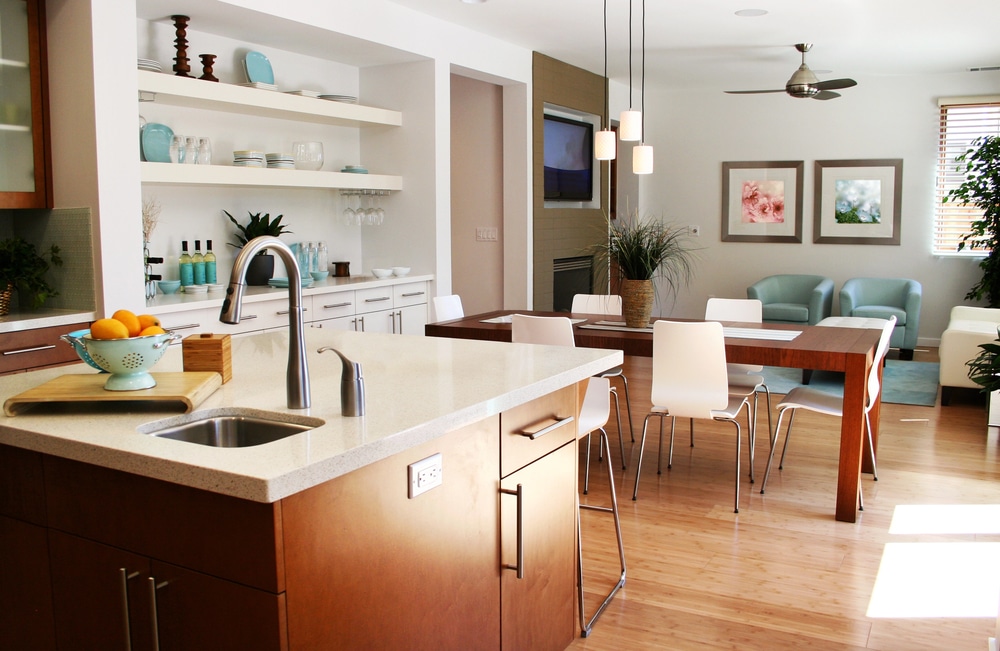
In the realm of 2026 interior design, the narrative has shifted from the ephemeral allure of "fast furniture" to a more profound, enduring philosophy: The Legacy Home. As we curate our living spaces, we are no longer just seeking aesthetics; we are seeking alignment with our values. This year, the eco-revolution is characterized by a "Quiet Luxury" that prioritizes carbon neutrality and heirloom quality over mass-produced trends.
01. The Artisanal Rug Revolution: Nordic Knots
Sustainable style begins from the ground up. In 2026, we are seeing a resurgence of high-tactile materiality where the floor becomes a canvas for environmental storytelling. Nordic Knots is leading this charge by blending Scandinavian minimalism with a rigorous zero-waste approach. By utilizing natural fibers like GOTS-certified wool and undyed jute, they eliminate the need for harsh chemical pigments that off-gas in your home.
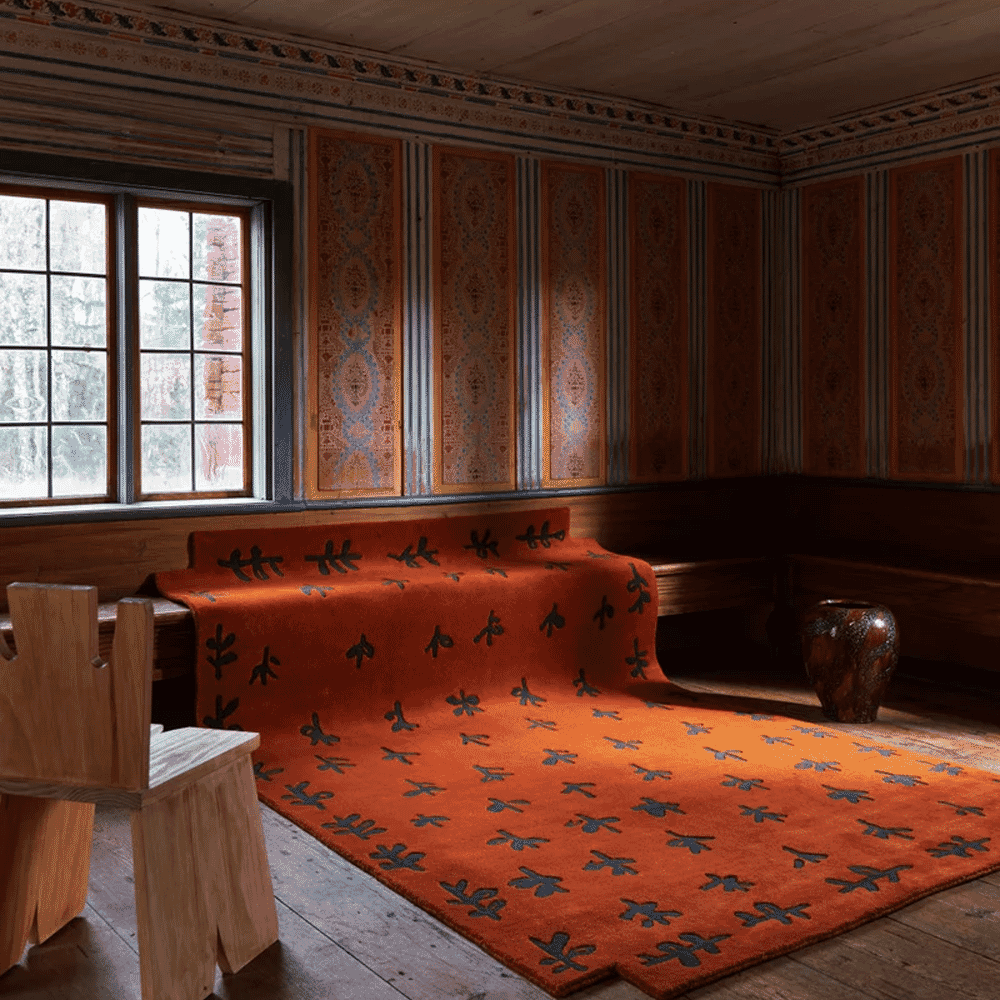
Style Insight: Notice how a single, vibrant textile can anchor a room filled with reclaimed wood. The "heritage weave" adds depth and warmth, proving that eco-consciousness doesn't mean sacrificing a bold, sophisticated palette.
- Eco-Certifications: GOTS-certified fibers, Fair Trade certified production.
02. The Circular Architects: Mater & Avocado
True circularity in 2026 is about more than just using recycled materials; it’s about the entire lifecycle of a piece. Brands like Mater and Avocado have mastered the "Buy-Back" model. They design furniture with the intent of reclaiming it decades later, refurbishing the materials for a new generation. Their use of FSC-certified wood ensures that every dining table or chair supports responsible forest management rather than deforestation.
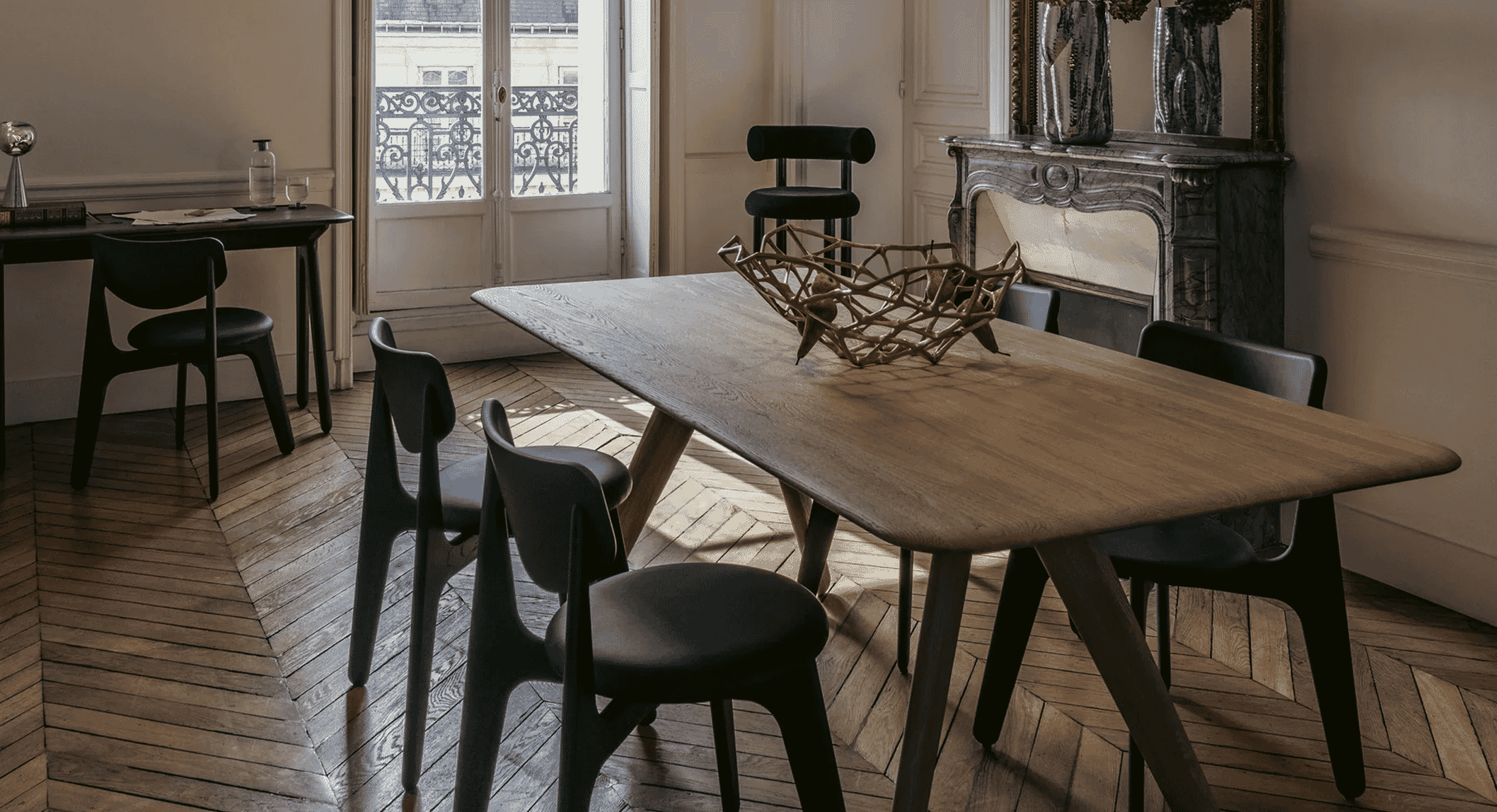
The Look: This aesthetic is "Biophilic Design" at its peak—clean lines, organic curves, and a seamless flow between indoor and outdoor elements. It’s an investment in your home’s health and the planet's longevity.
- Eco-Certifications: FSC (Forest Stewardship Council), Cradle to Cradle Certified®.
03. Modular Longevity: Sabai & Inside Weather
The most sustainable piece of furniture is the one you never have to replace. Sabai and Inside Weather have revolutionized the living room with modular systems designed to grow and evolve with you. By using fabrics derived from recycled water bottles and non-toxic, plant-based foams, these brands offer a guilt-free lounging experience. Every component is repairable; if a leg breaks or a cushion wears down, you replace the part, not the sofa.
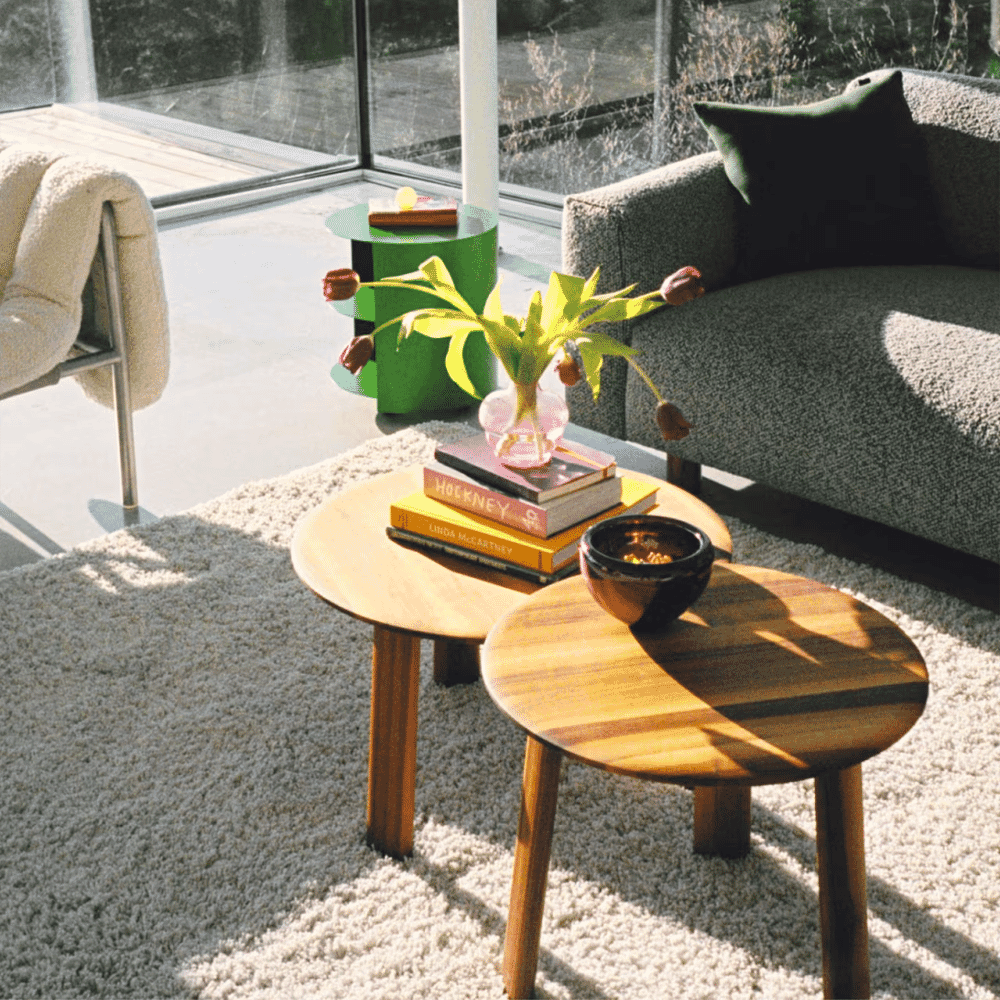
Styling Tip: Opt for neutral, textured upholstery. It provides a timeless foundation that can be updated with seasonal, artisanal cushions rather than replacing the entire unit as trends shift.
- Eco-Certifications: B Corp Status, Oeko-Tex Standard 100 fabrics.
04. Reclaimed Industrialism: Tom Dixon & nkuku
2026 is the year we embrace the "perfectly imperfect." Reclaimed industrialism focuses on hand-forged metals and timber salvaged from old structures. Designers like Tom Dixon and nkuku are proving that high-concept statement pieces can be born from the circular economy. These metallic accents add a necessary edge to the soft, biophilic home, providing a contrast that feels both modern and grounded.
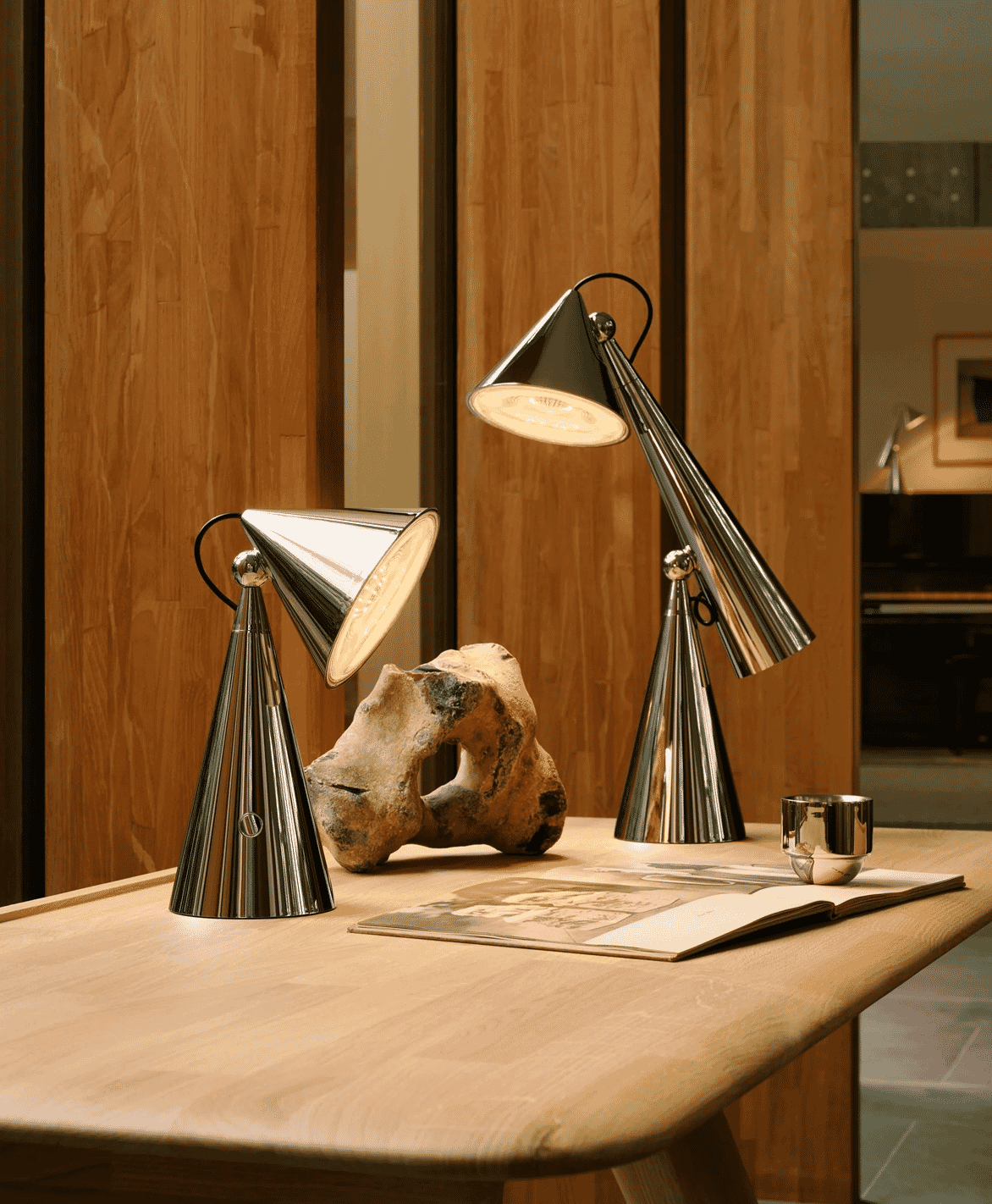
The Aesthetic: Look for hand-finished surfaces where the artisan’s touch is visible. These pieces are non-toxic, avoiding the heavy metal plating processes common in budget homeware.
- Eco-Certifications: Carbon Neutral Certified, Artisanal Small-Batch production.
05. The Minimalist Sanctuary: Thuma & Maiden Home
In the bedroom, sustainability is synonymous with wellness. Thuma and Maiden Home emphasize a "Sanctuary" vibe, focusing on GREENGUARD Gold certifications. This means their furniture meets some of the world's most rigorous third-party chemical emissions standards, helping to reduce indoor air pollution. By utilizing Japanese joinery techniques, they eliminate the need for metal hardware or toxic glues.
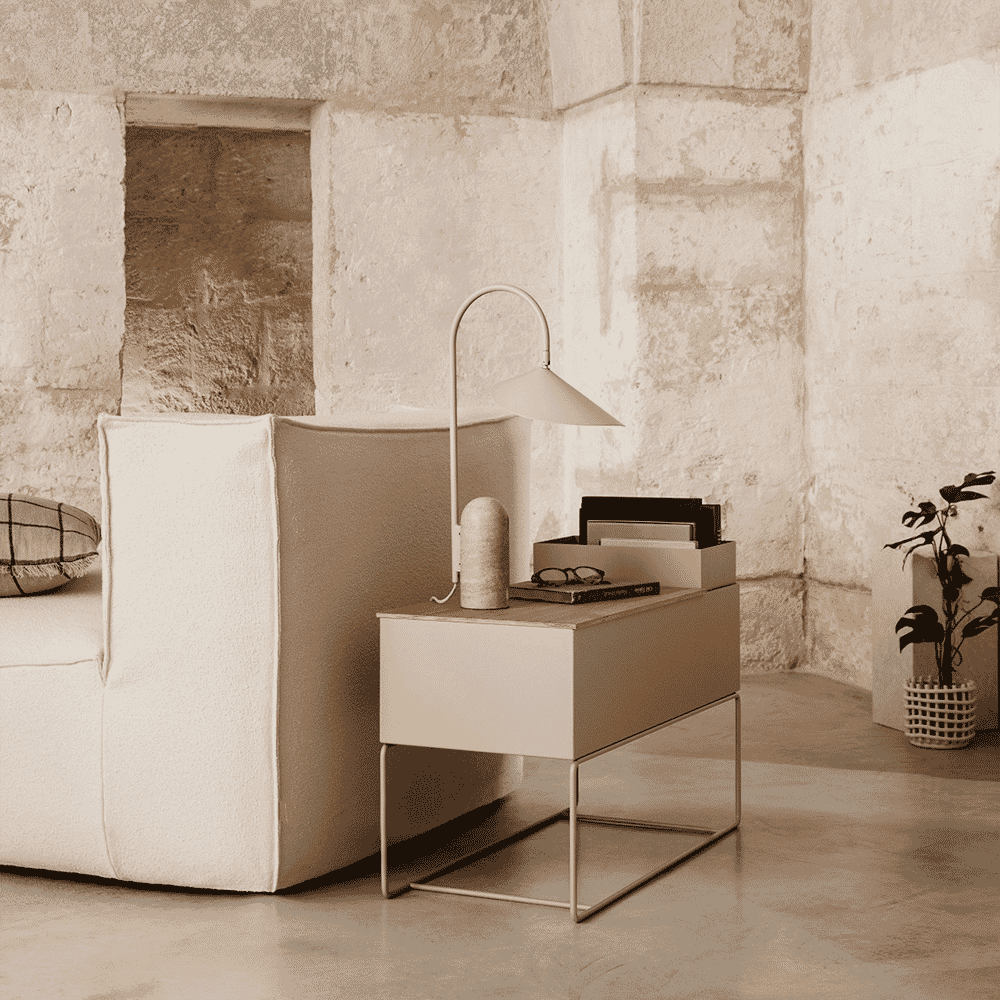
The Feel: This is the ultimate "No-VOC" (Volatile Organic Compounds) lifestyle. The result is a monochrome, serene environment that promotes better sleep and respiratory health through natural, breathable materials.
- Eco-Certifications: GREENGUARD Gold, CertiPUR-US® foams.
06. The Small-Batch Movement: Etsy Reclaimed & The Citizenry
The final pillar of the 2026 revolution is localization. By supporting independent artisans via platforms like Etsy Reclaimed or curated collectives like The Citizenry, you significantly reduce shipping emissions. Small-batch production ensures that furniture isn't sitting in a warehouse; it is made to order, often using locally sourced, salvaged materials that carry the soul of the region.
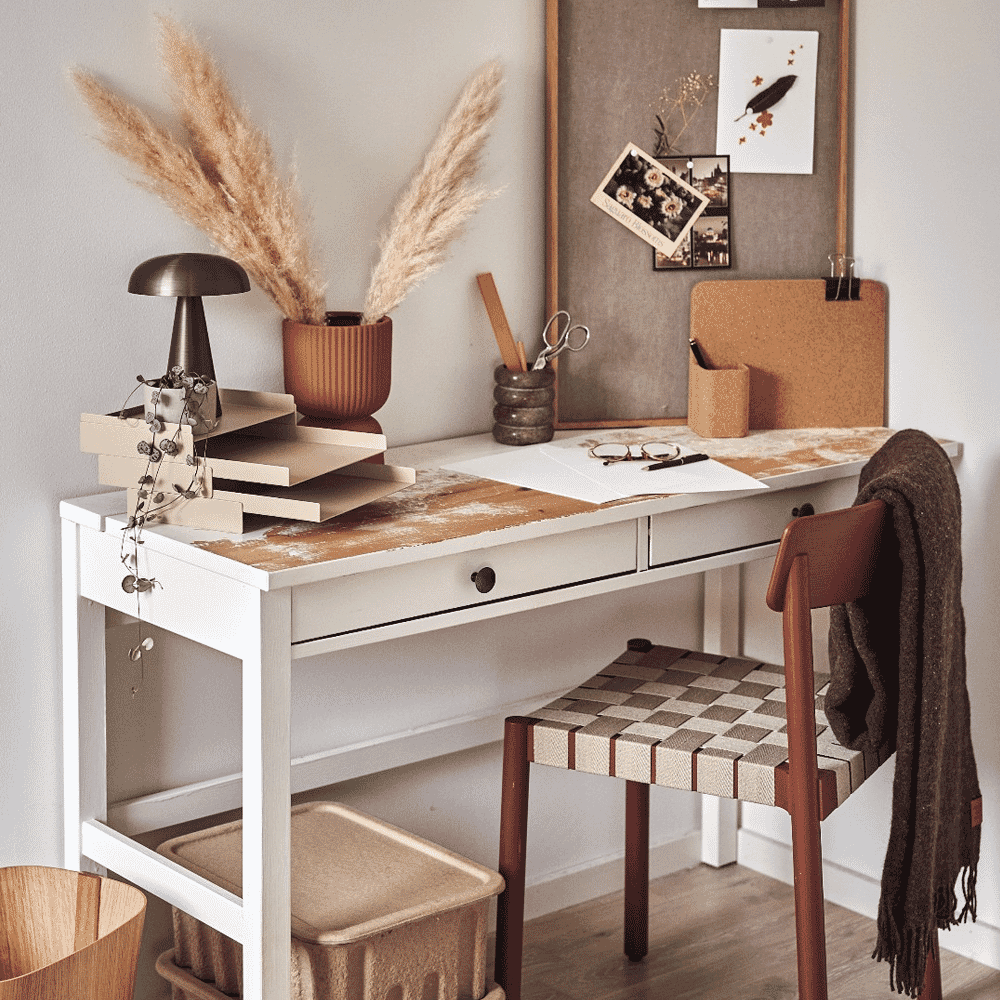
Design Note: A cozy home office benefits immensely from these unique, textured pieces. They break the monotony of corporate minimalism, adding a "human" element to your professional space.
- Eco-Certifications: WFTO (World Fair Trade Organization), Localized Sourcing.
As we move further into 2026, remember that your home is a reflection of your worldview. By choosing pieces that respect the circular economy and prioritize non-toxic materiality, you aren't just styling a room—you are investing in a greener, more conscious future.