To step into Seoul is to enter a masterclass in temporal layering. As an editor accustomed to the heritage houses of Paris and the avant-garde spirit of London, I find Seoul’s ability to weave 14th-century quietude into a 22nd-century skyline utterly peerless. It is a city of "Contrasts in Harmony"—a place where the patina of weathered timber meets the surgical precision of glass and steel. For the design-conscious traveler, 24 hours here isn't just a layover; it is an immersive study in how a metropolis can honor its soul while relentlessly chasing the future.
The Pulse of Old and New
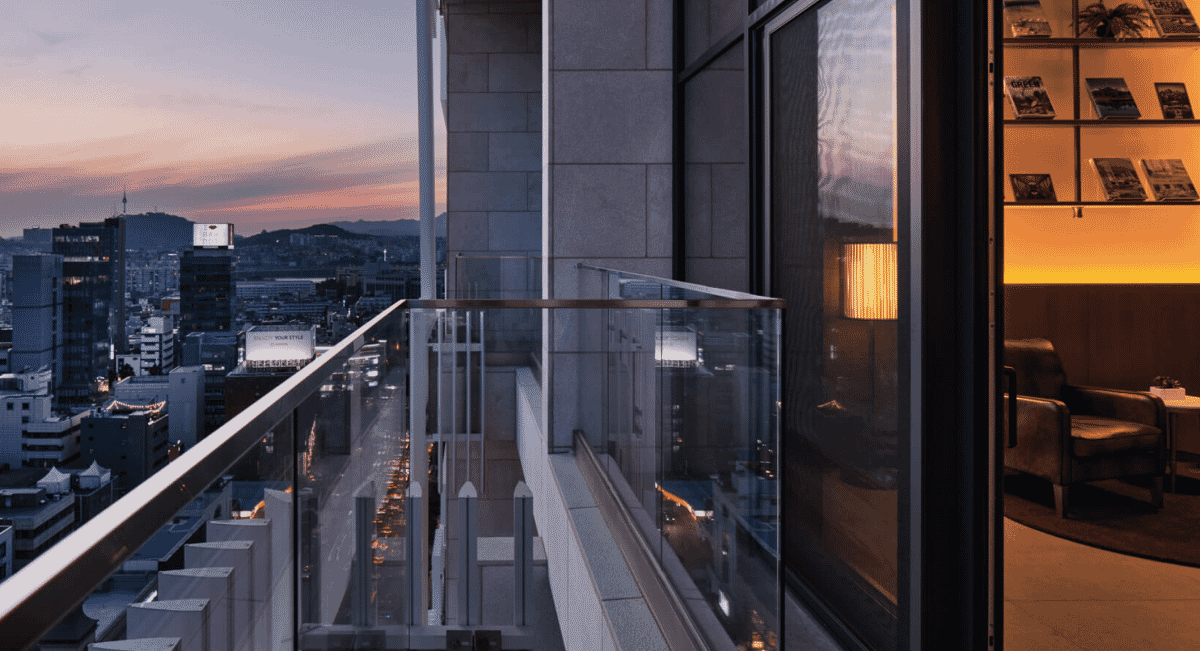
The Seoul journey begins at the intersection of light and shadow. As dusk settles over the Han River, the city transforms into a luminous grid of innovation. Here, the architectural vernacular is one of ambition—soaring glass towers that reflect a sky-high standard of living and a deep-seated love for tech-driven aesthetics. To understand Seoul, one must first appreciate this macro-view: a high-octane urbanism that serves as the backdrop for the intimate, traditional moments found within its hidden alleyways.
08:00 AM | Morning Stillness in Bukchon
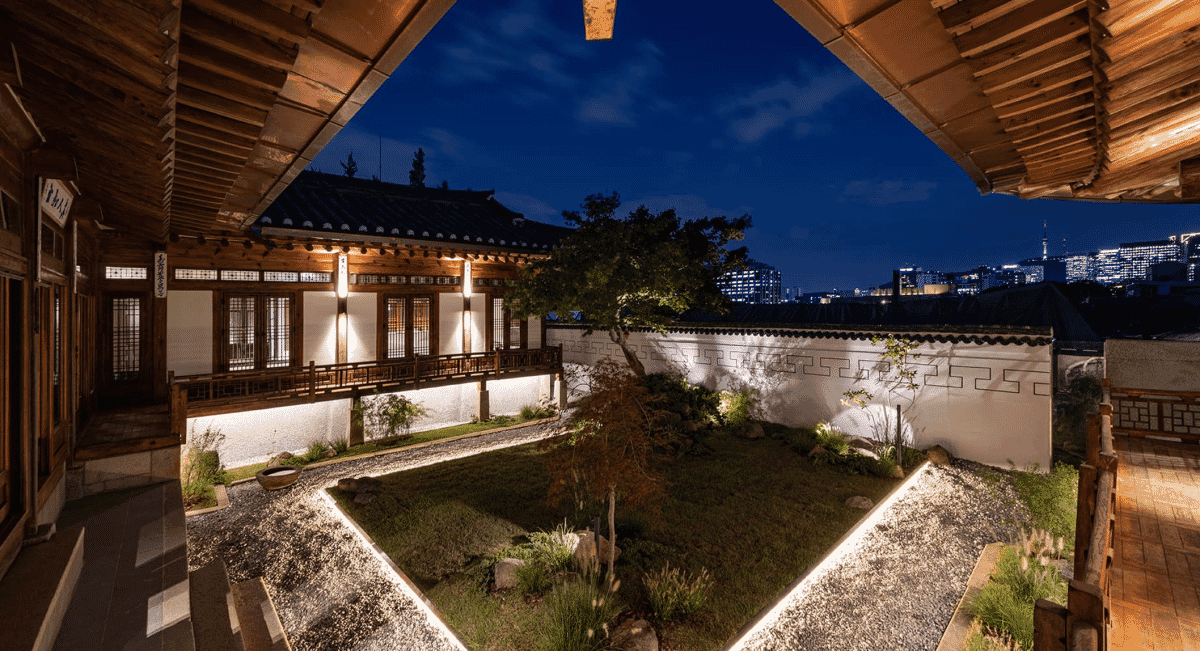
Start your day in the historic heart of the city before the rush of the modern world intervenes. Bukchon Hanok Village is a living museum, where the Joseon-era architecture remains meticulously preserved. Notice the giwa (tiled roofs) and the rhythmic patterns of the stone walls—a masterclass in vernacular design that prioritizes natural materials and environmental harmony. Walking these hills at dawn, you experience a "silence with a pulse." It is an essential reminder that Seoul’s ultra-modernity is built upon a foundation of deep-rooted heritage and artisanal craftsmanship that has spanned centuries.
10:00 AM | Industrial-Chic Breakfast in Seongsu
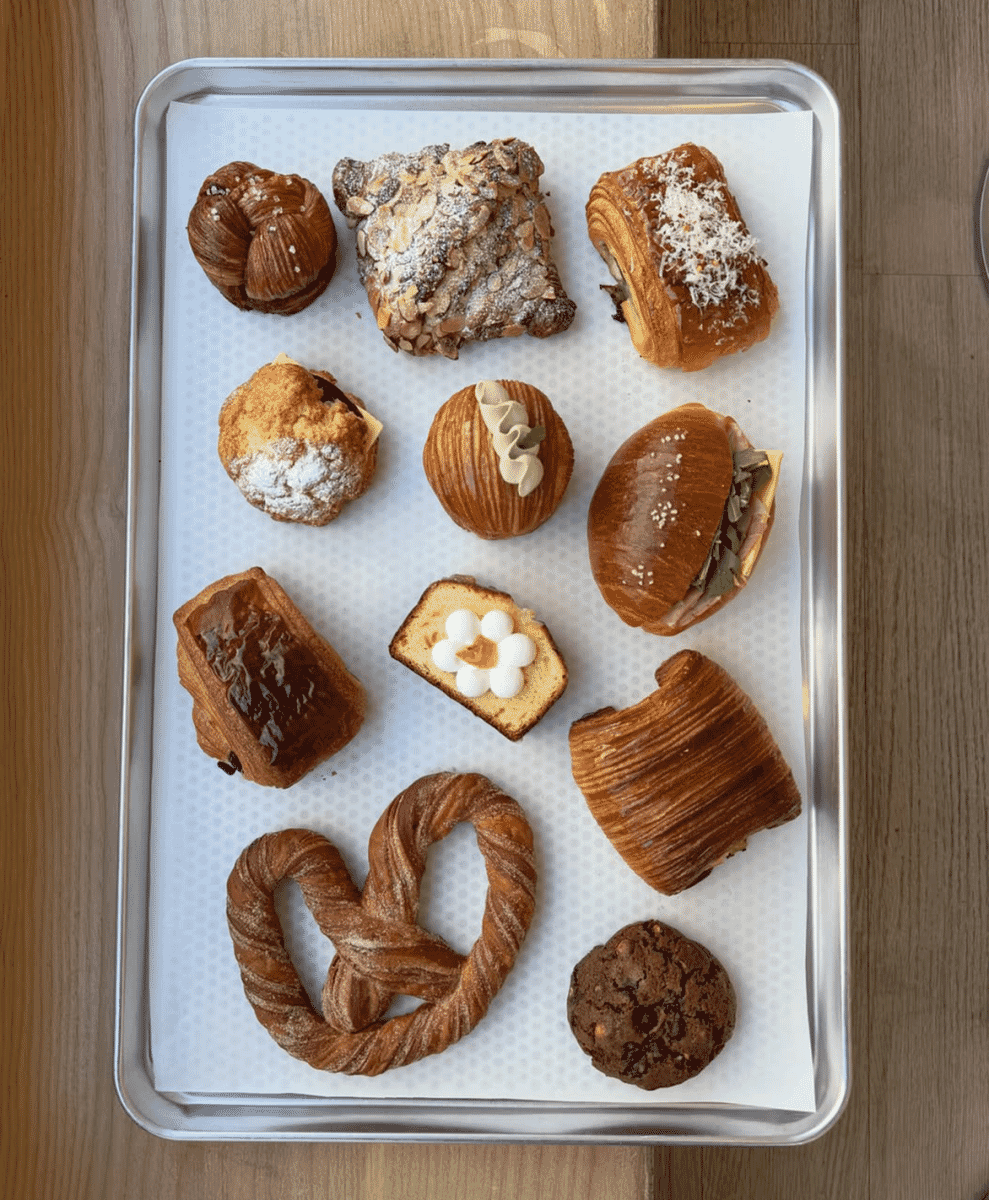
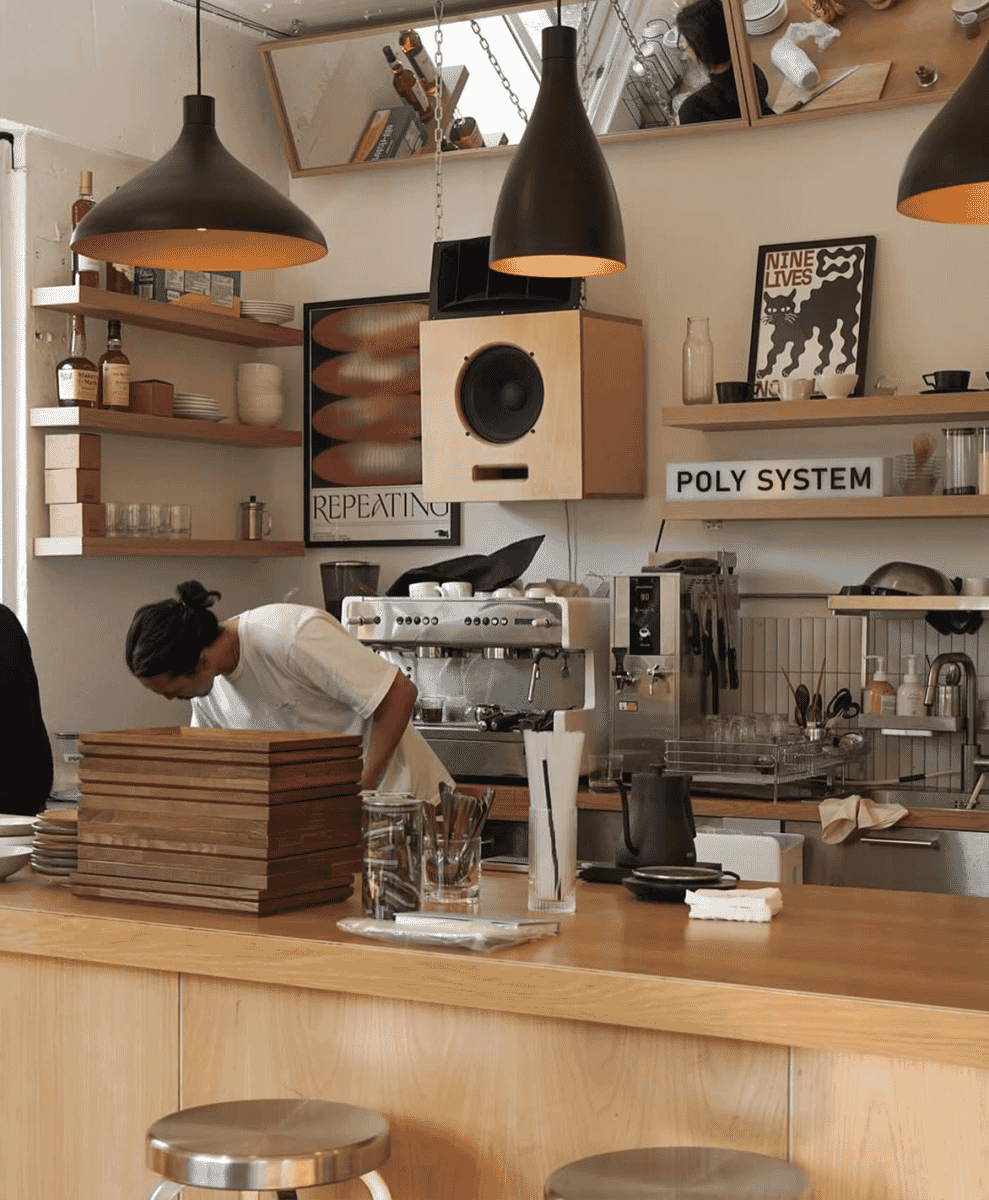
From the ancient, we move to the repurposed. Seongsu-dong, often dubbed the "Brooklyn of Seoul," is where the city’s creative class has turned old shoe factories and warehouses into temples of caffeine and pastry. The aesthetic here is "Industrial-Chic": raw concrete, exposed brickwork, and warm timber accents.
In these spaces, minimalism isn't merely a trend—it’s a philosophy. Whether you’re observing a barista’s surgical precision during a pour-over service or admiring the sculptural lamination of a croissant, the focus is on the craft. This is the new Seoul luxury: the elevation of daily rituals into art forms within spaces that celebrate their gritty, storied past.
01:00 PM | High-Concept Retail in Apgujeong
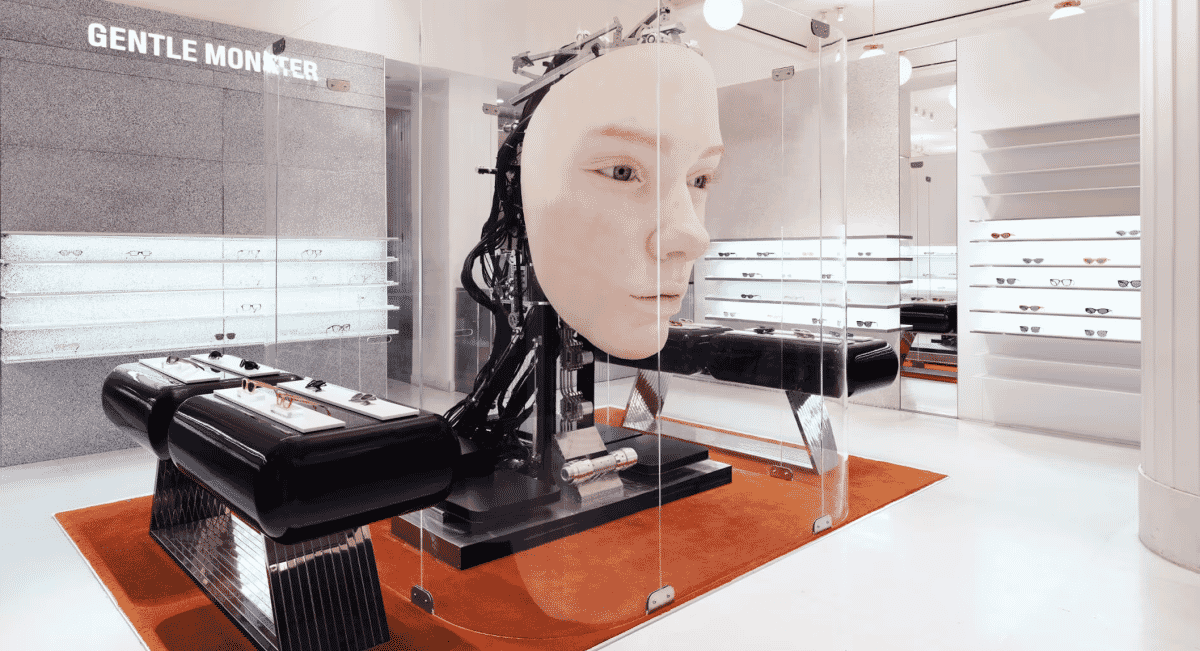
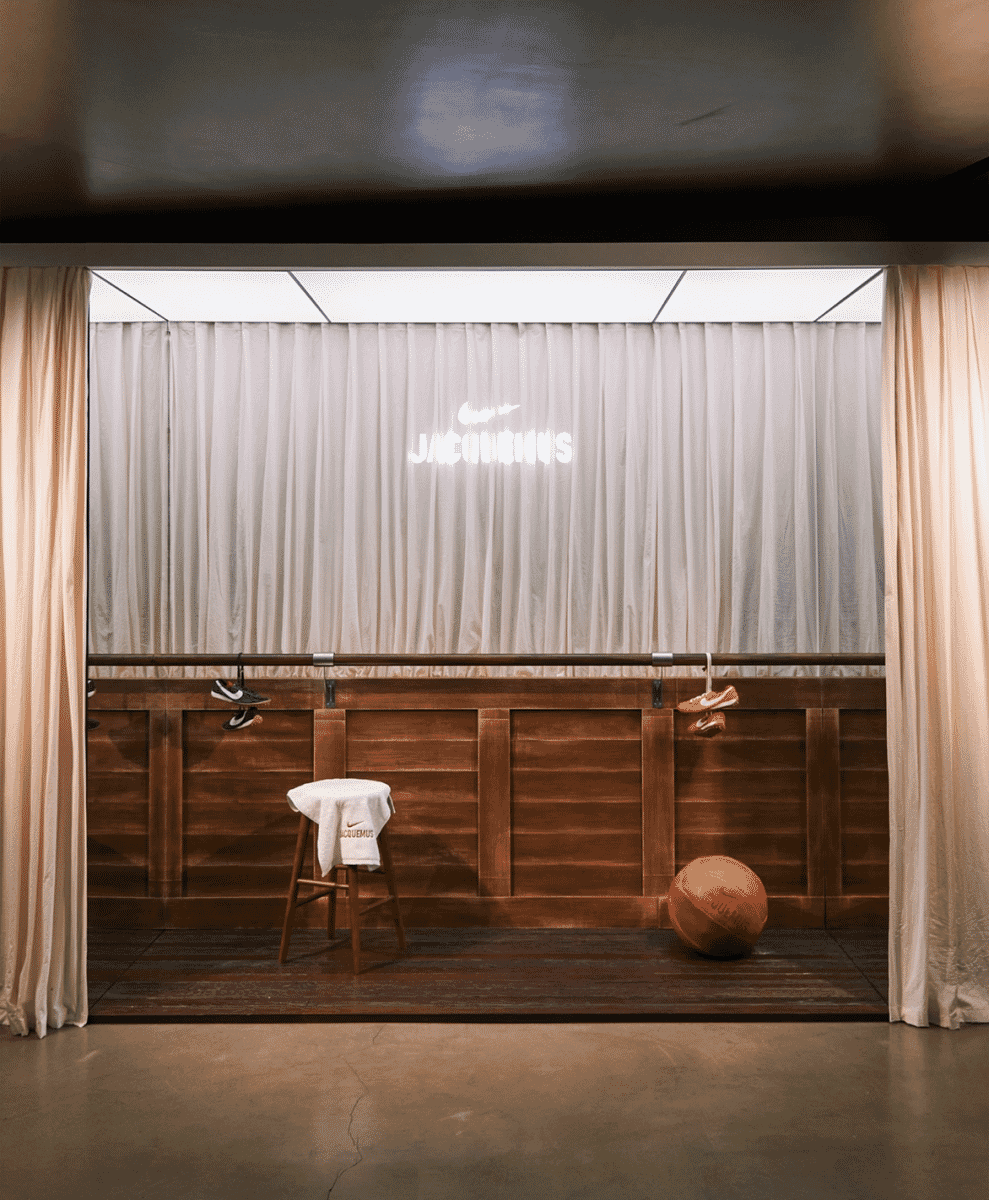
By midday, cross the river to Apgujeong, the epicenter of Seoul’s retail revolution. Here, shopping is no longer transactional; it is experiential. The Gentle Monster flagship stores are prime examples, where kinetic sculptures and avant-garde installations blur the line between a boutique and a contemporary art gallery.
The local obsession with high-fashion collaborations—take the Nike x Jacquemus pop-ups, for instance—reflects a consumer base that values exclusivity and hyper-curated aesthetics. In these glass towers, the interior design is as much an investment as the pieces on the racks. It’s a retail landscape that demands your full attention, blending high-tech displays with high-fashion sensibility.
03:30 PM | Architectural Mastery at the Leeum
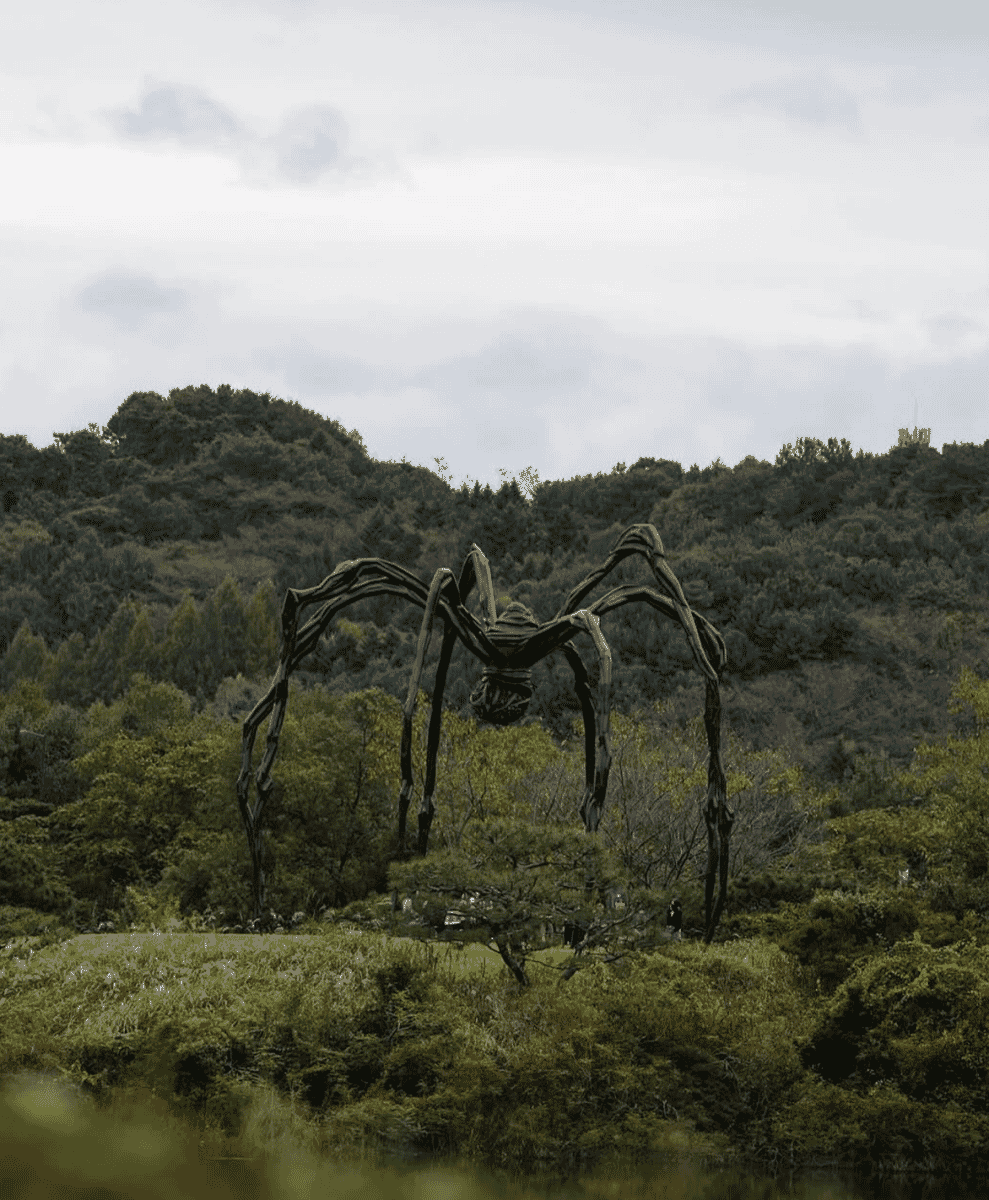
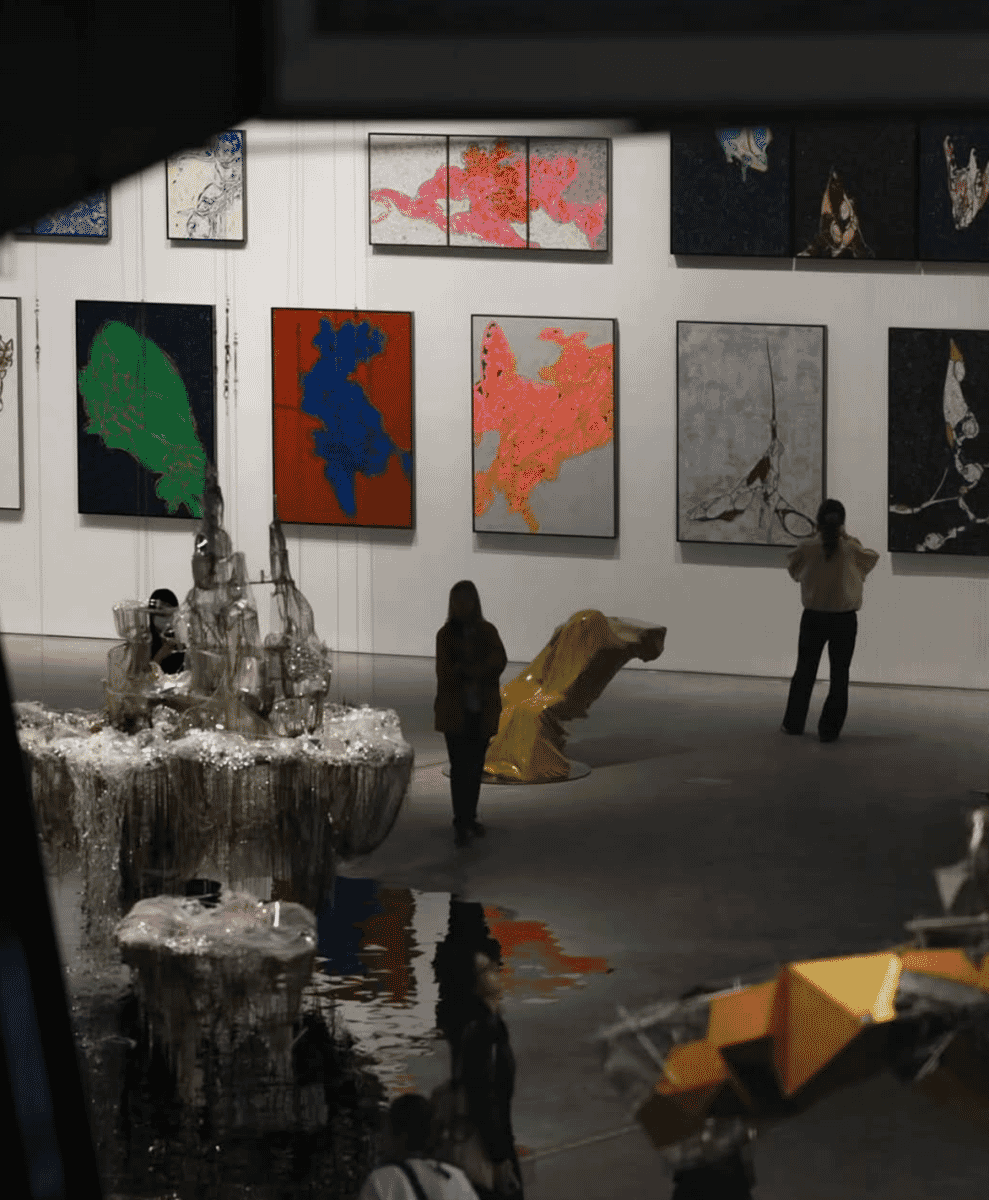
A visit to the Leeum Museum of Art in Hannam-dong is non-negotiable for any design enthusiast. The campus itself is a landmark of architectural mastery, featuring buildings designed by Pritzker winners Mario Botta, Jean Nouvel, and Rem Koolhaas.
Outside, the towering 'Maman' spider by Louise Bourgeois serves as a metallic guardian against the backdrop of the city’s rolling hills. Inside, the curation is a sophisticated dialogue between traditional Korean ceramics and international contemporary masterpieces. The museum’s use of light and negative space reflects the "Modern Korean Sensibility"—a design language that is both bold in its geometry and restrained in its execution.
07:00 PM | Modern Dining & Gastronomy
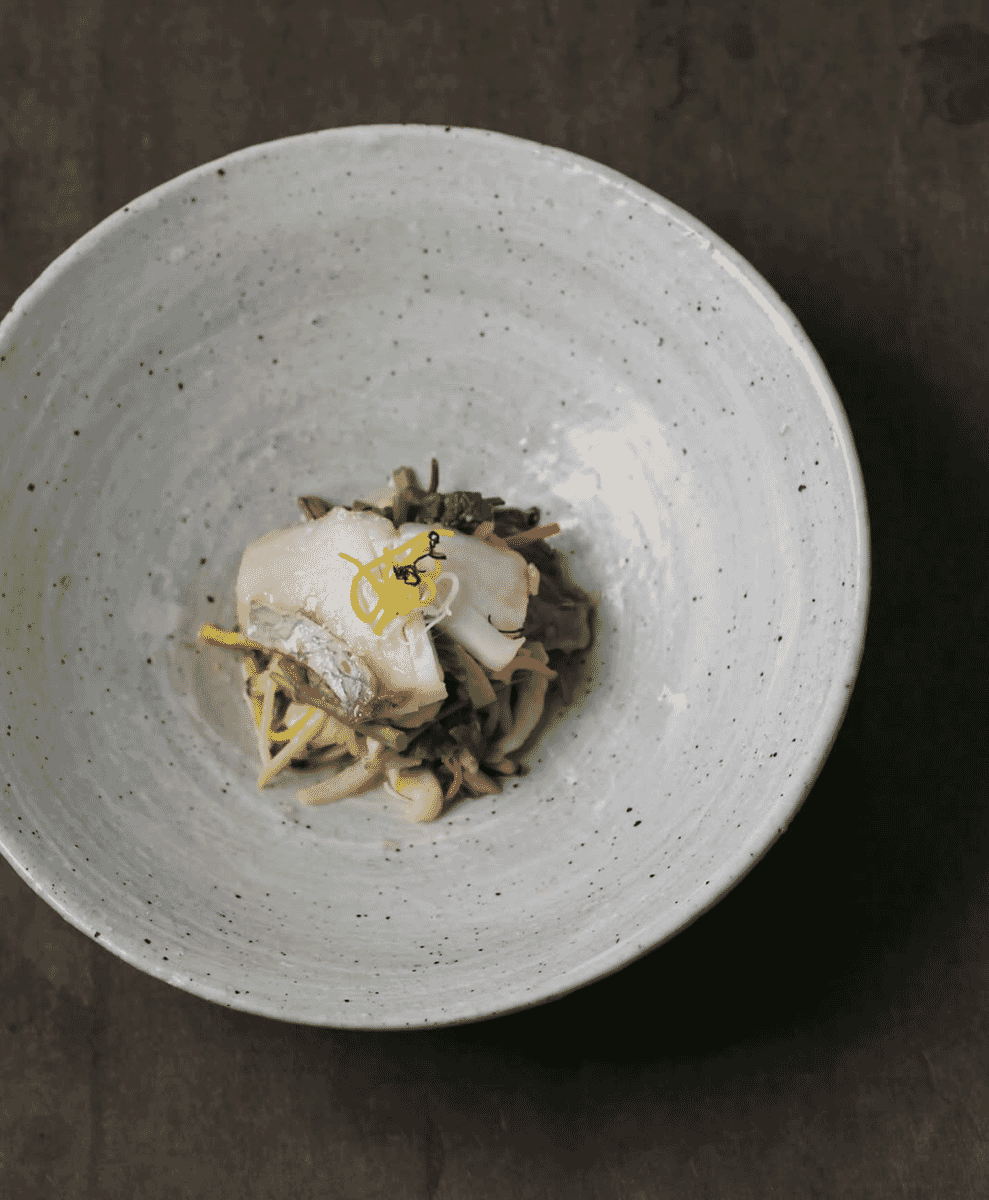
As evening falls, the focus shifts to the plate. Modern Seoul gastronomy is defined by a deep respect for seasonal ingredients served with a minimalist, high-design edge. In neighborhoods like Itaewon or Hannam-dong, dinner is a sensory experience where the ceramic vessel is just as important as the aged fish or fermented delicacies it holds. This "New Korean" cuisine bridges the gap between the humble flavors of the past and the refined presentation expected by a global palate. It is an edible manifestation of the city’s 50/50 split between history and innovation.
10:00 PM | Vinyl Beats and Underground Culture
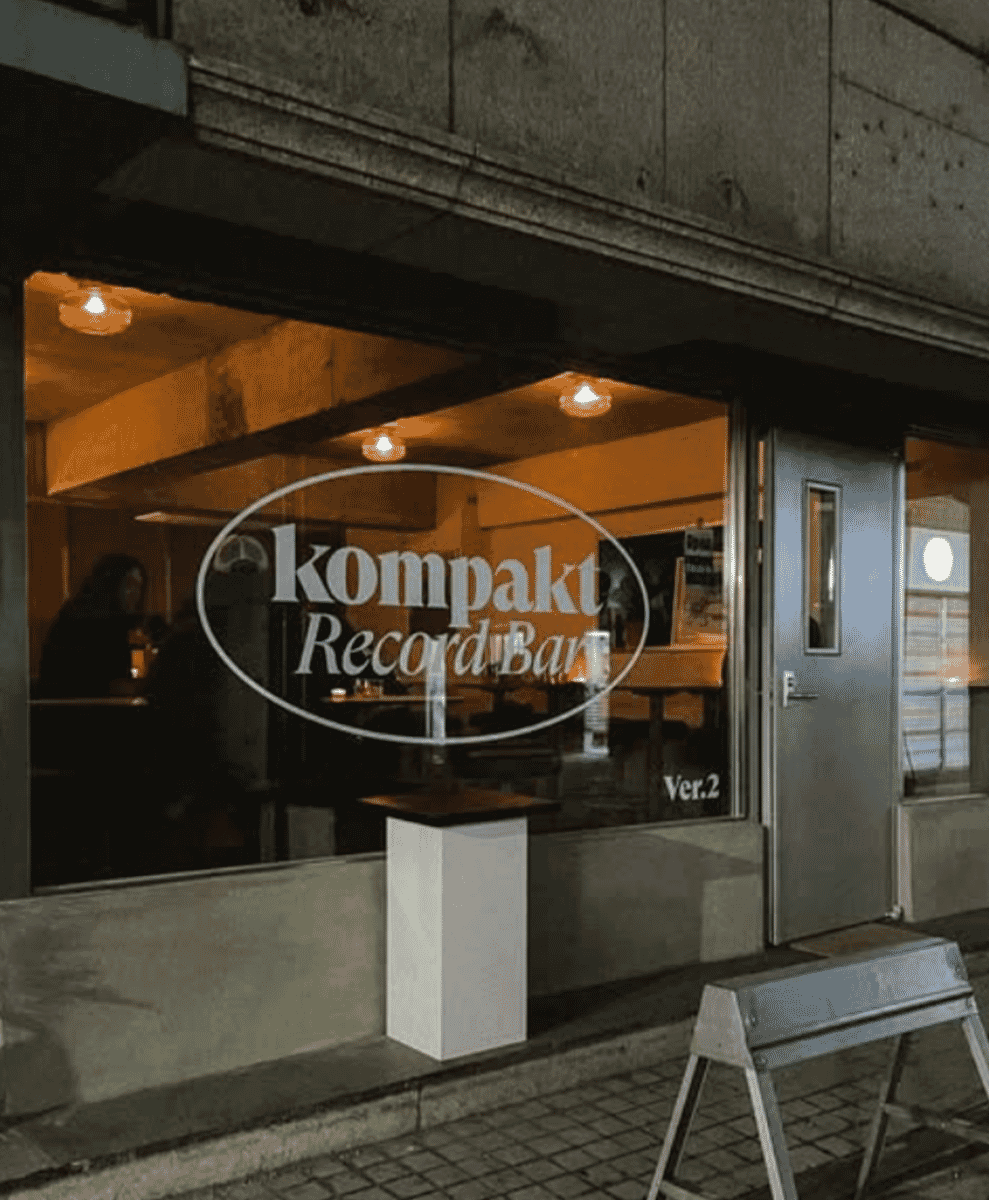
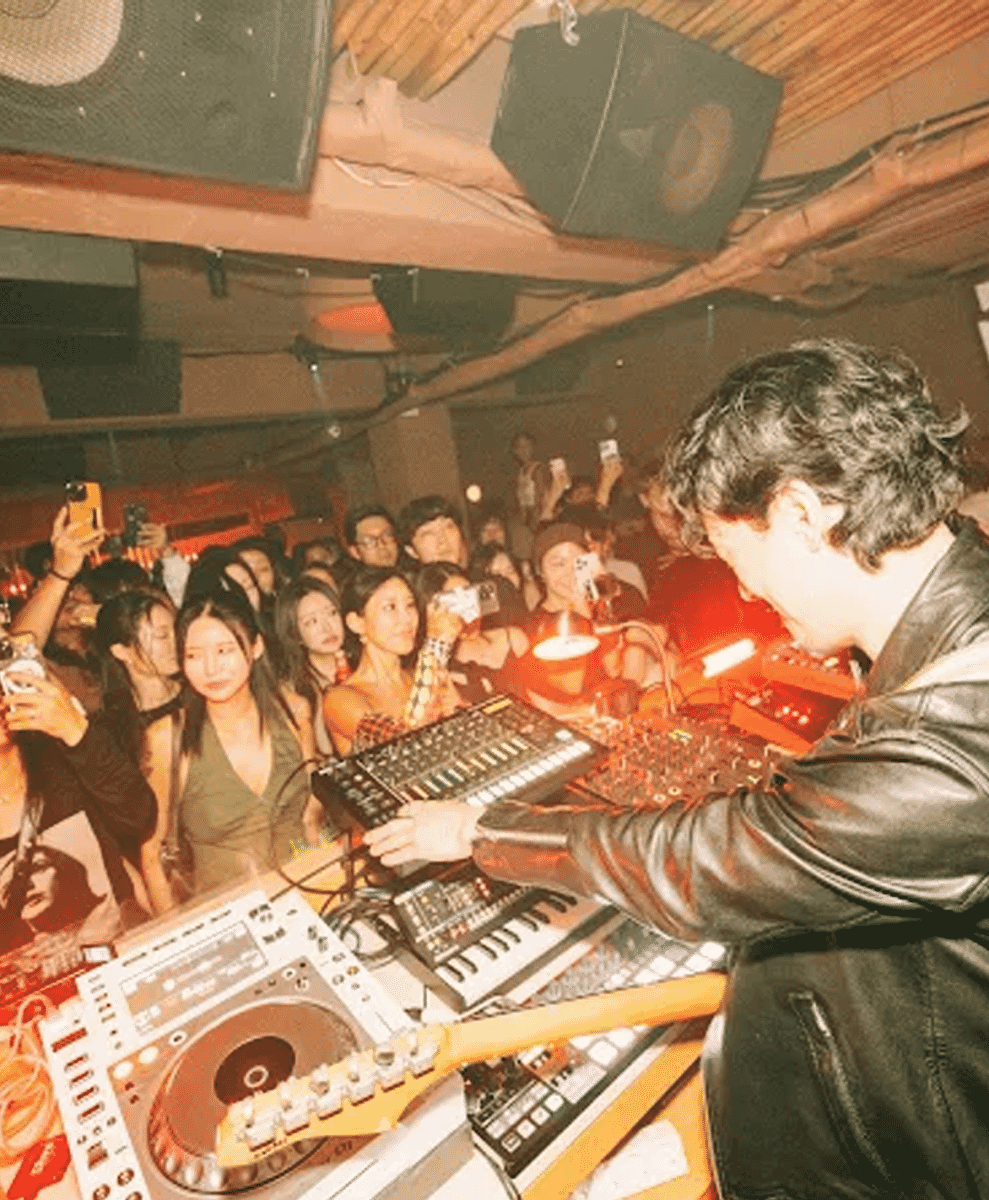
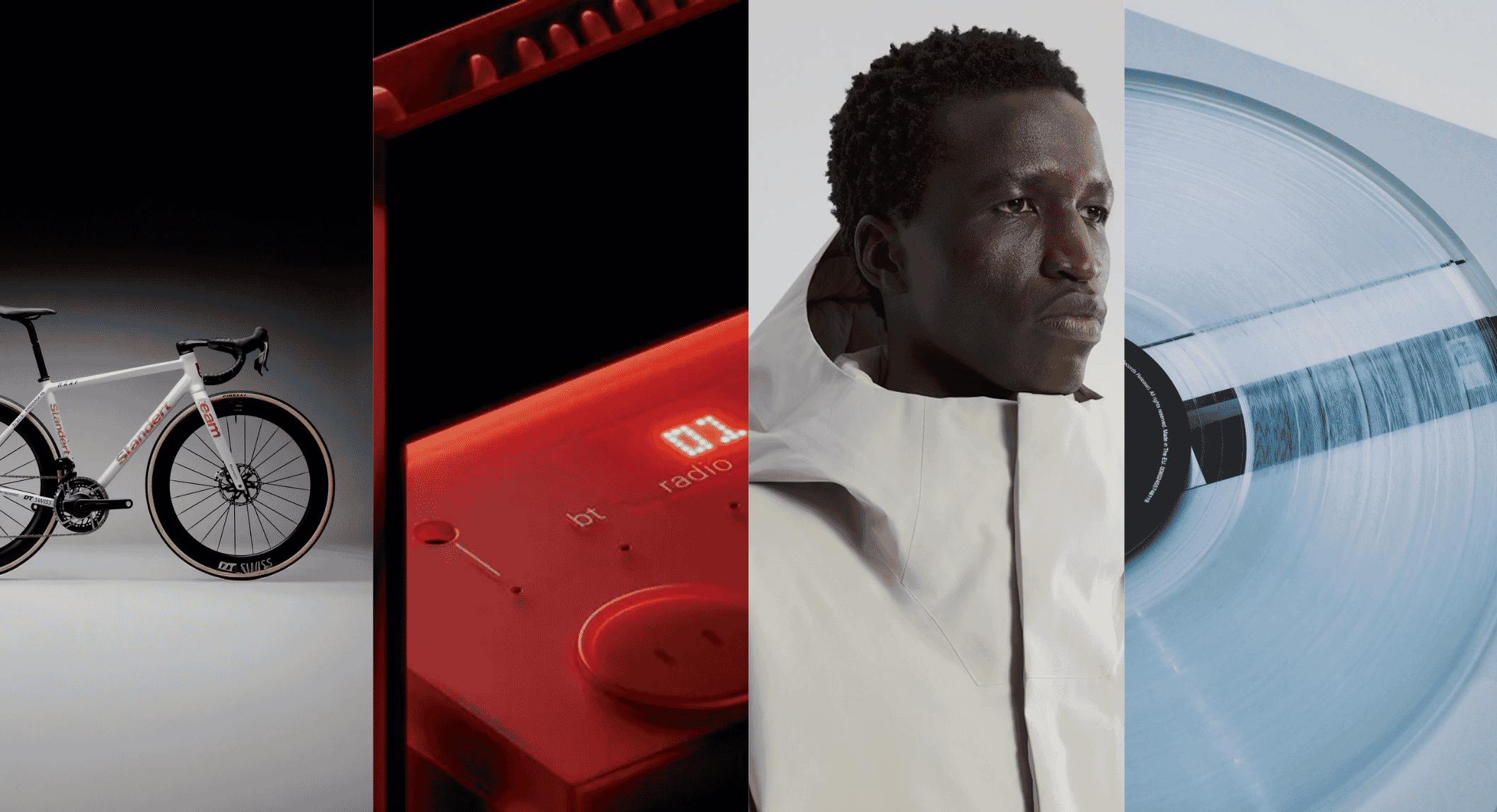
End your night where design meets the underground. Seoul has seen a massive resurgence in vinyl culture, with "listening bars" like Kompakt Record Bar providing an intimate, curated alternative to the high-energy club scene. These spaces are often tucked away in brutalist basements or behind inconspicuous doors, bathed in moody neon or warm red light.
The focus here is on analog warmth and tactile design. It is where the city’s subcultures collide—fashion designers, DJs, and architects gathering over curated playlists and high-fidelity sound systems. It is the perfect finale to a day of sensory exploration: a reminder that even in a city of high-tech glass towers, the most profound experiences often happen in the most intimate, curated spaces.
24 Hours Later
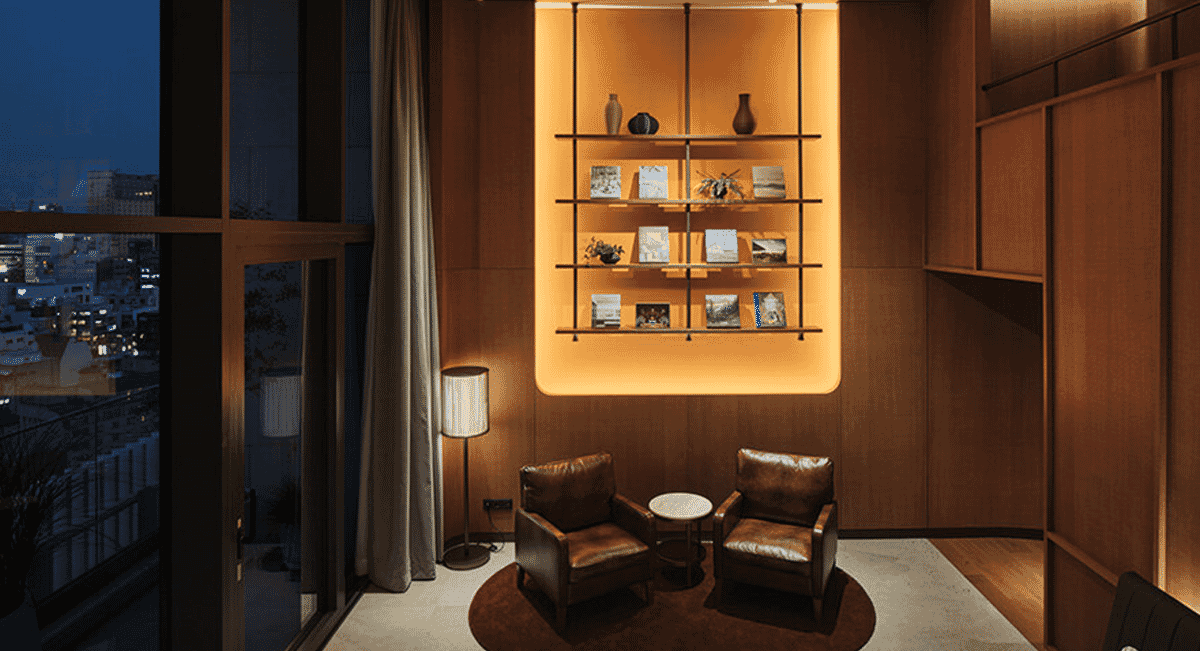
Retiring to a space that overlooks the midnight skyline, the duality of Seoul becomes clear. It is a city that refuses to choose between its heritage and its future, finding its true identity in the friction between the two. For those who value craftsmanship, architectural integrity, and the thrill of the "new," Seoul is not just a destination for 2026—it is the blueprint for the modern urban experience.