If you’ve spent any time in the city recently, you’ve likely noticed a distinct shift beneath the hem of well-tailored trousers. The heavy, ankle-swallowing hiking boots of the previous "Gorpcore" era are being replaced by something sleeker, faster, and infinitely more practical: the low-hiker. This isn't just a fleeting footwear fad; it’s a fundamental recalibration of the modern man’s wardrobe toward utility that doesn't sacrifice agility.
The 2026 Shift: Why Low-Hikers Are Taking Over
The data doesn’t lie—consumer interest in technical low-top footwear has surged by 45% heading into 2026. Why? Because the modern lifestyle demands a "do-it-all" solution. We are moving between climate-controlled offices, rain-slicked train platforms, and weekend trailheads without wanting to change our shoes. The low-hiker offers the structural integrity and high-traction outsoles of a mountain boot but with the weight and mobility of a sneaker. It’s the ultimate hybrid for a generation that values "readiness" as a style aesthetic.
The Performance Icons: Salomon & Danner
When we talk about the gold standard of technical footwear making the leap to the runway, we have to start with the architects of the movement. These brands haven't watered down their tech for fashion; they’ve simply realized that their performance features—like high stack heights and aggressive lugs—are exactly what urban explorers are looking for.
The Salomon X Ultra 5 GTX is the pinnacle of this "Trail to Runway" evolution. Featuring a GORE-TEX waterproof membrane and a Quicklace™ system, it’s designed for rapid movement. For a sharp urban look, pair these with wide-leg technical trousers and a crisp mac coat. The aggressive silhouette provides a heavy visual anchor to a relaxed outfit.
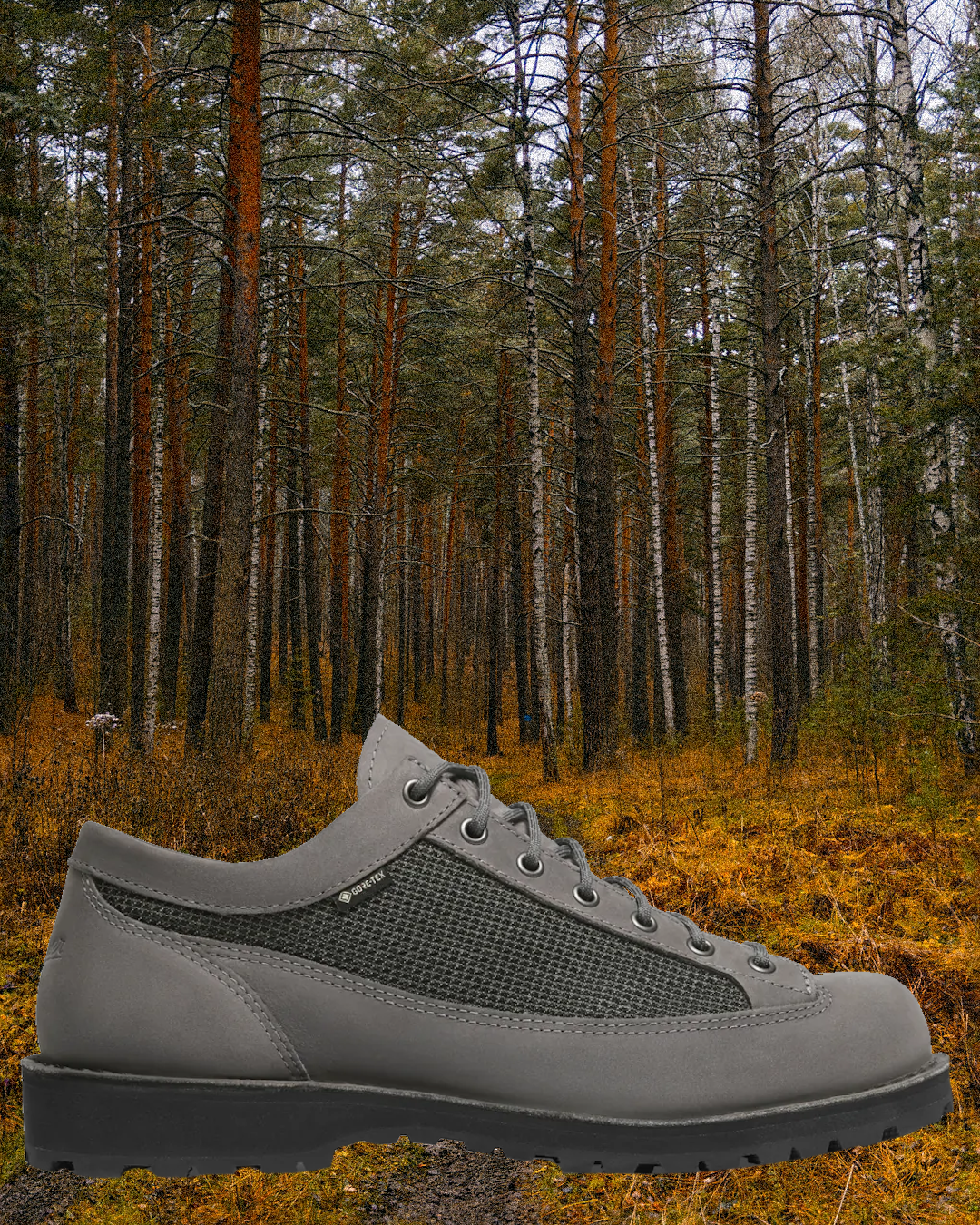
On the other end of the spectrum is the Danner Field Low. This is for the man who respects heritage but wants to shed the weight. It utilizes a classic leather and nylon upper but cuts it at the ankle for better range of motion. It looks best with raw denim or heavy corduroy—perfect for a Saturday morning that starts at a coffee shop and ends on a muddy park path.
The High-Fashion Pivot: Diemme & Paraboot
As the trend matures, we’re seeing a "luxury hiker" sub-category emerge. This is where high-fashion craftsmanship meets the rugged silhouettes of approach shoes. These aren't just shoes for the woods; they are statement pieces for the gallery or the boardroom.
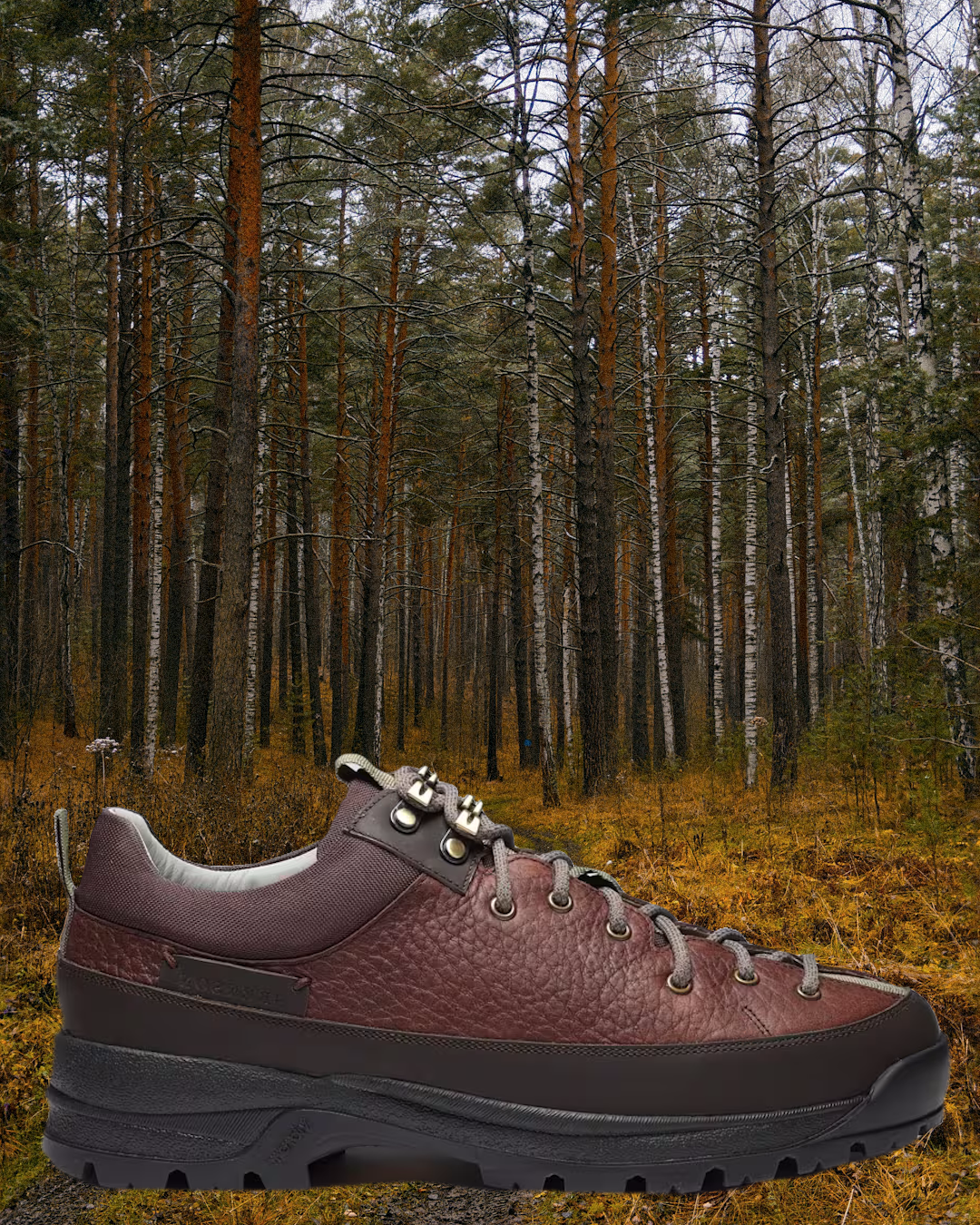
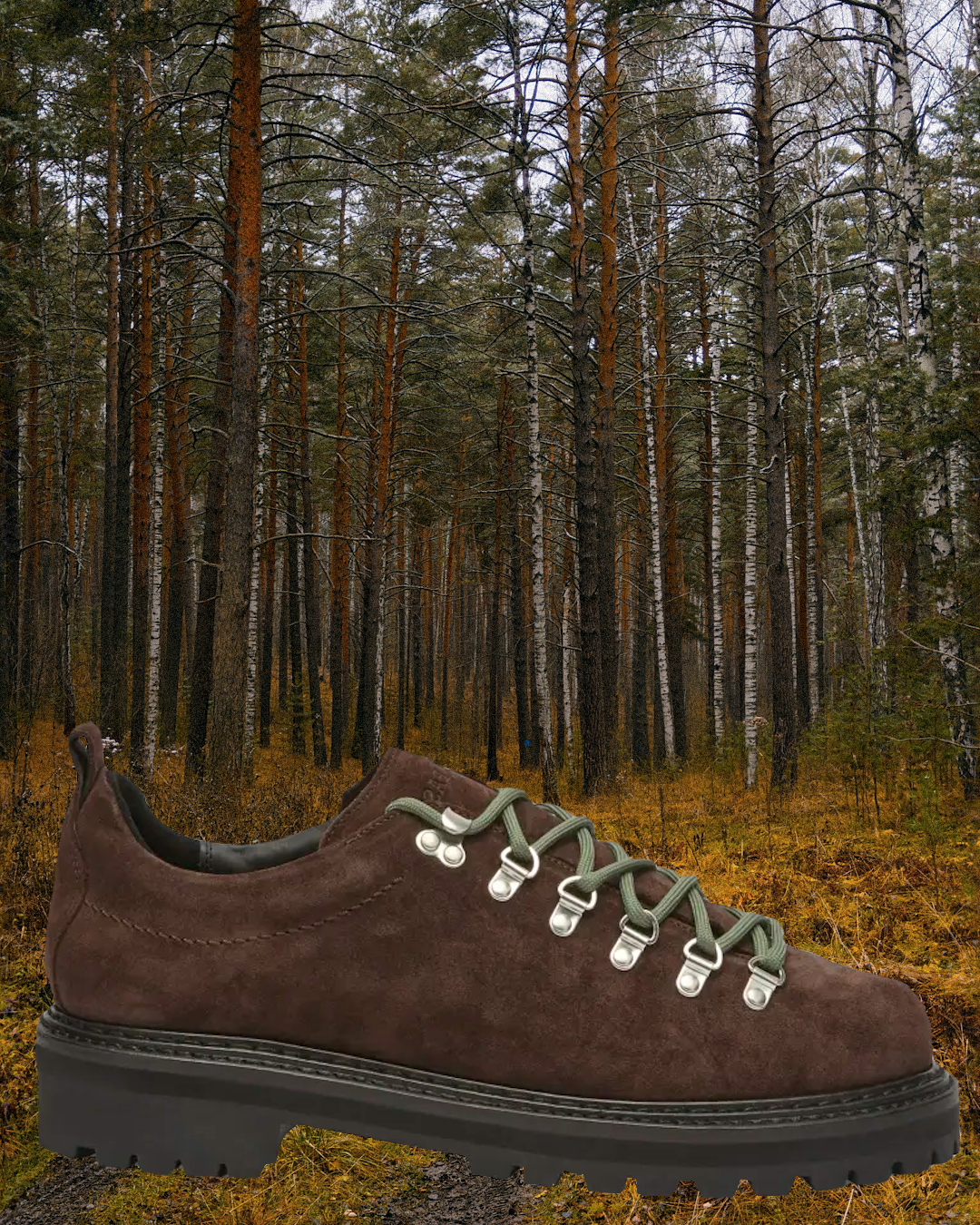
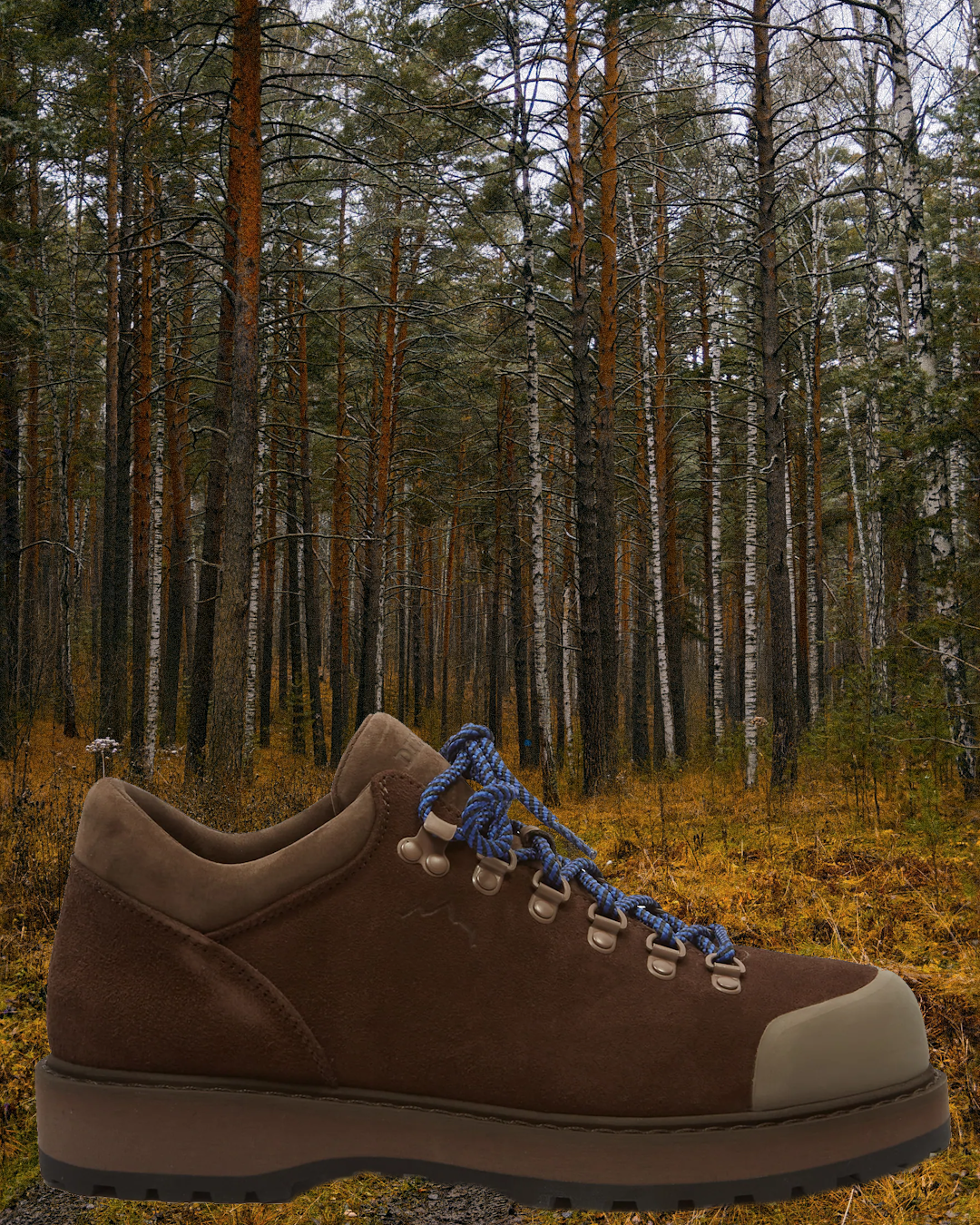
The Diemme Cornaro is a masterclass in Italian manufacturing. By taking the classic mountain approach shoe and rendering it in premium suedes and leathers, Diemme has created a shoe that feels at home under a deconstructed suit. The wrap-around rubber rand adds durability and that essential "outdoors" edge while maintaining a sophisticated profile.
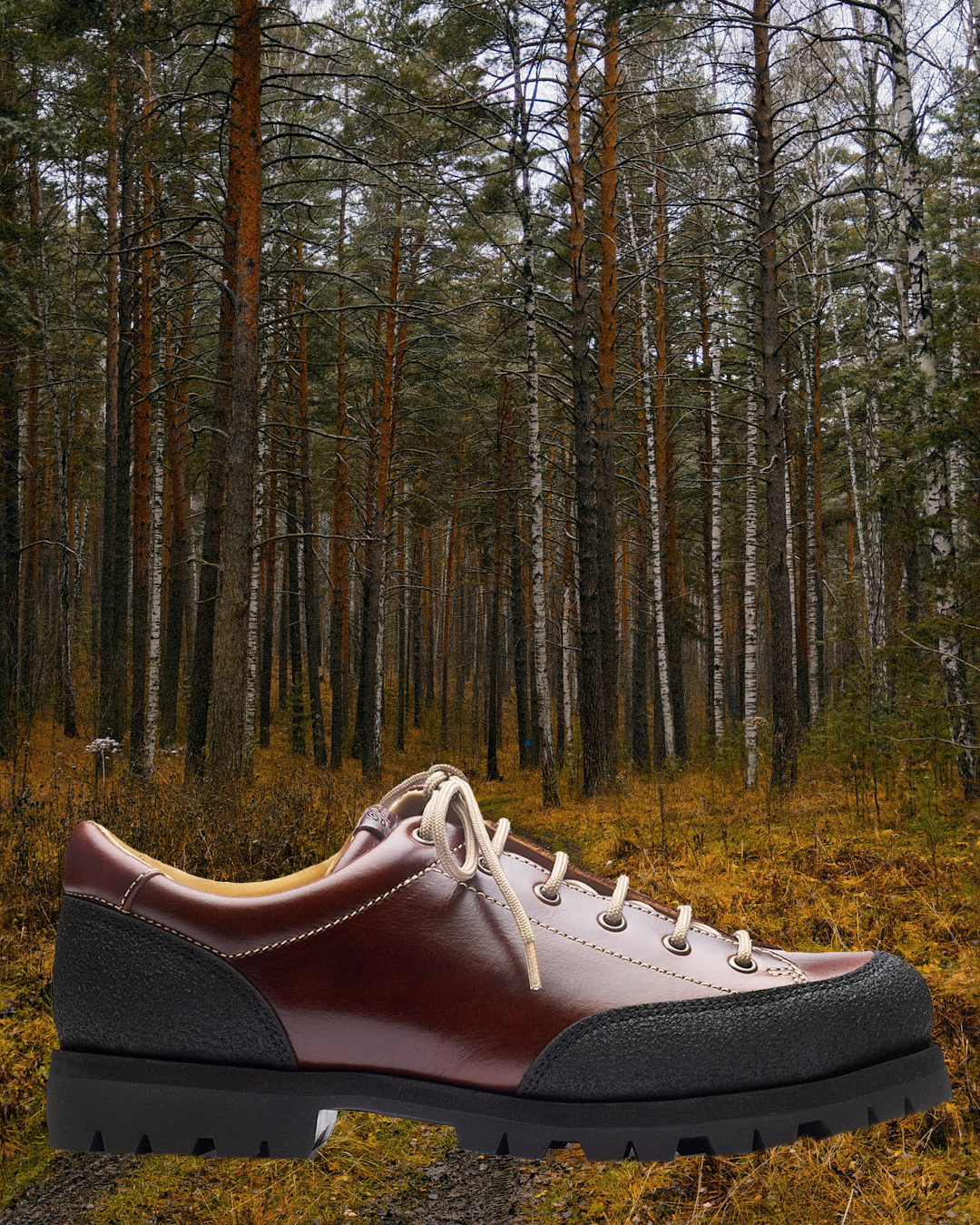
Similarly, Paraboot’s Montana brings a refined, almost archival feel to the low-hiker trend. It’s less about "tech" and more about "tenacity." The build quality is legendary, making it a reliable choice for men who want the Gorpcore look without looking like they’re about to summit Everest. Style these with a pair of cropped wool trousers to let the craftsmanship of the shoe take center stage.
The Wildcard: Merrell 1TRL Wilderness
If the earth-toned "Beef and Broccoli" palette feels too safe, 2026 is introducing "mad" textures and vibrant pops of color to the trail-to-pavement pipeline.
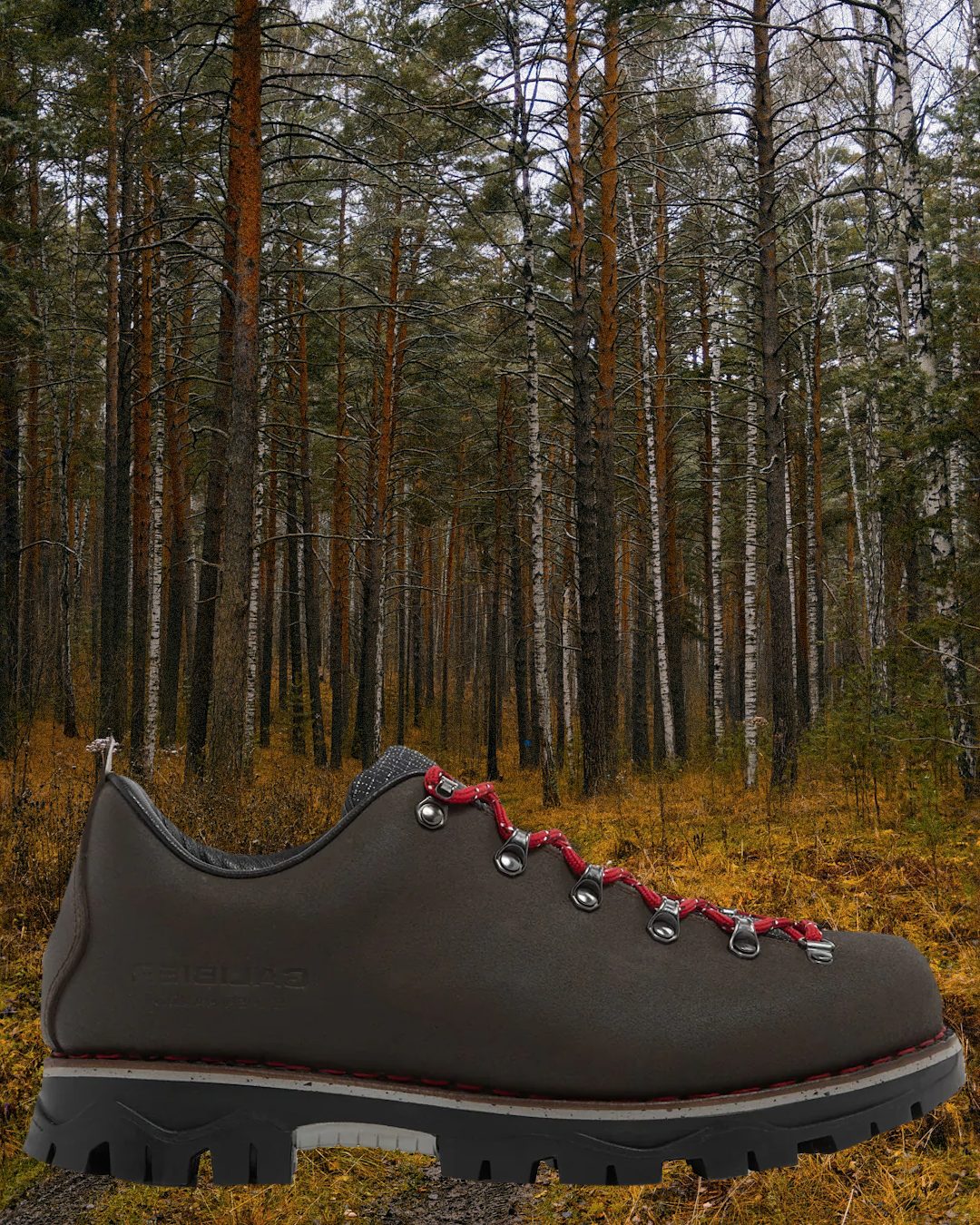
The Merrell 1TRL Wilderness in cherry-colored hairy suede is the ultimate style wildcard. It subverts the traditional "rugged" look by using a luxury-adjacent texture in a bold, unexpected hue. This shoe is a conversation starter. To pull this off, keep the rest of your outfit muted—think charcoal greys and navy blues—allowing the cherry suede to act as the focal point of your ensemble. It’s a brilliant way to inject personality into a functional wardrobe.
Versatility Check: From Trail to Pavement
The true genius of the low-hiker lies in its invisibility—or rather, its ability to blend in. Unlike a full-height hiking boot, which can feel clunky and performative in a city setting, the low-hiker transitions seamlessly.
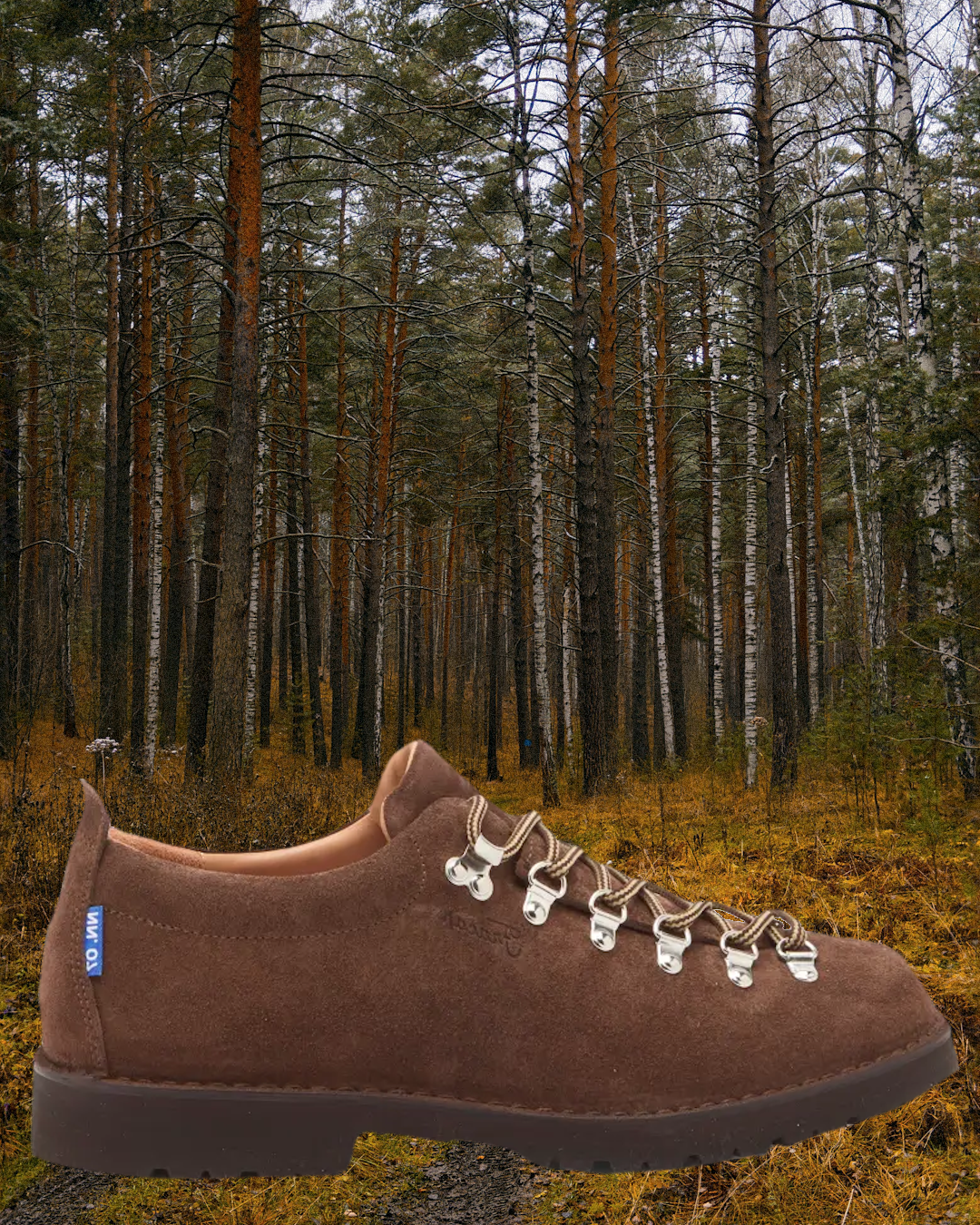
Whether you’re catching a train or grabbing a pint at the pub, these shoes offer a level of comfort that traditional dress shoes or flat-soled sneakers simply can’t match. The inclusion of Vibram® outsoles and cushioned midsoles means you can be on your feet all day without the "fatigue" that usually follows a long city commute. The "Trail to Runway" movement is ultimately about reclaiming comfort without sacrificing a polished, masculine aesthetic.
Selection Guide: Choosing Your Low-Hiker for 2026
Choosing the right pair depends on where you sit on the technical-to-fashion spectrum. You need to consider the "stack height" (the thickness of the sole) and the material (breathability vs. water resistance).
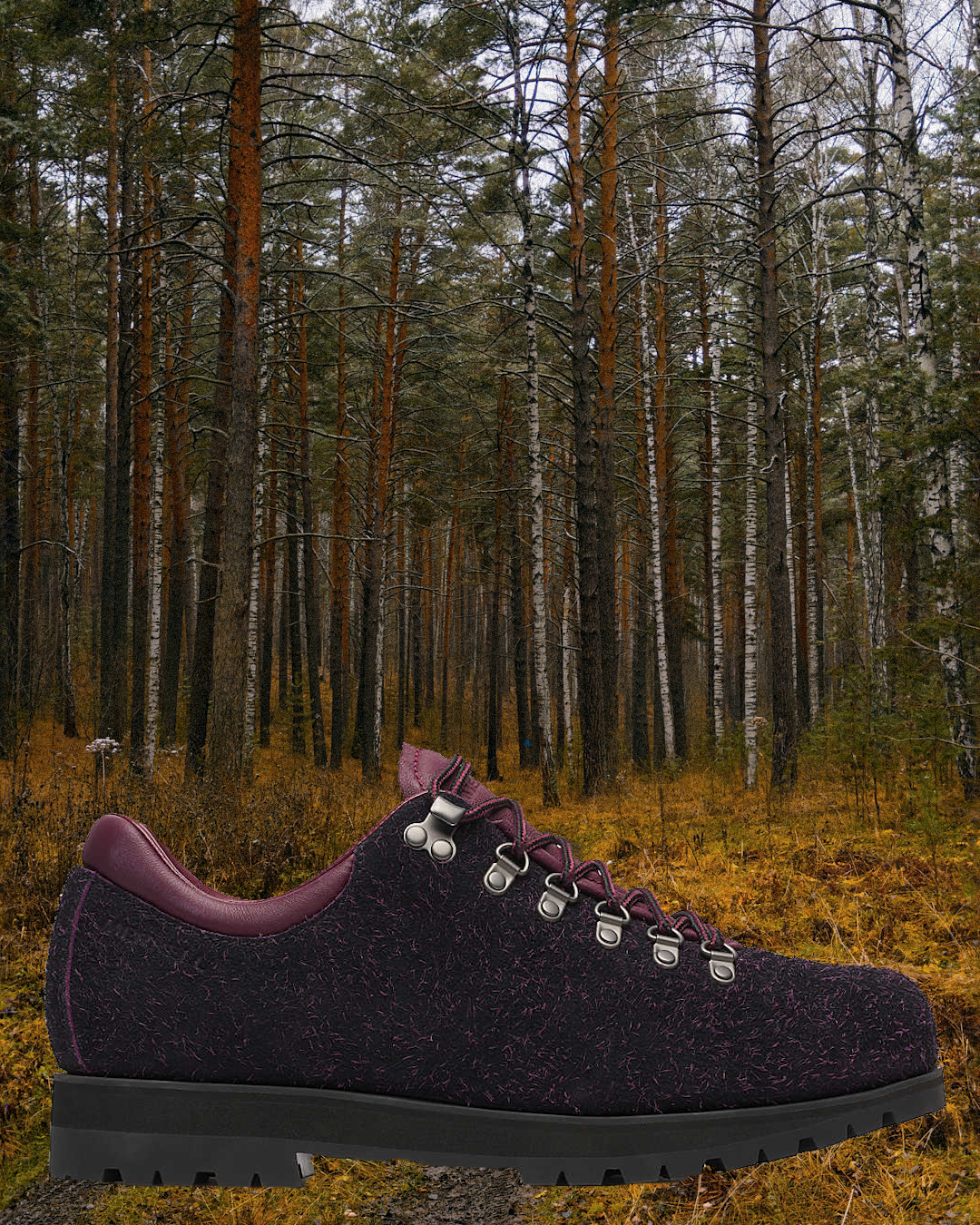
- The Technical Purist: Go for the Salomon X Ultra or an Oboz model. Look for GORE-TEX branding if you live in rainy climates like London or Seattle.
- The Budget-Conscious Explorer: The Merrell Moab 3 remains an undefeated value king—practical, durable, and increasingly accepted in fashion circles.
- The Style Aficionado: Invest in Diemme or Paraboot. These are "buy once, cry once" purchases that will last a decade with proper care and can be dressed up for dinner dates.
Final Word
The rise of the low-hiker represents the peak of practical fashion. By combining the best of outdoor engineering with refined urban silhouettes, we’ve finally found a footwear category that works as hard as we do. It’s time to step off the trail and onto the pavement with confidence.