In the hyper-accelerated digital landscape of drop dates and resale algorithms, we’ve largely lost the art of the deep dive. Before the "hype" became a measurable commodity, there was Gary Warnett and his seminal blog, Gwarizm. Launched in 2009, this digital editorial didn't just report on sneakers; it cataloged the very soul of streetwear history. Warnett was the "Elevated Fanboy" personified—a writer who could connect the dots between a 19th-century fabric weave and a limited-edition collaboration. For those looking for the best streetwear blogs for discovery, Gwarizm remains the gold standard of counter-culture fashion documentation.
Decoding the Origins – From the Bronx to the Blog

To understand what is streetwear today, you have to look back at the raw, unpolished energy of the 1970s South Bronx and 80s skate culture. This image captures the visceral "street" element that Gary Warnett protected so fiercely. The history of street style isn't found in a luxury boutique; it's hidden in the grainy textures of archival photography and the history of streetwear fashion catalogs that most people threw away.
Warnett’s writing emphasized subculture authenticity over commercial appeal. He understood that the what is streetwear style aesthetic is actually a language of resistance and identity. When researching these origins, look for the grit—the way a oversized jacket sits or the specific scuff on a pair of vintage kicks. This era wasn't about "streetwear brands" as a category; it was about the streetwear community repurposing sportswear to define their own reality.
Technical Mastery – The ACG and Peter Fogg Era
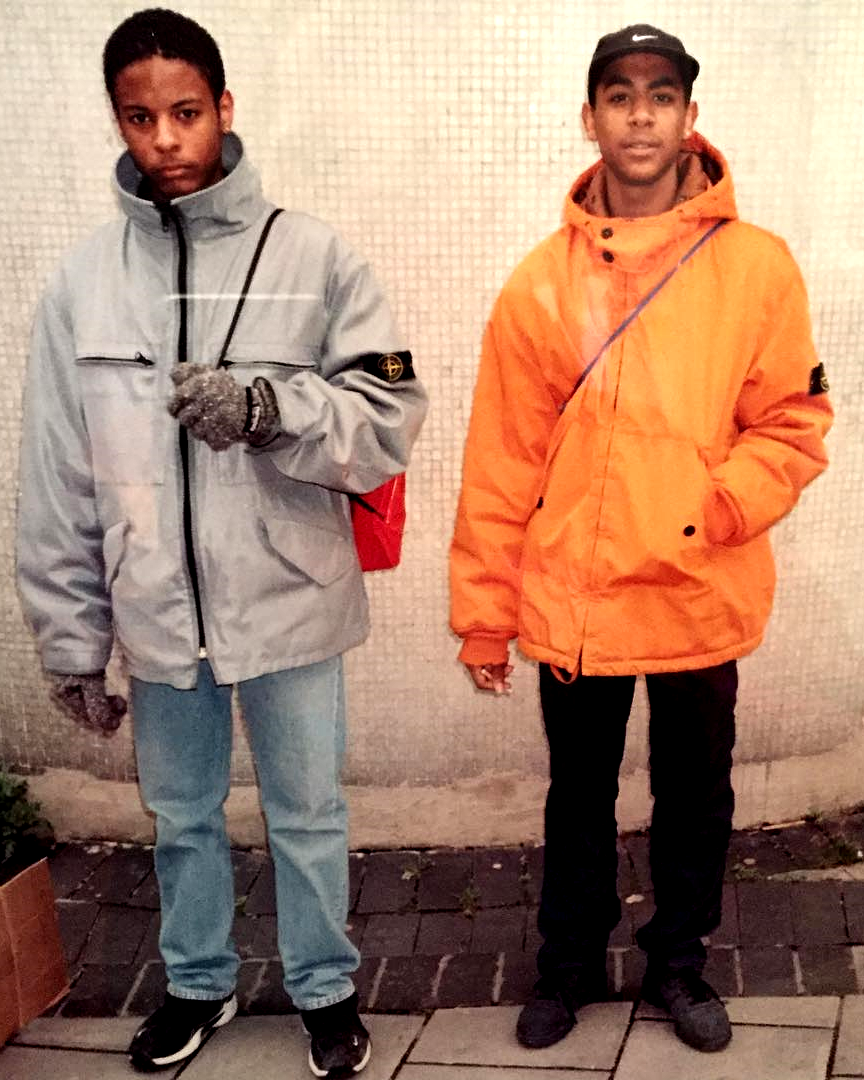
One cannot discuss streetwear history without mentioning Warnett’s obsession with Nike ACG (All Conditions Gear). He moved the conversation away from "is this rare?" to "how is this built?" He championed the work of designers like Peter Fogg, whose silhouettes—the Humara, the Terra Albis—redefined footwear design history. The appeal lies in the technical utility: the heavy-duty stitching, the GORE-TEX membranes, and the aggressive outsoles designed for terrains the average city dweller would never see.
When navigating the influential early streetwear brands list, you notice a pattern of functional disruption. Gary taught us that the "best" sneakers weren't always the most expensive, but the ones with the most interesting lineage. To master this look, pair your technical streetwear brands with archival pieces that speak to this utility. Look for material textures—suede, ripstop, and mesh—that highlight the design complexity often ignored by the modern hype machine. This is streetwear archiving at its most practical level.
The Archivist's Methodology – Beyond the Hype

Gary Warnett was one of the first modern streetwear pioneers to treat a pair of sneakers like a historical artifact. If you want to learn how to research streetwear history, you have to stop looking at Instagram and start looking at archives. This means hunting down 90s Japanese magazines, scanning old catalogs, and understanding the "why" behind the "what." The sneakerhead subculture thrived on this encyclopedic knowledge, creating a barrier to entry that demanded genuine passion.
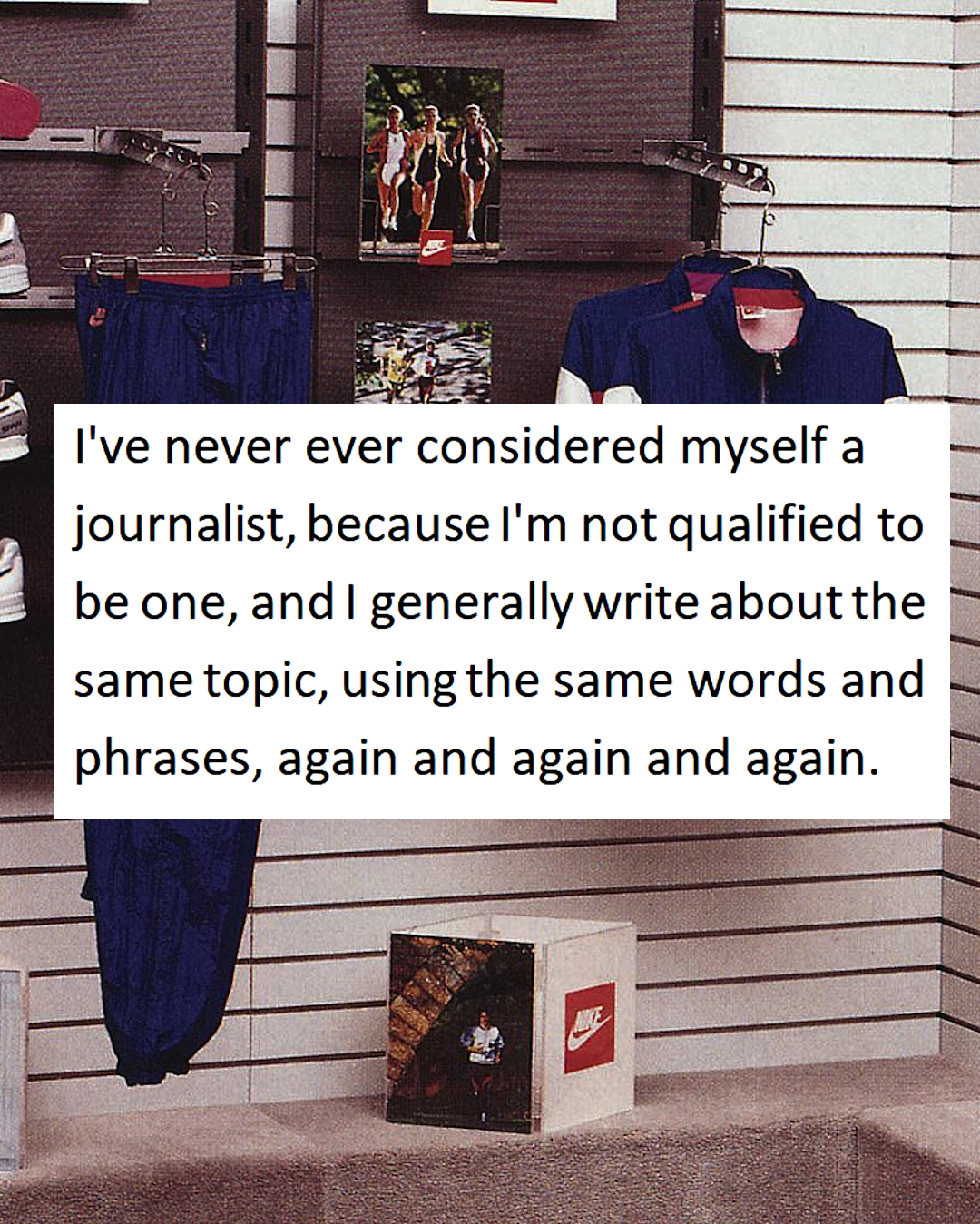
This image represents the shift toward a more curated, archival lifestyle. It’s not about how many shoes you own, but about the stories they tell. Proper documentation involves looking at the production dates, the factory codes, and the specific colorway names that give a silhouette its context. When you approach your collection as an archive, you move beyond the fleeting nature of trend-reporting and into the realm of cultural preservation.
The Lasting Legacy of Gwarizm

Gary Warnett’s impact on streetwear history remains unparalleled because he refused to let the culture be simplified. He proved that you could be a fanboy and an intellectual simultaneously. Gwarizm wasn't just a blog; it was a blueprint for how we should discuss streetwear culture and brand history—with rigor, humor, and a relentless pursuit of the truth. He reminded us that behind every "hype" release is a human story, a designer's vision, and a subculture authenticity that deserves to be remembered.
Streetwear is storytelling. It’s the heritage we wear on our backs and the history we walk in every day. Gary's legacy is the reminder that the deeper you dig, the more style you'll actually find.