For most men under 5'8", the modern menswear landscape can feel like a minefield of oversized proportions and "one-size-fits-all" standards that actually fit no one. But here is the truth: style isn't about the number on the measuring tape; it’s about the relationship between your clothes and your frame.
Mastering the Vertical Line: The Proportional Mindset
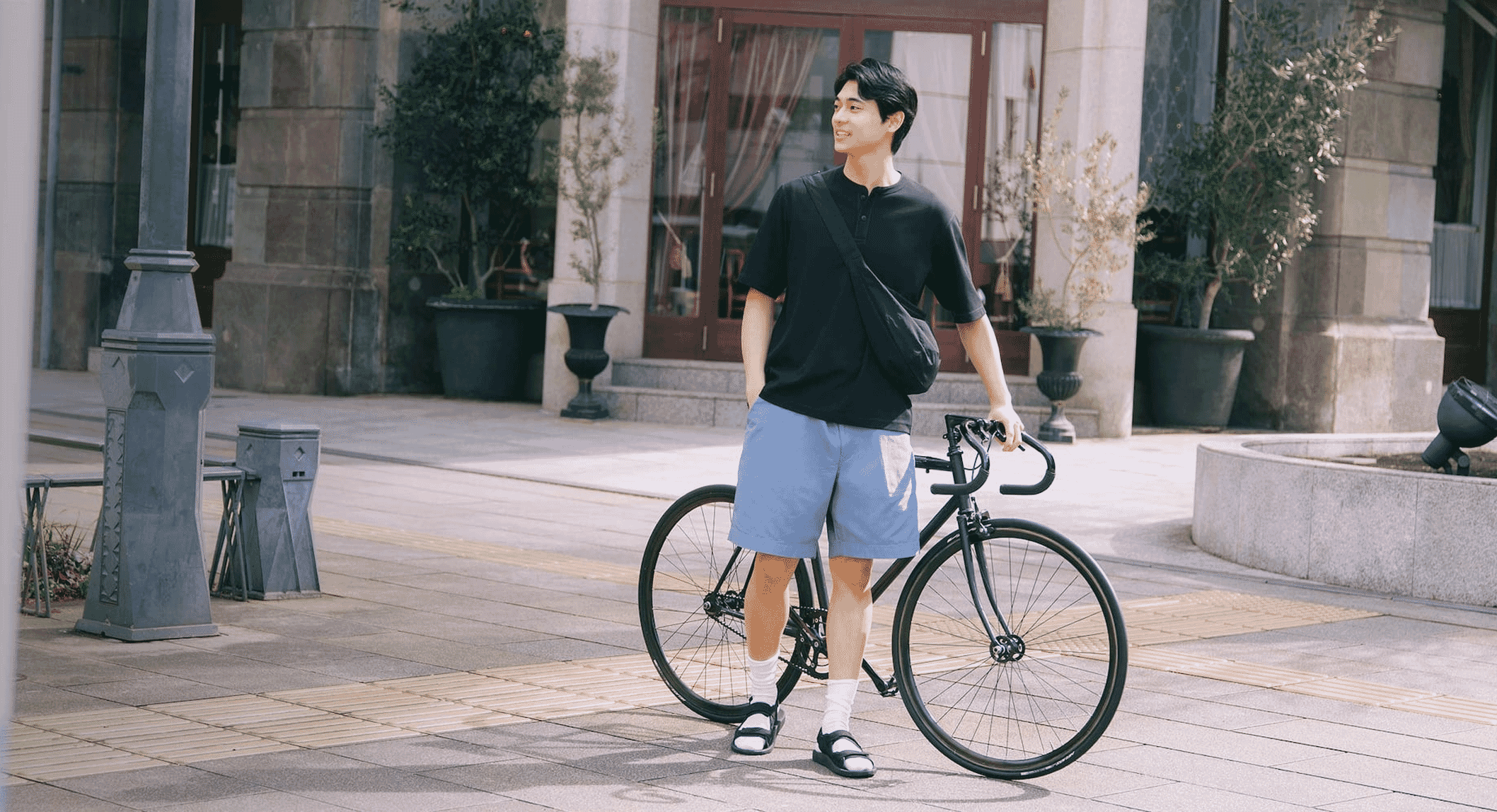
The biggest mistake men with shorter frames make is trying to look "tall." Instead, your goal should be "proportional." When your clothes fit your specific geometry, you look intentional and sharp. Notice the urban silhouette above: the light blue shorts paired with a dark henley creates a clear break at the natural waist, while the clean lines of the bike and the minimalist background emphasize a streamlined verticality. By avoiding excess fabric that pools at the ankles or billows at the waist, you maintain a cohesive visual narrative that speaks to confidence rather than a struggle with off-the-rack sizing.
The Shirt: Hem Length and Sleeve Mastery
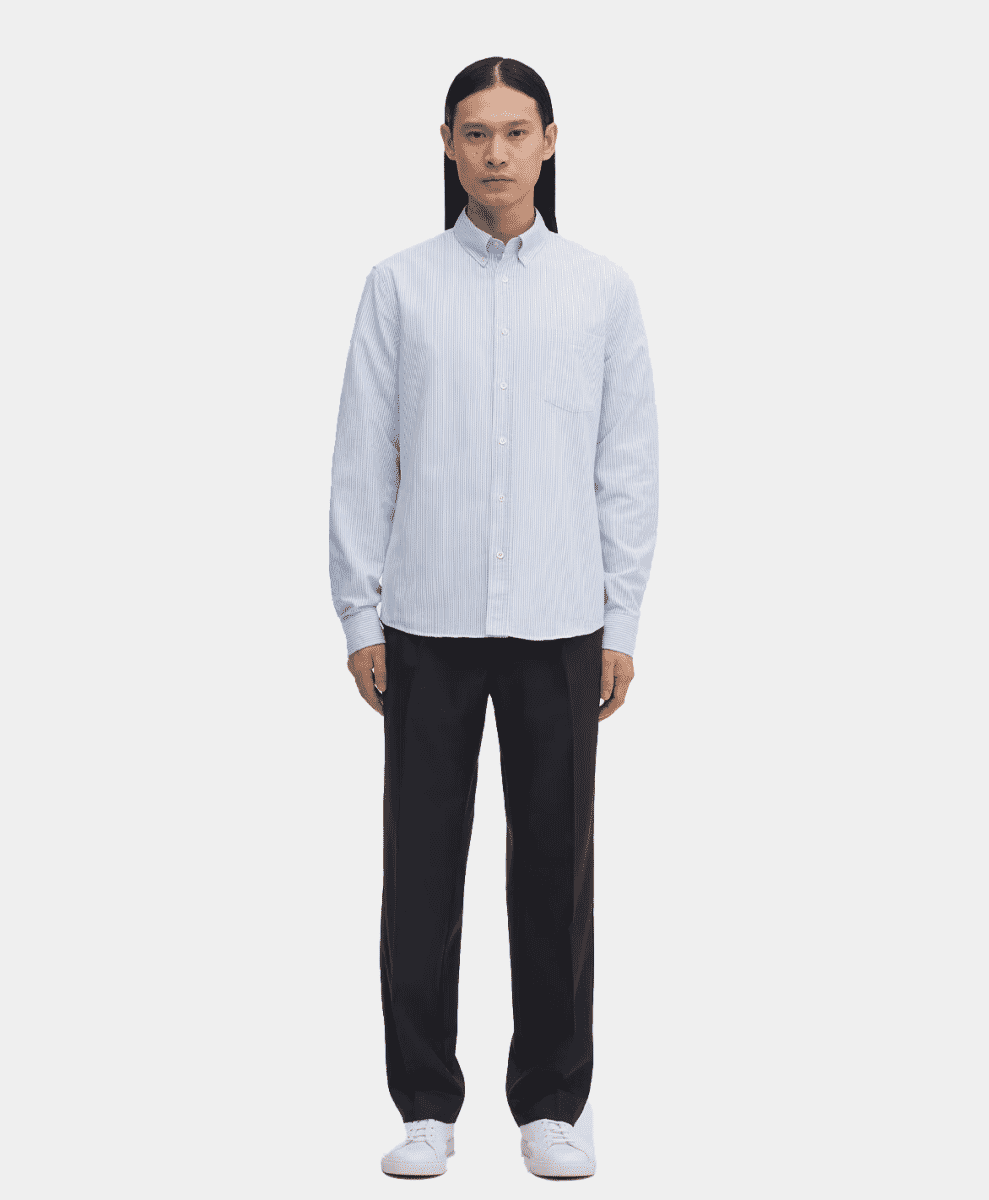
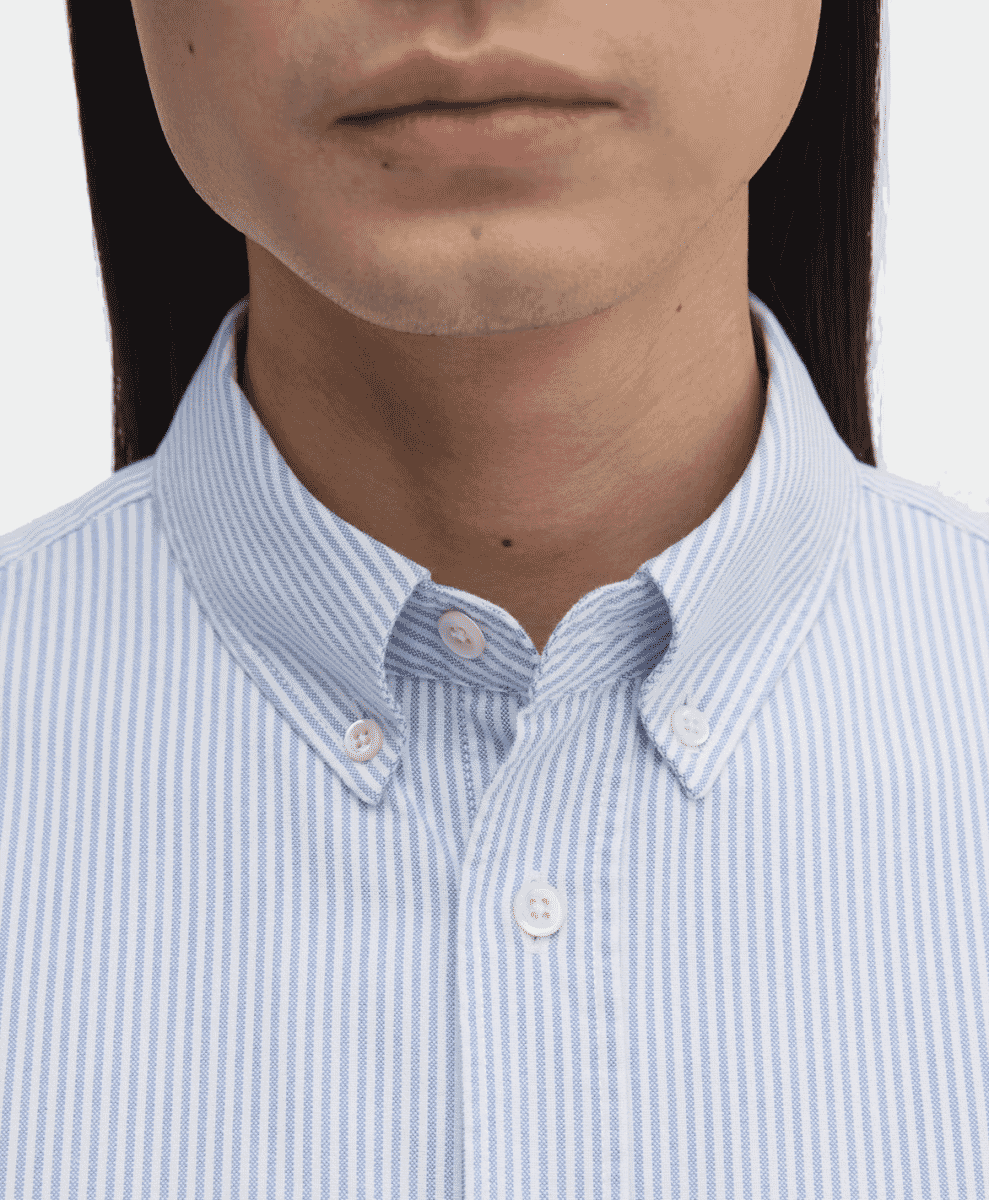
The foundation of a good shirt for the shorter man is the hem. If it’s too long, it swallows your legs; too short, and it looks like a crop top. The "mid-fly rule" is your best friend—the hem should end halfway down your zipper. In the images above, we see the power of vertical stripes. Much like a pinstripe suit, a fine-striped button-down draws the eye upward, subtly elongating the torso.
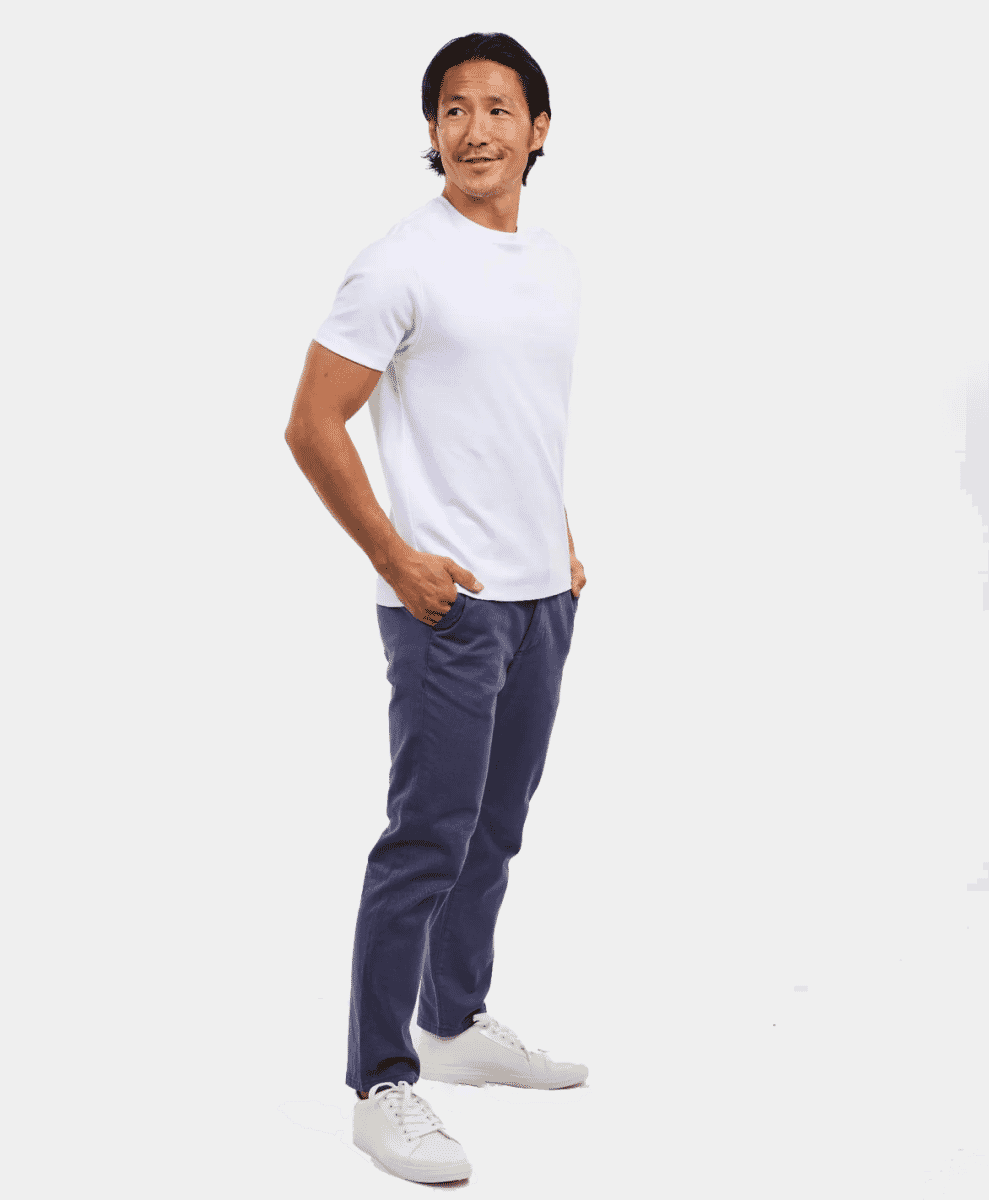
When going casual, a crisp white tee is unbeatable, but only if the sleeve length hits mid-bicep. For those who struggle with "standard" lengths, ASKET is a game-changer with their multi-length sizing options. Remember, a tucked-in shirt or a perfectly hemmed T-shirt creates a high waistline, which instantly makes your legs appear longer and your overall silhouette more athletic.
Outerwear: Structure Without the Bulk
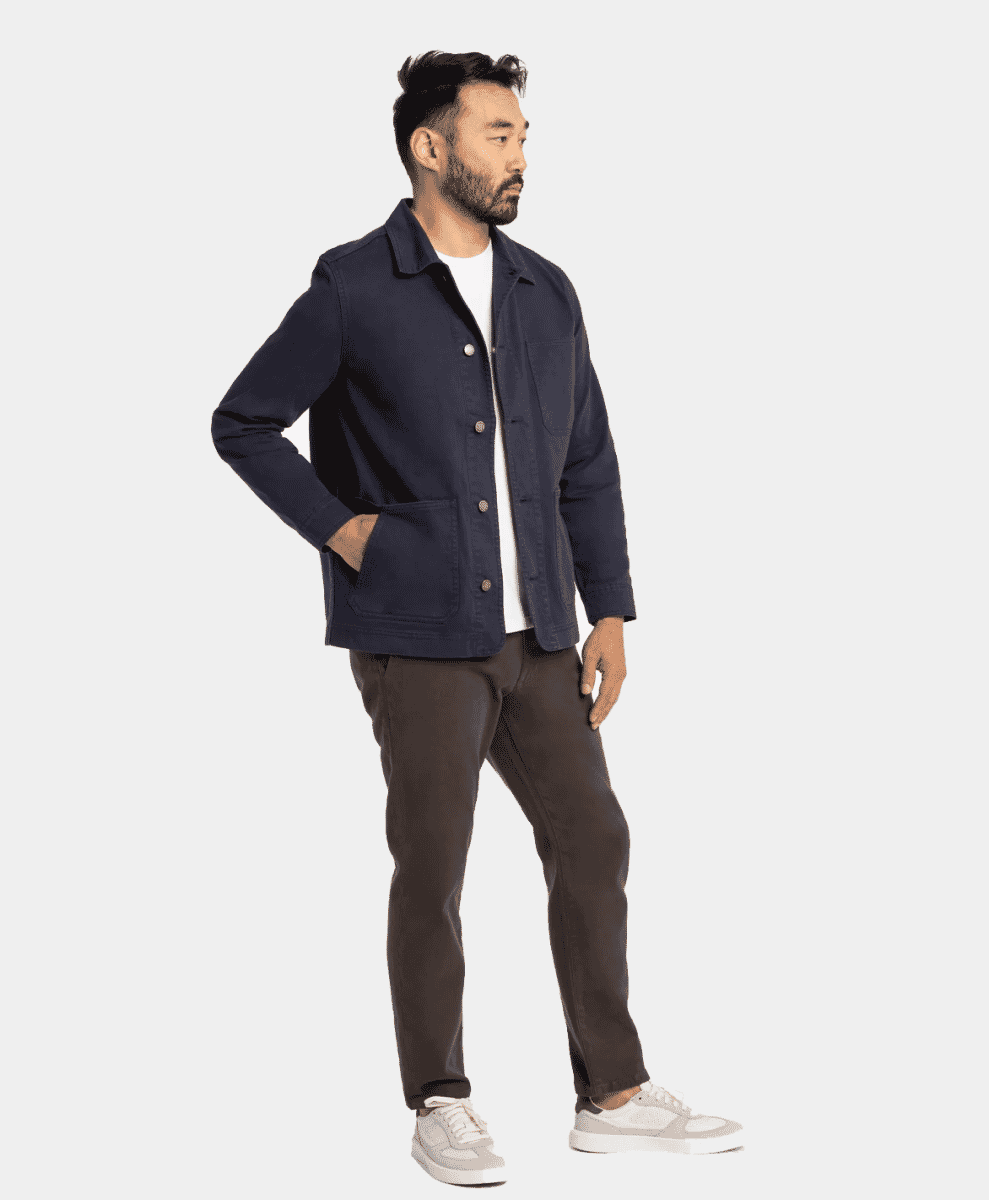
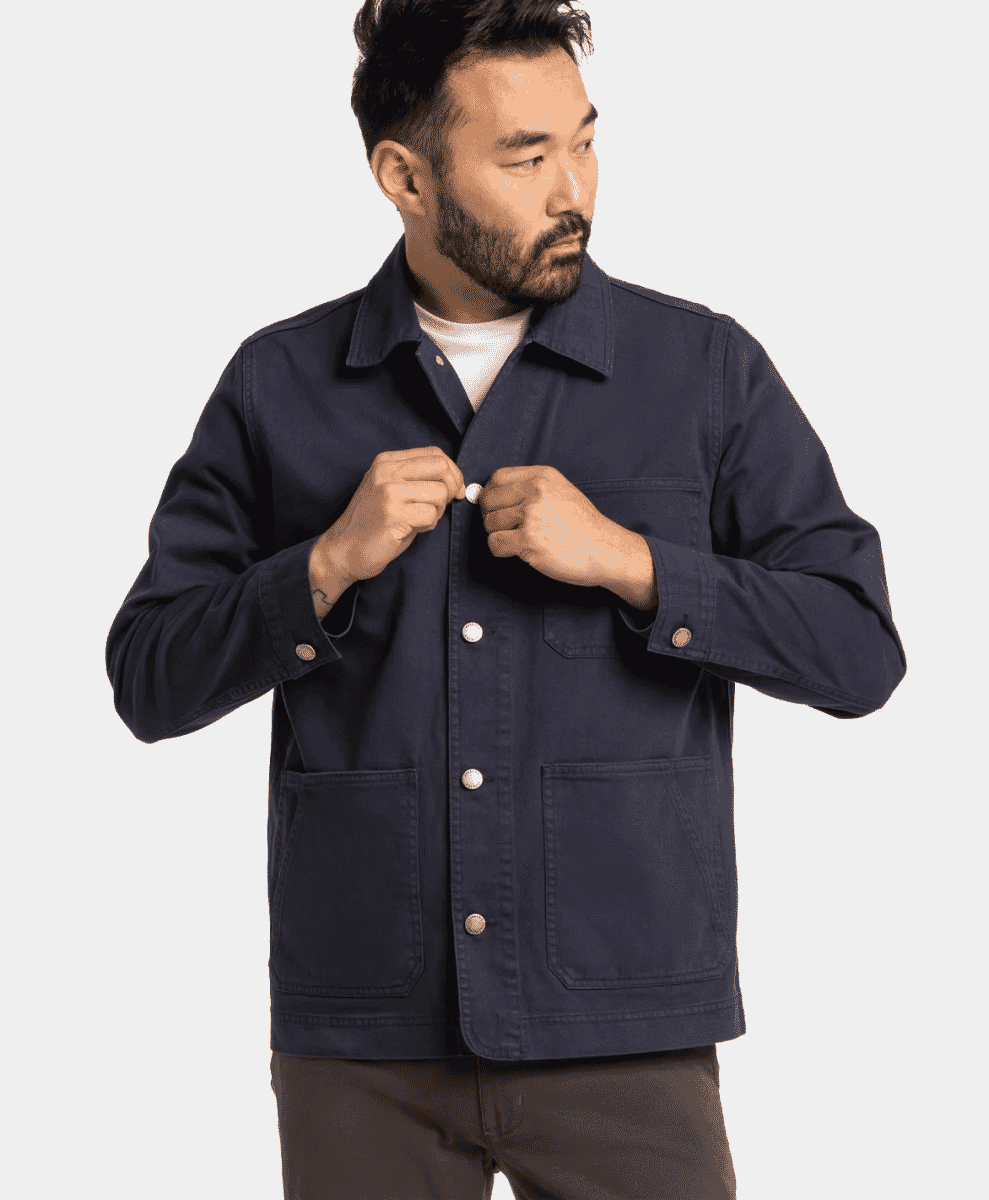
Outerwear is where many guys lose the battle. Long parkas and oversized overcoats can make a shorter man look like he’s playing dress-up in his father’s closet. The solution? Structure and brevity. Look for "hip-length" pieces—chore coats, harrington jackets, or tailored blazers.
The navy work-style jacket shown above is a masterclass in this. Its cropped length keeps the legs visible, while the structured shoulders provide a masculine "V" taper. Uniqlo offers excellent minimalist options that provide this structure without the unnecessary bulk. A blazer, specifically, should have a slightly higher button stance to draw the eye toward the chest. Avoid heavy padding; you want to define your frame, not expand it horizontally.
Trousers & Denim: Rise, Taper, and the 'No-Stacking' Rule
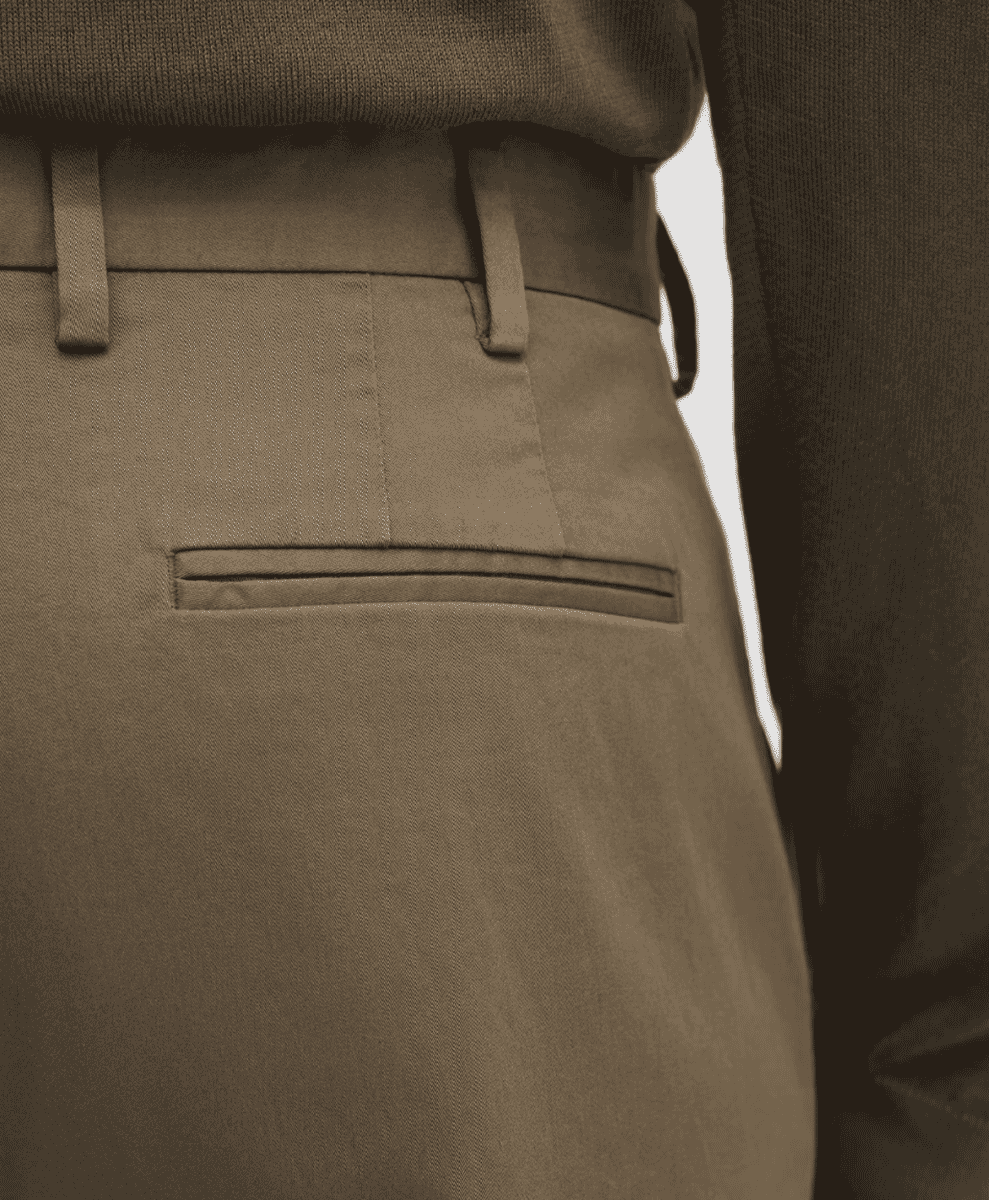
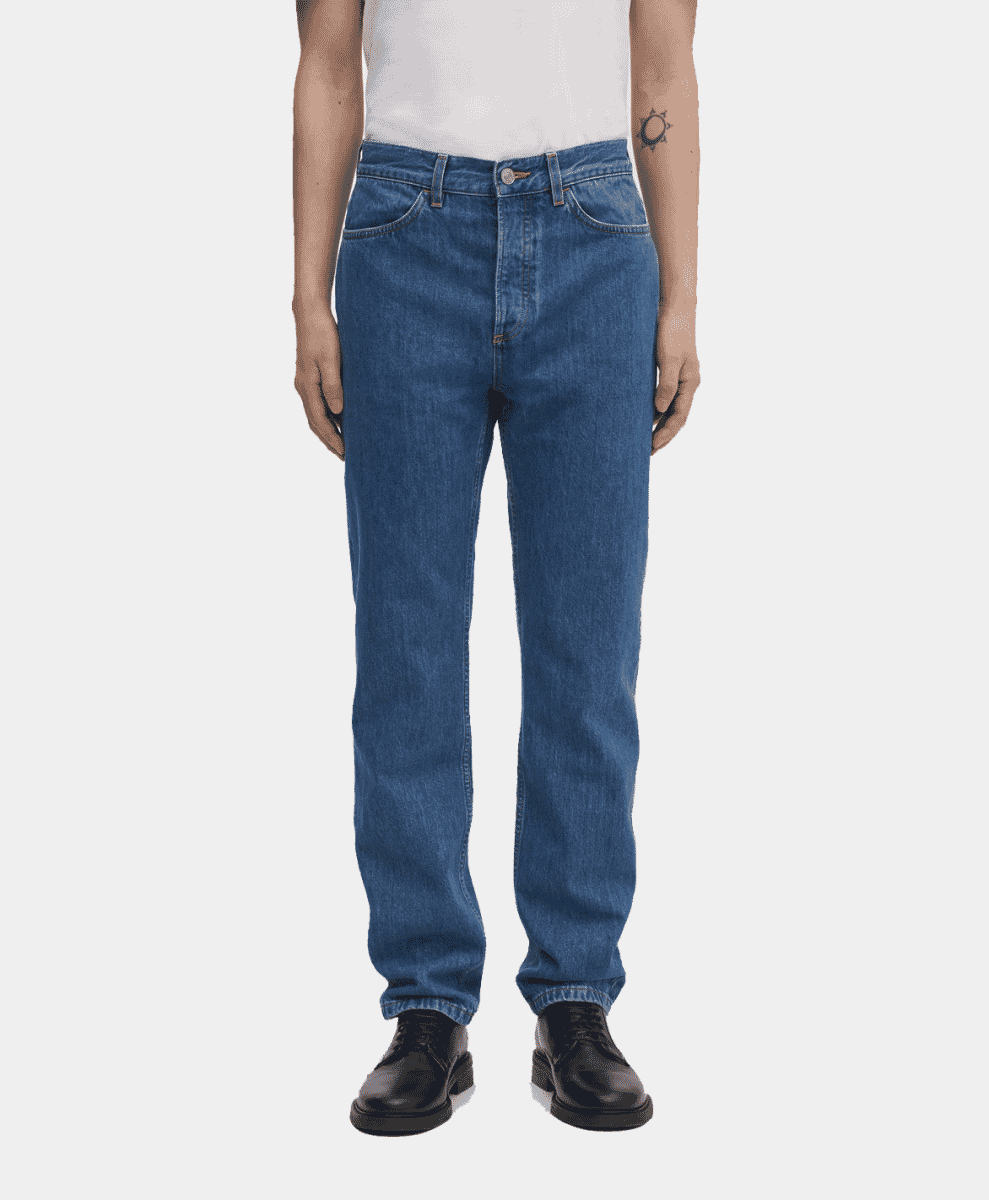
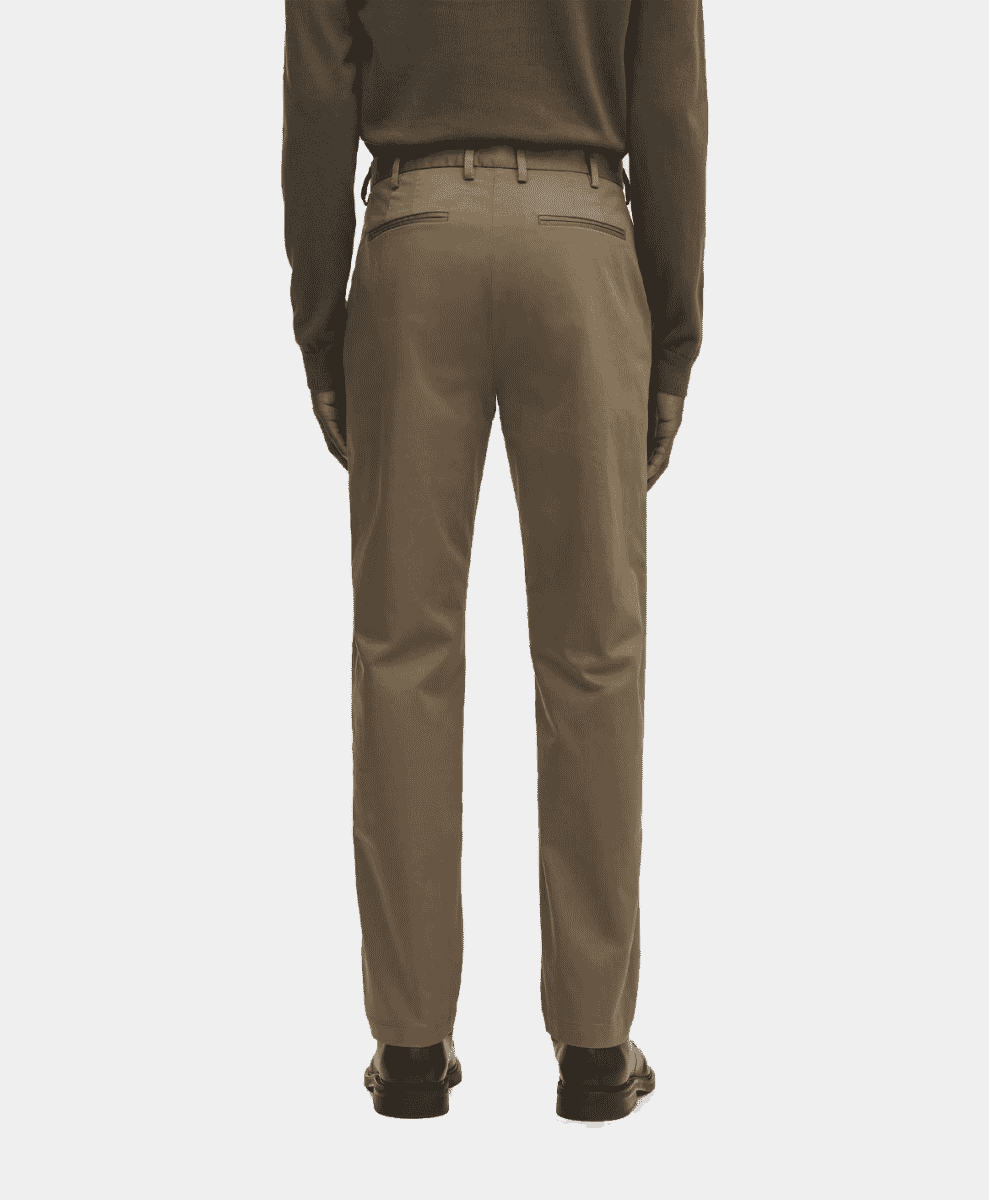
If you only take one piece of advice today, let it be this: stop the "stacking." When fabric bunches up at your shoes, it creates a visual anchor that pulls the eye downward and chops your height in half. Aim for a "slight break" or, better yet, a "no break" hem that just grazes the top of your shoe.
Higher-rise trousers are a secret weapon. By sitting slightly higher on the waist, they trick the eye into thinking your legs start several inches higher than they do. For denim and chinos, brands like Ash & Erie specialize in shorter inseams (starting at 25”), ensuring you don’t lose the intended taper of the leg by cutting off six inches at the tailor. Keep pockets minimalist—welt pockets over patch pockets—to reduce horizontal visual noise at the hips.
Modern Proportions: Breaking the Traditional Rules
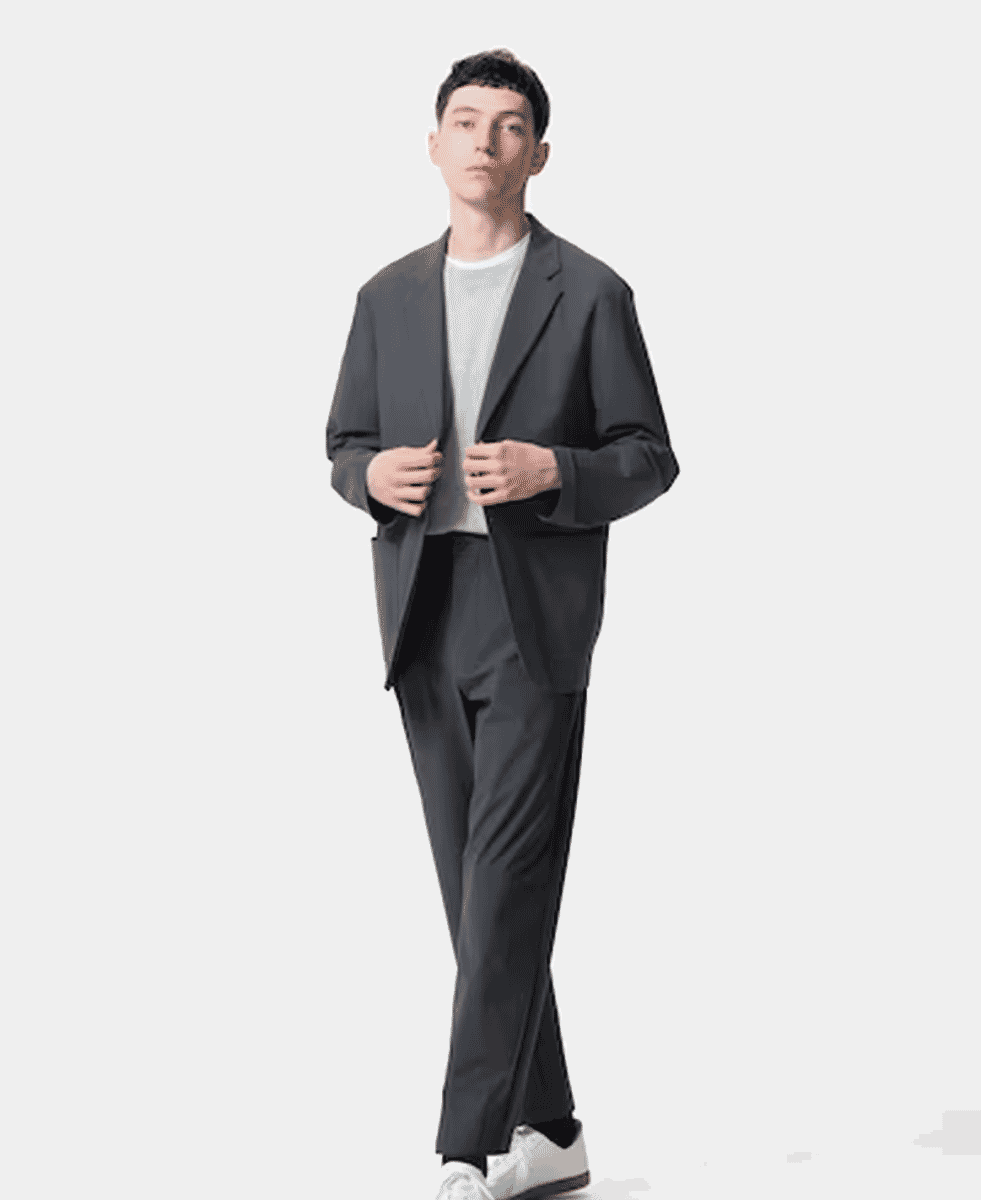
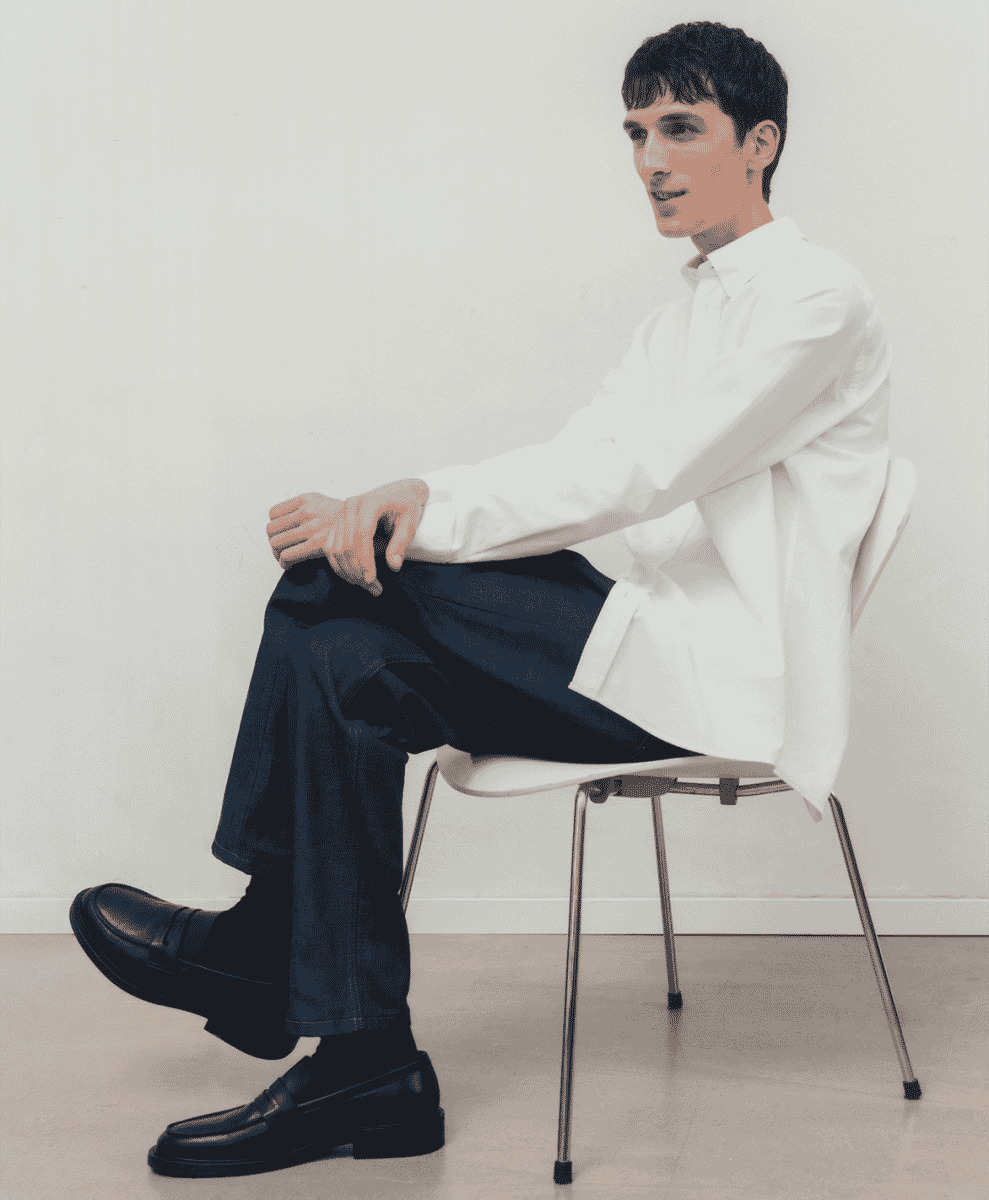
As we look toward 2026, the trend of relaxed, oversized silhouettes isn't going anywhere. Many shorter men avoid these trends out of fear of being swallowed whole, but you can pull off a wider cut if you manage the anchor points.
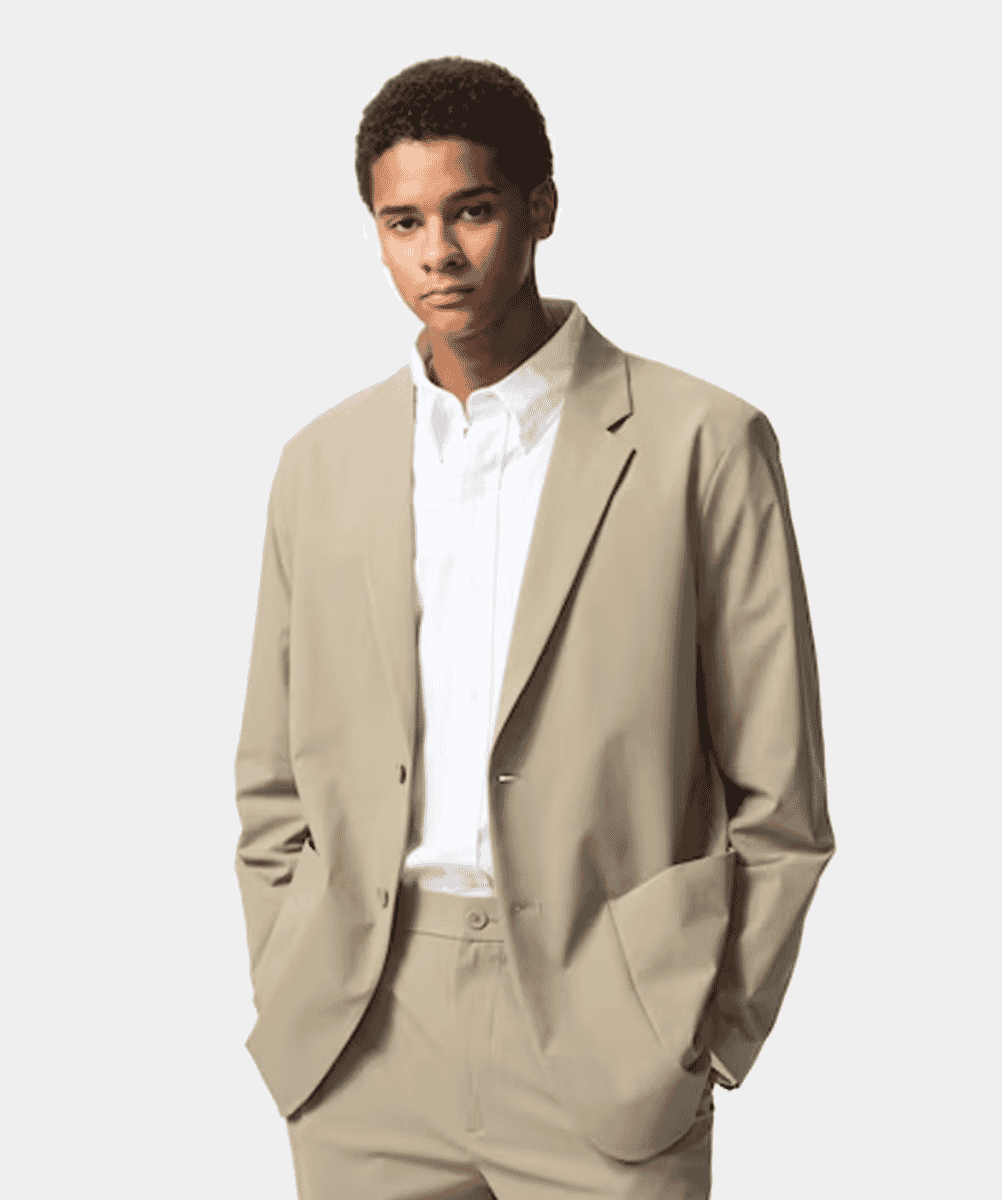
If you’re wearing wider-leg trousers or an oversized suit, the waist must remain defined. Note the gray suit above: despite the relaxed fit, the jacket length is precise, and the drape is clean. When experimenting with volume, contrast it with a more fitted base layer or sleek footwear. It’s about "intentional volume"—it should look like a choice, not an accident of poor sizing.
Final Touches: Accessories and Footwear
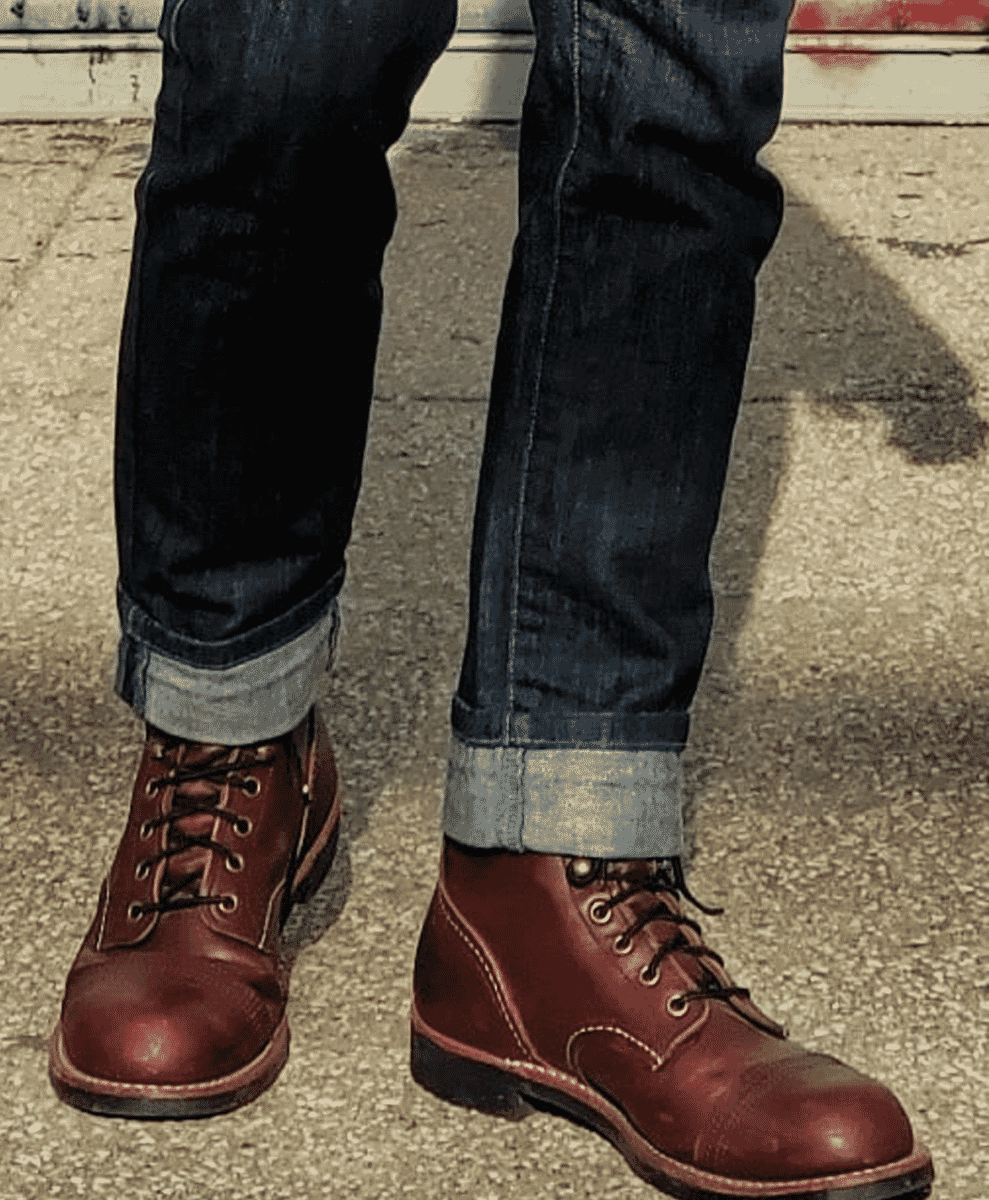
Finally, let’s talk about the ground floor. Your footwear should be an extension of your leg line. Bulky, square-toed shoes or heavy-soled sneakers can look clunky and "heavy" on a shorter frame. Instead, opt for a slim, almond-shaped toe. A polished Chelsea boot or a sleek leather loafer creates a continuous line from the hem of your trouser down to the floor. These small refinements are the difference between looking "short" and looking like a man who has completely mastered his personal style.
Mastering your proportions isn't about hiding your height—it's about highlighting your best features with precision and intent. Stay sharp.