For years, the skincare industry sold us on the "squeaky clean" sensation—that tight, localized pull of the skin after a vigorous wash. As an editor, I’m here to tell you that feeling isn't a sign of cleanliness; it’s a distress signal. When your skin feels "tight," you haven't just removed dirt; you’ve stripped away your skin’s biological security system. To achieve a truly radiant complexion, we need to stop scrubbing and start balancing.
The Science of the Acid Mantle
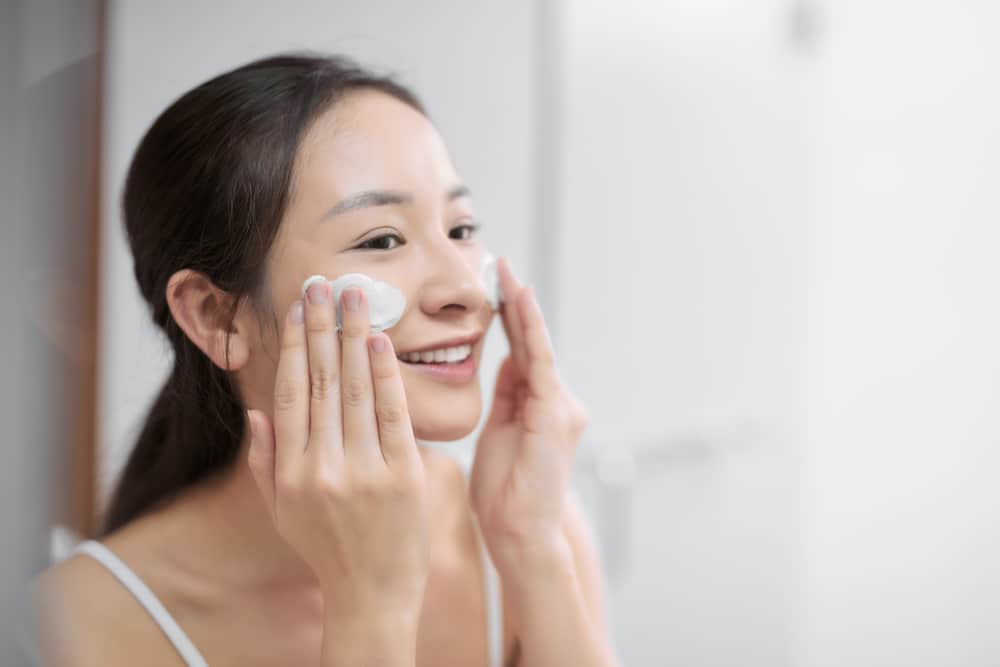
The foundation of healthy skin lies in the skin acid mantle, a thin, slightly acidic film on the surface of our epidermis. This protective layer thrives at a "sweet spot" pH of 4.5 to 5.5. When you use a pH balanced facial cleanser, you are actively preserving this delicate ecosystem.
The clinical benefits are significant: maintaining this acidity helps regulate the skin’s microbiome and prevents pathogens from taking root. Research suggests that switching to a low-pH regimen can reduce Transepidermal Water Loss (TEWL) by up to 30%. By keeping the barrier intact, you ensure that your skin retains its natural moisture, leading to that coveted "lit-from-within" glow rather than a dehydrated, dull finish.
The pH Trap: Why Traditional Soaps Fail

Traditional bar soaps are the primary culprits in the battle against skin health. Most reside in the alkaline range, often reaching a pH of 9 or 10. When you introduce such a high pH to your face, you cause an immediate swelling of the stratum corneum and a disruption of essential lipids.
The most alarming part? A single wash with an alkaline soap can leave your acid mantle vulnerable for up to 6 hours. During this window, your skin is prone to irritation, redness, and environmental damage. To avoid the "pH trap," look for "syndet" (synthetic detergent) bars or liquid cleansers specifically formulated to mimic the skin's natural acidity. The goal is a gentle exfoliating cleanser or a cream-based wash that lifts impurities without dissolving the "glue" that holds your skin cells together.
Mastering the Effective Cleansing Routine
An effective facial cleansing routine is as much about technique as it is about the formula. One of the most common mistakes I see is the use of hot water. High temperatures induce inflammation and further dissolve the protective oils that a pH-balanced cleanser is trying to save.
Adopt the "Lukewarm Rule": use water that feels neutral to the touch. When applying your product, engage in 30 to 60 seconds of gentle, circular motions. This allows the surfactants to encapsulate sebum and debris without the need for harsh mechanical scrubbing. Focus on the T-zone, where oil accumulation is highest, but treat the delicate cheek areas with a lighter touch. This methodical approach ensures a deep clean that respects your biological boundaries.
Choosing Your pH-Balanced Match

Selecting the right product requires a quick scan of the ingredient list. Look for humectants like glycerin and soothing agents like aloe vera, which provide a hydrating cushion during the cleansing process. If you have acne-prone or congested skin, don't shy away from active ingredients; simply ensure they are delivered in a low-pH vehicle.
For those seeking the benefits of low pH face wash with a bit of "oomph," I recommend looking into gentle exfoliating cleansers like the CeraVe SA Cleanser or La Roche-Posay Effaclar. These utilize salicylic acid or LHA to clear pores while remaining within a skin-friendly pH range. If your skin is on the drier side, a non-foaming milk or gel-to-oil cleanser will provide the most support for your barrier.
Ultimately, pH balance is the essential foundation of your entire skincare wardrobe. By stabilizing your skin's surface from the very first step, you ensure that every serum, moisturizer, and treatment applied afterward can perform at its peak. Consistency over intensity is the secret to a resilient, healthy complexion.