As the days shorten and the frost settles in, our relationship with our homes shifts from a place of transit to a sanctuary of survival. In the design world of 2026, we’ve moved beyond mere aesthetics; we are now designing for neurobiology, recognizing that the "Big Light"—that harsh, clinical overhead fixture—is the ultimate enemy of winter wellness.
Introduction: Why Your Home Lighting is Your Winter Lifeline
When the natural sun abandons us by 4:00 PM, your interior lighting takes over as the primary regulator of your serotonin levels. To beat the winter blues, we must lean into "Warm Dim" technology and 2700K color temperatures. A well-lit room isn't about brightness; it’s about creating a glow that mimics the golden hour. By ditching the singular ceiling source for a curated mix of ambers and creams, you transform a cold space into a mood-boosting sanctuary that actively fights seasonal fatigue.
Pro-Tip: Aim for bulbs labeled "Warm White" (2700K) to stimulate melatonin production in the evening, rather than "Daylight" (5000K) bulbs which can spike cortisol.
1. Ditch the Overhead: The Art of Layering
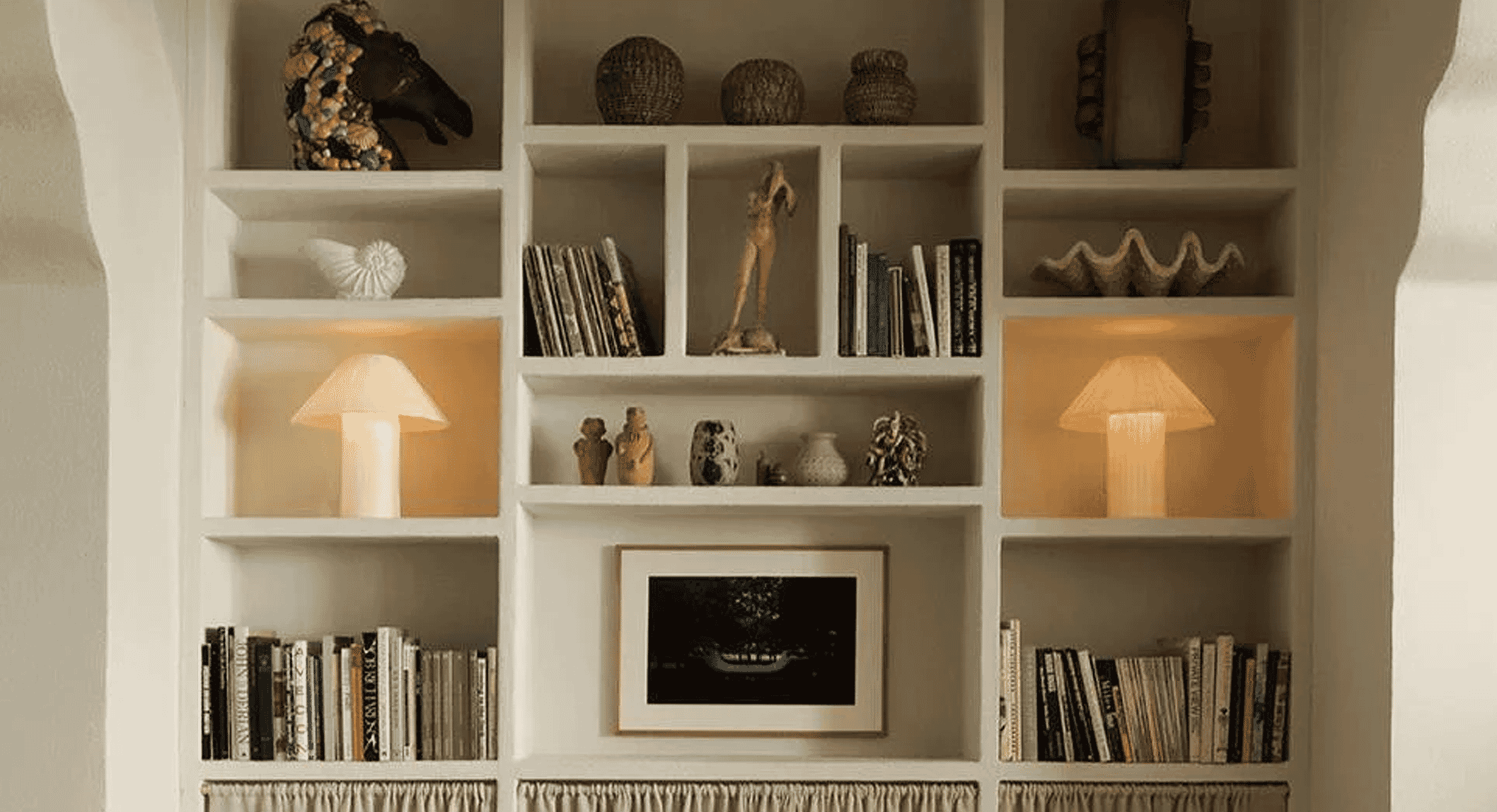
The secret to a sophisticated, soulful room lies in the "Rule of Three Heights." Lighting should exist at the floor level (up-lighting), table level (task/ambient), and eye level (sconces or shelves). By avoiding flat, top-down illumination, you create intentional shadows that add architectural depth and a sense of calm. Integrated shelf lighting, as seen above, turns a static wall into a living source of warmth, drawing the eye across the room rather than trapping it under a spotlight.
2. Textures that Diffuse: Washi and Pleated Shades
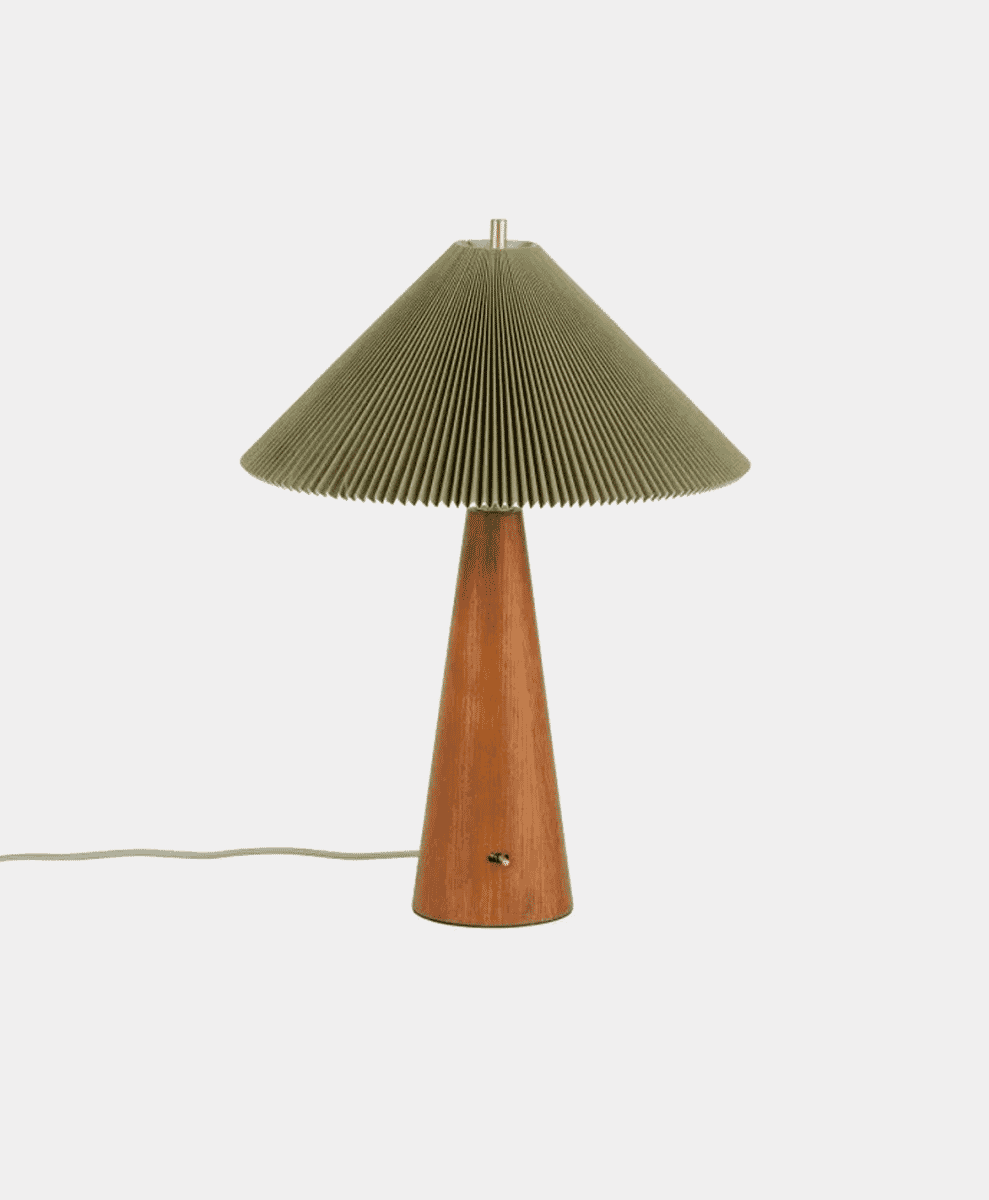
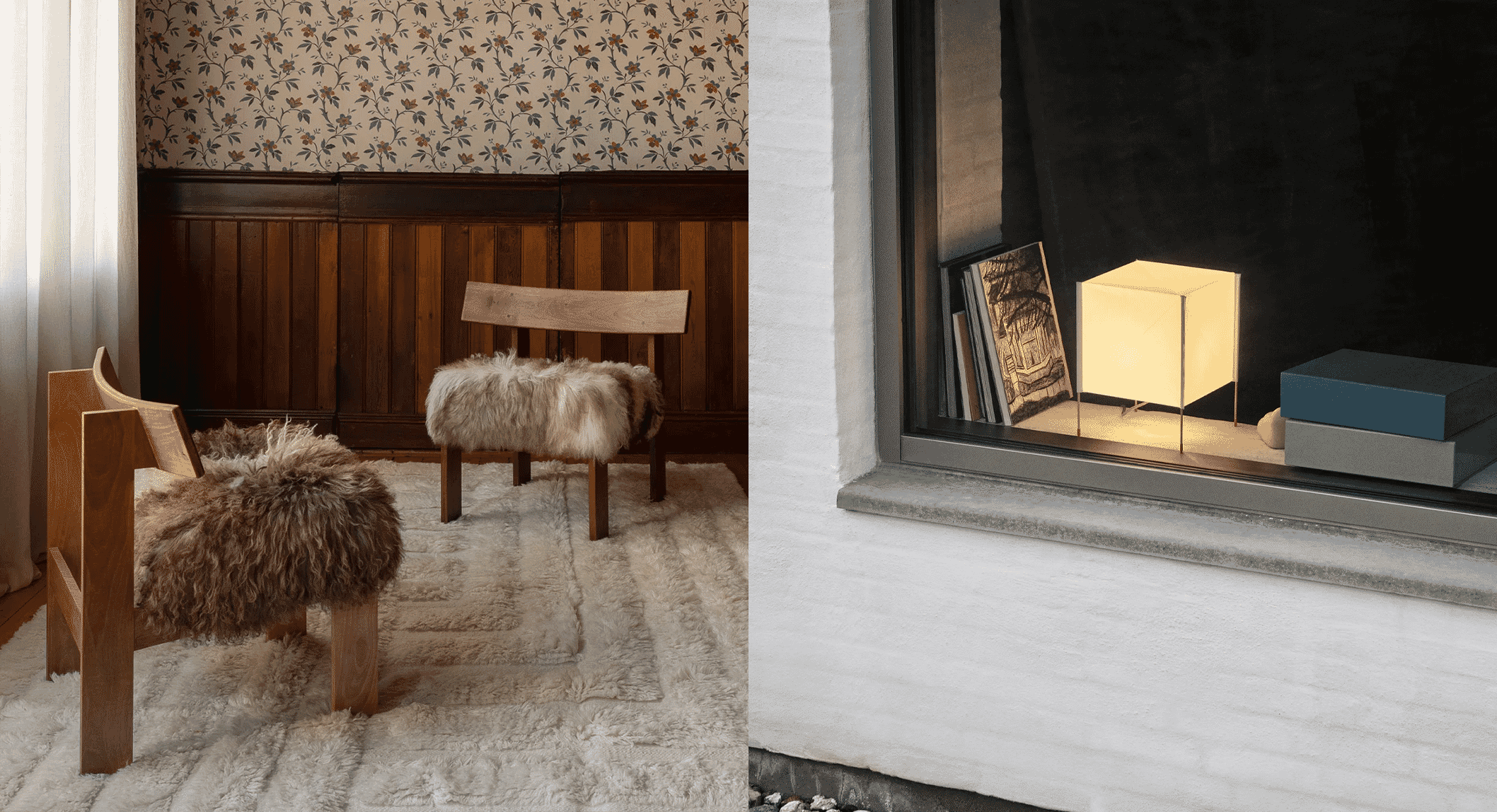
In 2026, we are seeing a return to "Truth in Materials." Pleated fabric and Washi paper shades are more than just retro-chic; they are functional diffusers. Unlike glass or bare bulbs that can feel "sharp" on tired winter eyes, a fabric shade softens the light's output, mimicking the gentle diffusion of a hazy winter sun through clouds. This texture adds a layer of tactile comfort to your decor, making the light feel organic rather than industrial.
Pro-Tip: Pair an olive-green or earthy-toned base with a neutral pleated shade to ground the room’s palette.
3. The Amber Glow: Warm Glass & Retro Revival
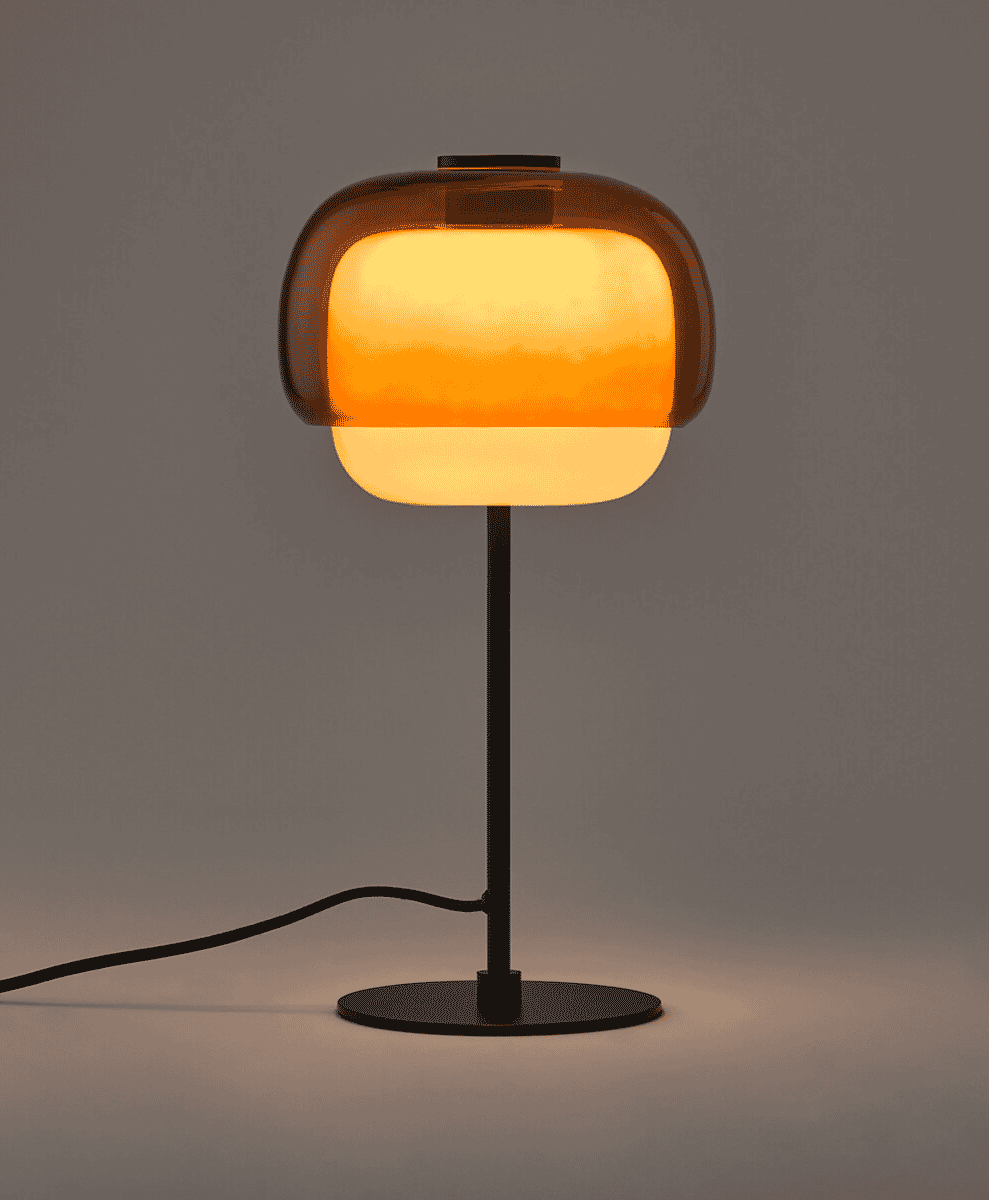
The 70s revival isn't slowing down, and its best contribution to modern wellness is amber glass. These translucent, smoke-orange shades act as a natural filter for blue light. In the evening, switching to an amber-toned lamp signals to your brain that the day is done. It reduces irritability and creates an intimate, "lounge" atmosphere that makes staying in feel like a luxury rather than a seasonal necessity.
4. Sculptural Light: Functional Art as Focal Points
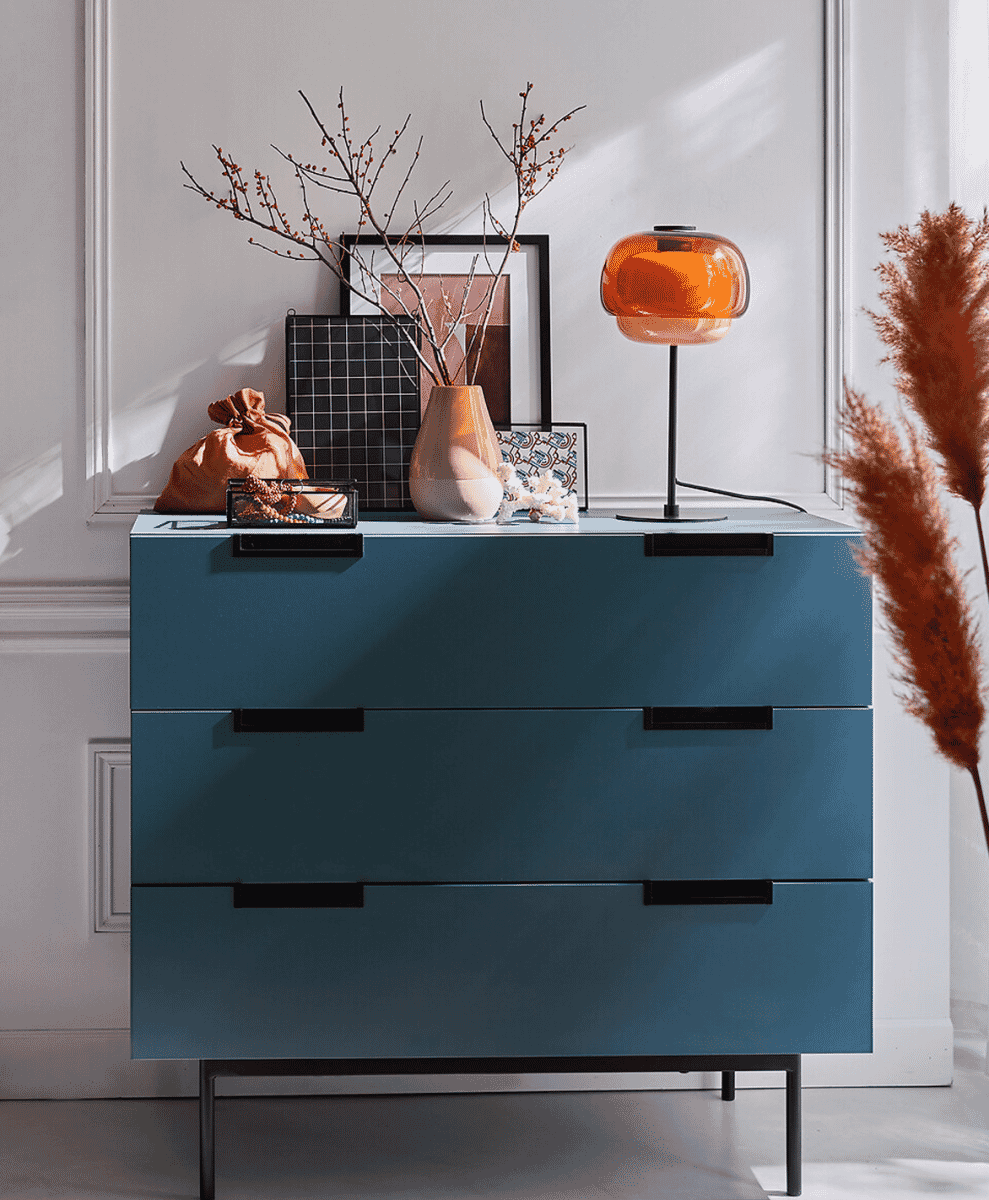
During the dark months, your lighting fixtures become the focal points of your interior design. Why settle for a boring utility when you can have "Visual Poetry?" Choose sculptural pieces—like the iconic mushroom lamp or the matte-finish dome lamp—that look like pieces of art even when they aren't switched on. These forms act as anchors for a room’s personality, providing a sense of curated intentionality that boosts your pride in your living space.
5. The Ritual of Fire: Multi-Wick Candles and Stone Holders
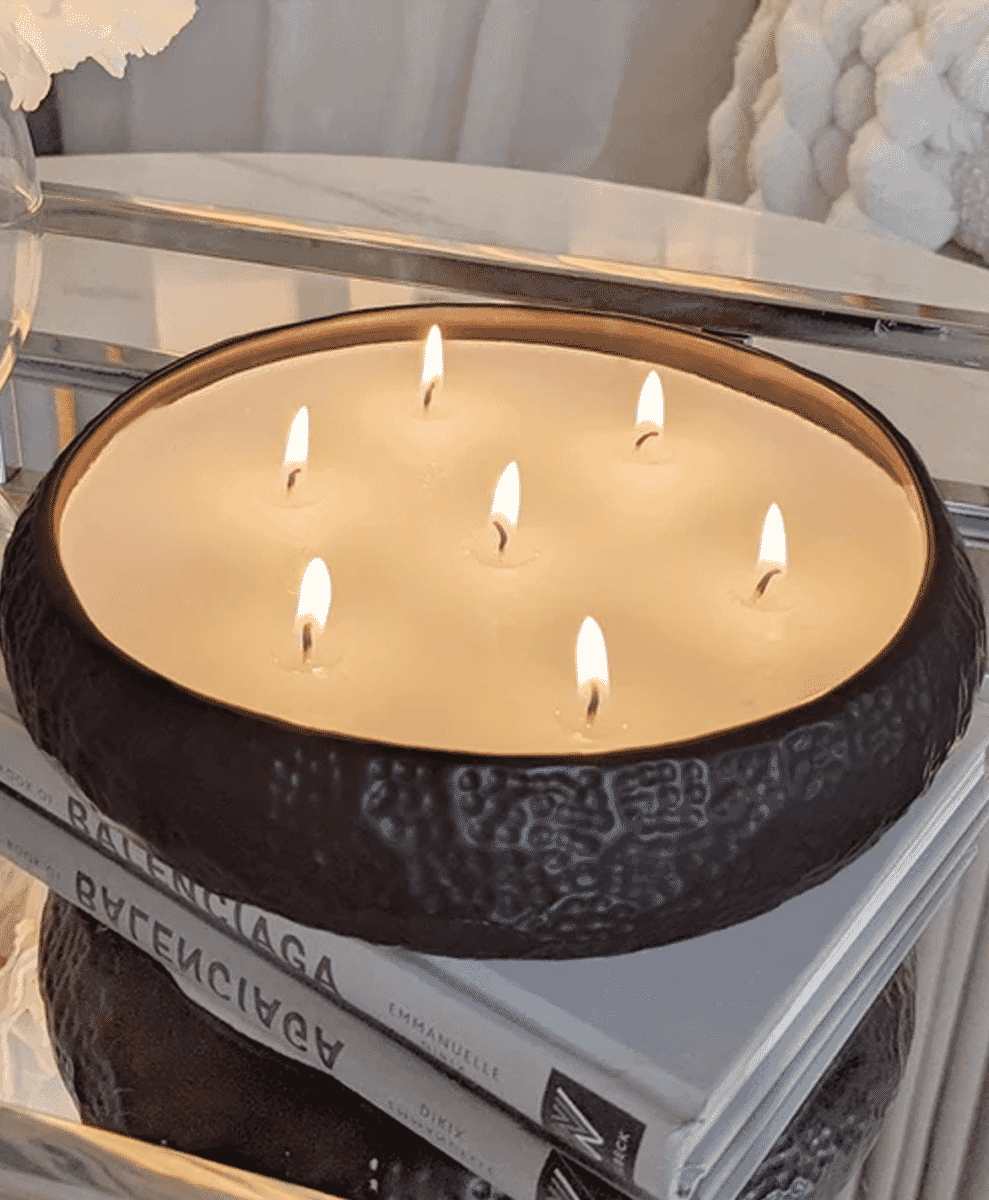
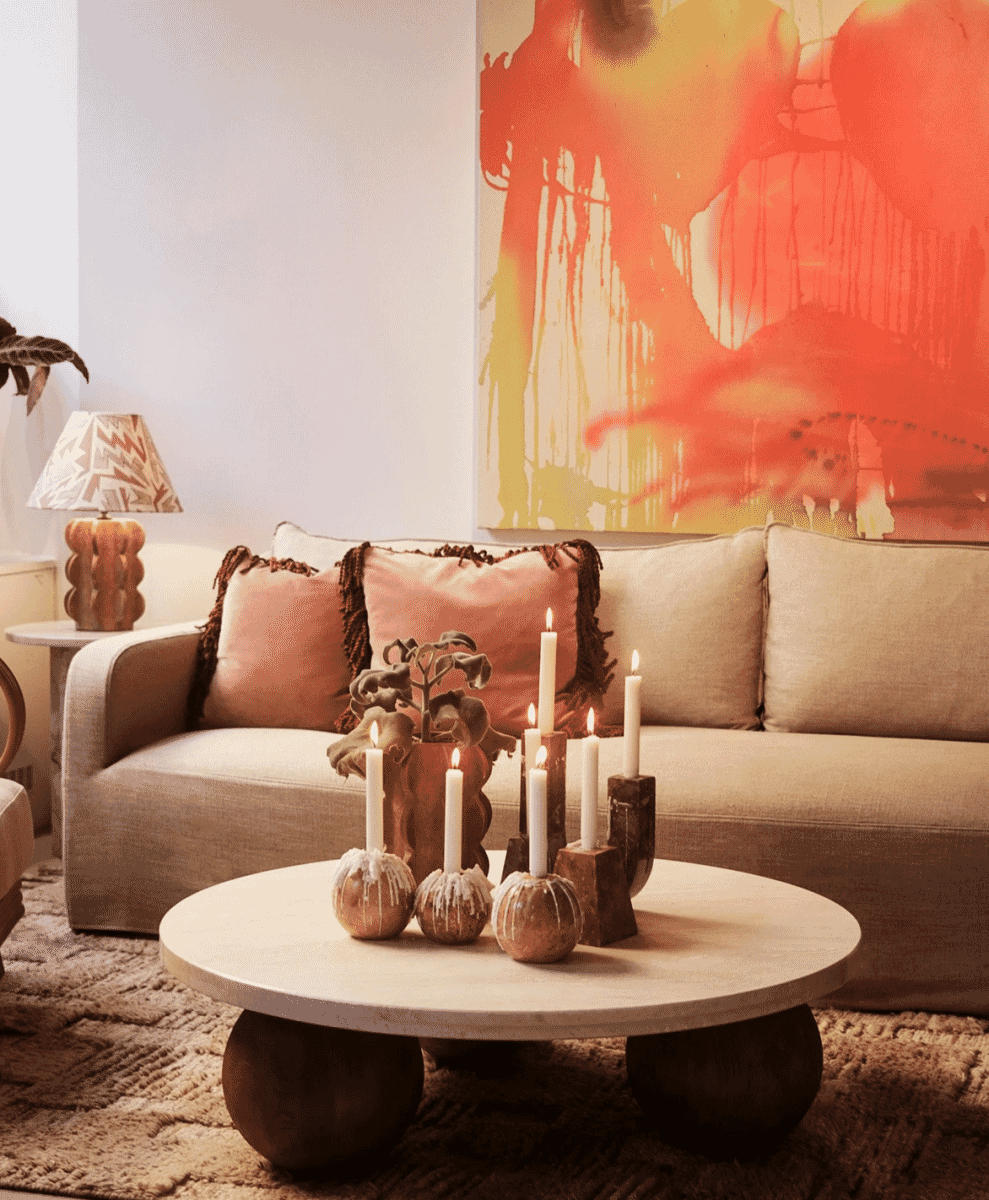
There is something deeply primitive and grounding about firelight. While electric light provides safety, firelight provides soul. Using multi-wick candles in stone or marble holders creates a broader "pool" of flickering light that mimics a miniature fireplace. Placing these on coffee tables or consoles creates a low-level glow that encourages conversation and presence. It’s the ultimate "low-tech" solution to Seasonal Affective Disorder (SAD).
Pro-Tip: Look for unscented beeswax or soy candles to maintain air quality while enjoying the visual warmth.
6. Circadian Mornings: Integrating SAD Therapy & Sunrise Clocks
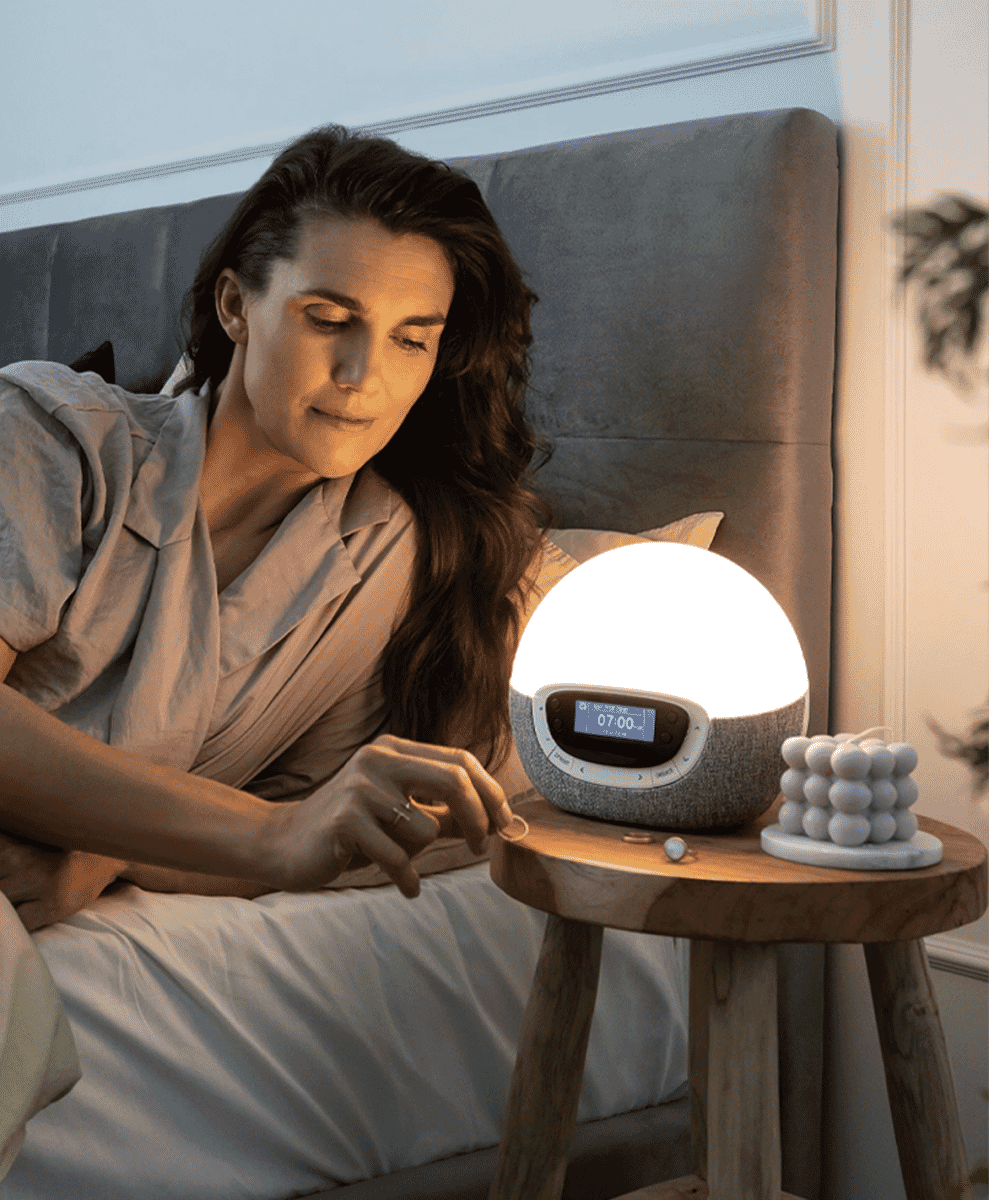
Waking up in total darkness is one of the hardest parts of winter. This is where high-lux technology meets high design. Modern sunrise clocks and SAD therapy lamps have moved away from clinical plastic boxes and into the realm of aesthetic wellness. By exposing yourself to 10,000 lux for 30 minutes each morning, you reset your internal circadian clock. When these tools are integrated into your nightstand aesthetic, the ritual feels like self-care rather than a medical treatment.
7. Professional Finishing: Consistency Over Brightness
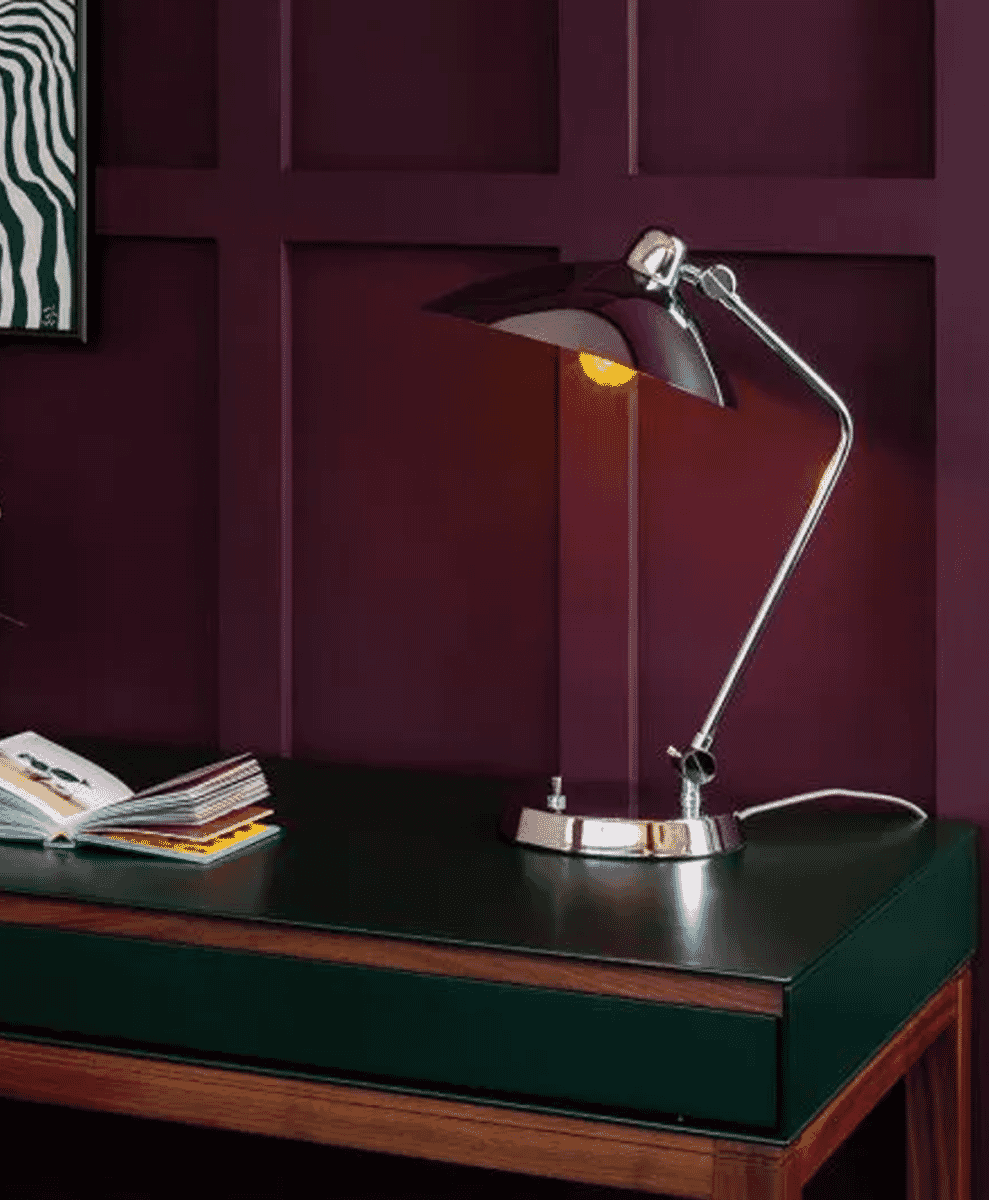
The "Golden Rule" of professional editing for interiors is consistency. You can have the most beautiful amber lamp, but if your desk lamp is a cold-white LED, the spell is broken. Ensure all your secondary light sources—from task lamps to sconces—share a consistent color temperature. Treat your functional lighting as temporary tools that should blend into the larger design scheme, maintaining a cohesive, warm atmosphere that keeps the winter chill at bay.
Conclusion: Your Luminous Sanctuary
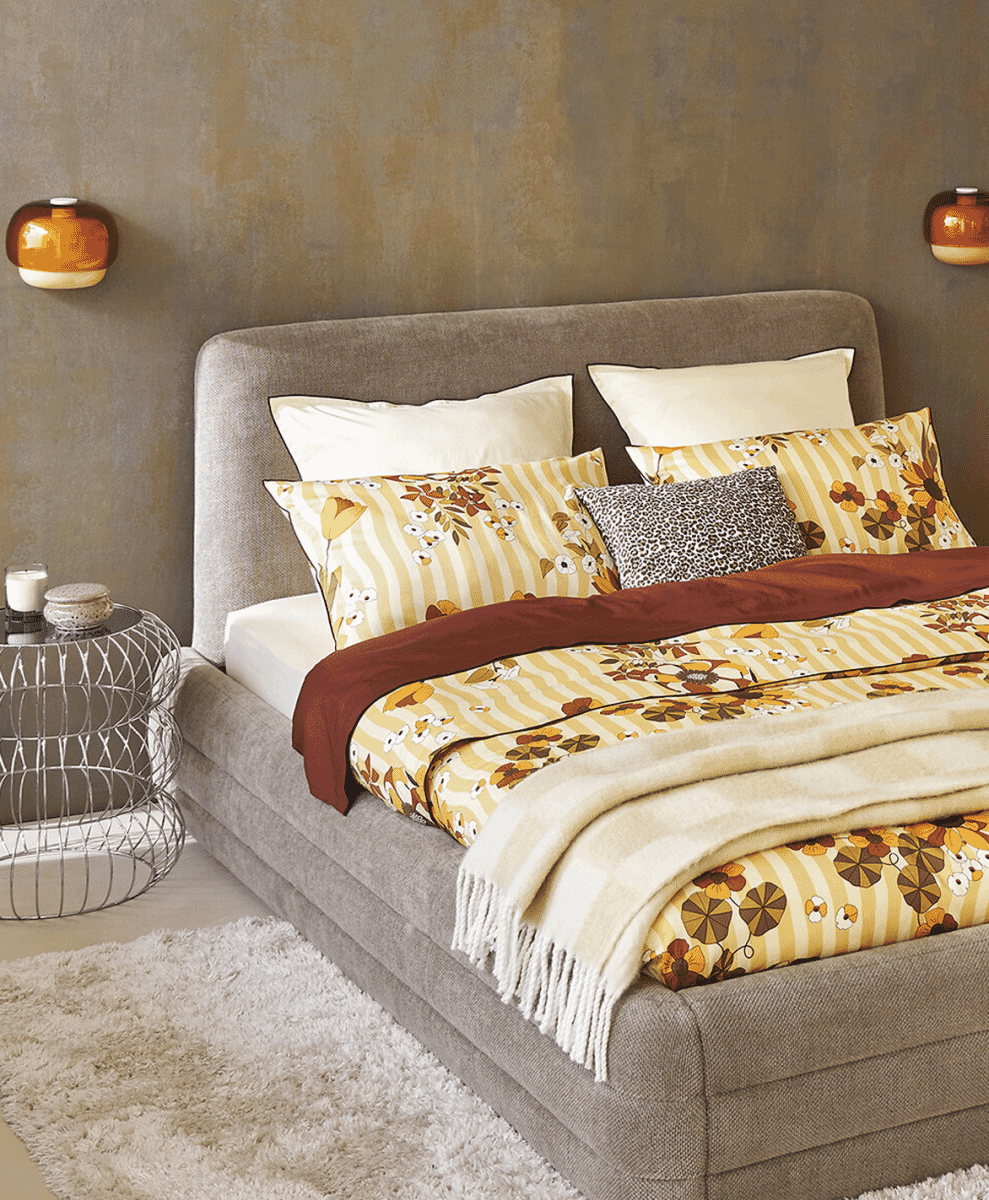
Ultimately, lighting is the quietest but most powerful force in interior design. By moving away from "brightness" and toward "glow," you create a home that doesn't just look better, but makes you feel better. This winter, let your home be the light at the end of the tunnel.