When the world of blue-chip car collecting hits a head-on collision with streetwear royalty, the result is rarely this harmonious. Sean Wotherspoon has officially disrupted the purist narrative, turning one of the most coveted silhouettes in automotive history into a tactile, multi-colored manifesto for the next generation of enthusiasts.
The Harlequin Rebirth: A Million-Pound Canvas
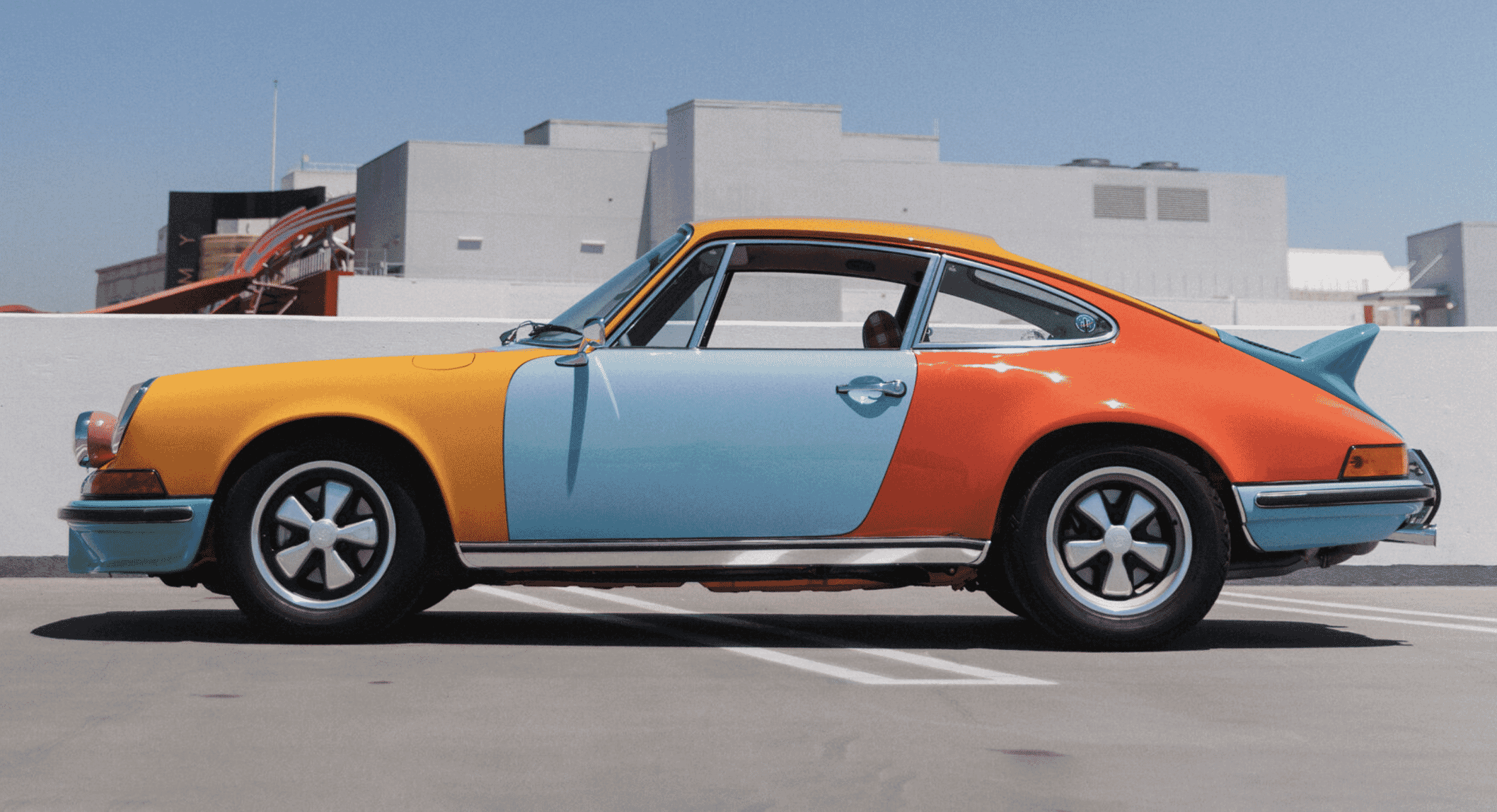
The 1973 Porsche 911 Carrera RS is a "holy grail" machine, usually reserved for temperature-controlled garages and silent auctions. But Sean Wotherspoon—the visionary who gave us the corduroy Air Max 1/97—has never been one to follow the rules of the elite. Inspired by the cult-classic Volkswagen Golf Harlequin of the 1990s, this build drapes a million-pound chassis in a high-saturation patchwork of orange, teal, yellow, and pink. It’s a bold "high-low" move, taking a masterpiece of German engineering and treating it with the same playful irreverence as a thrift-store find. For those of us who grew up on sneaker drops and street art, this isn't just a car; it’s a moving mural.
Interior Alchemy: Vintage Levi’s & 70s Flannels
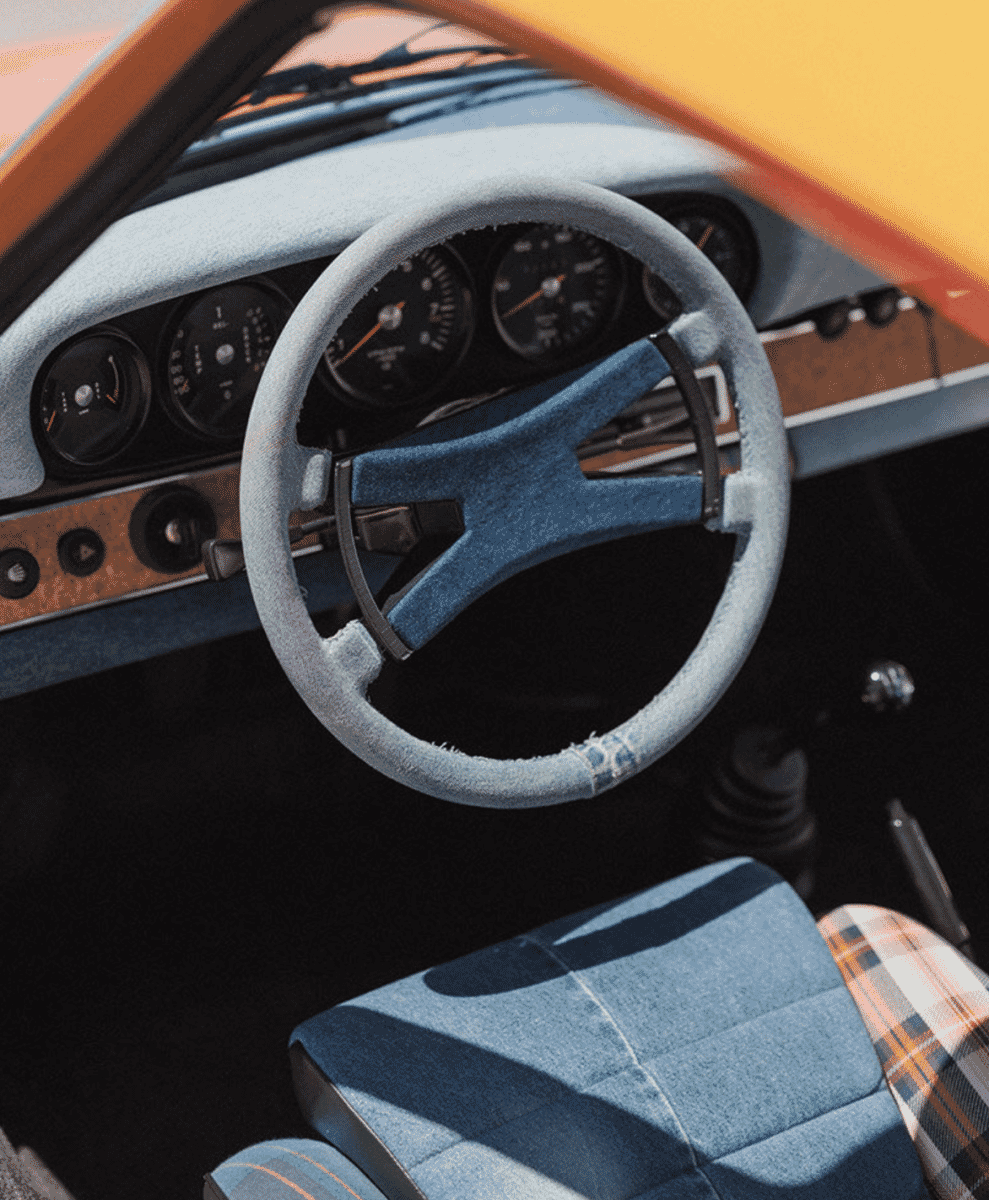
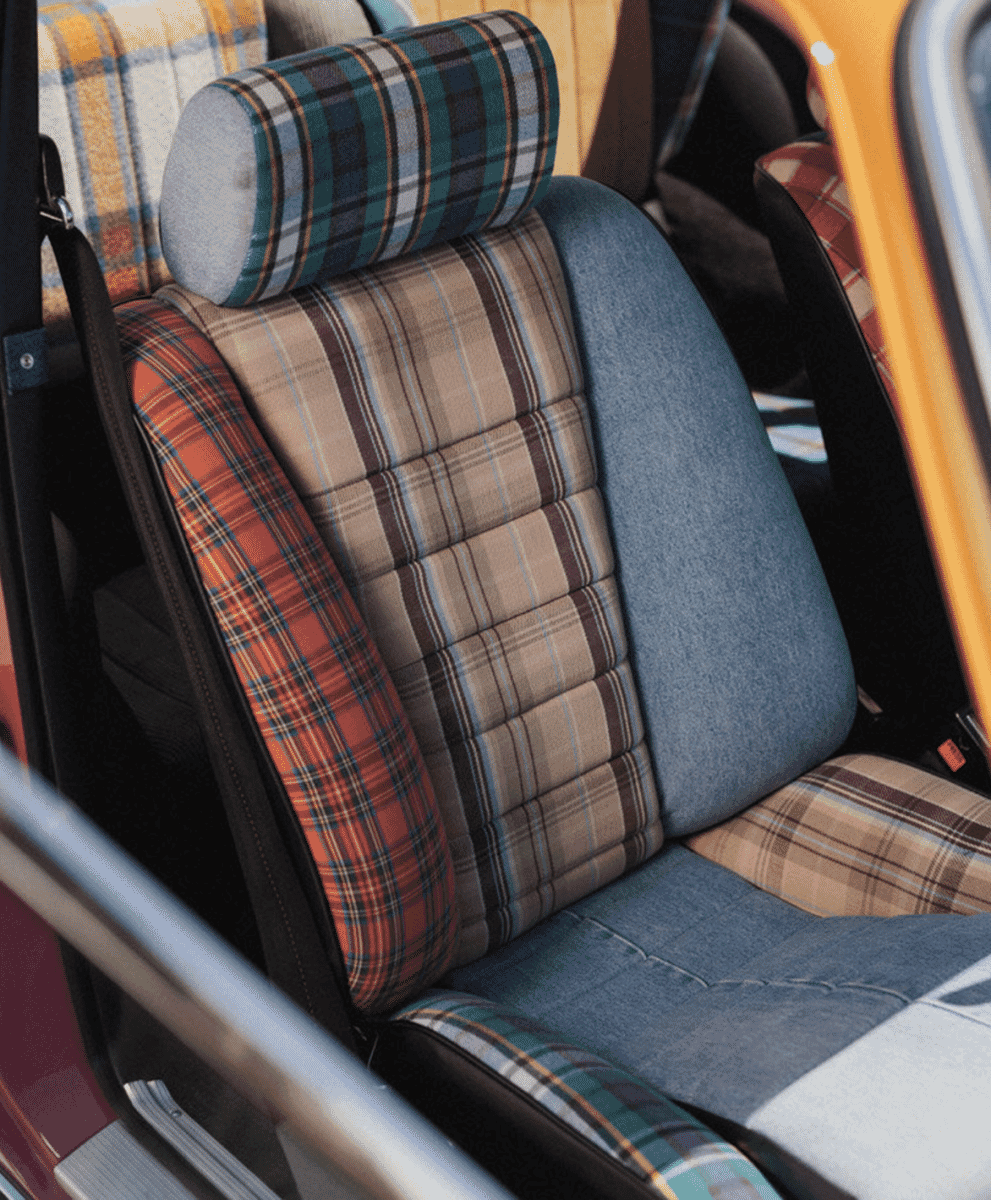
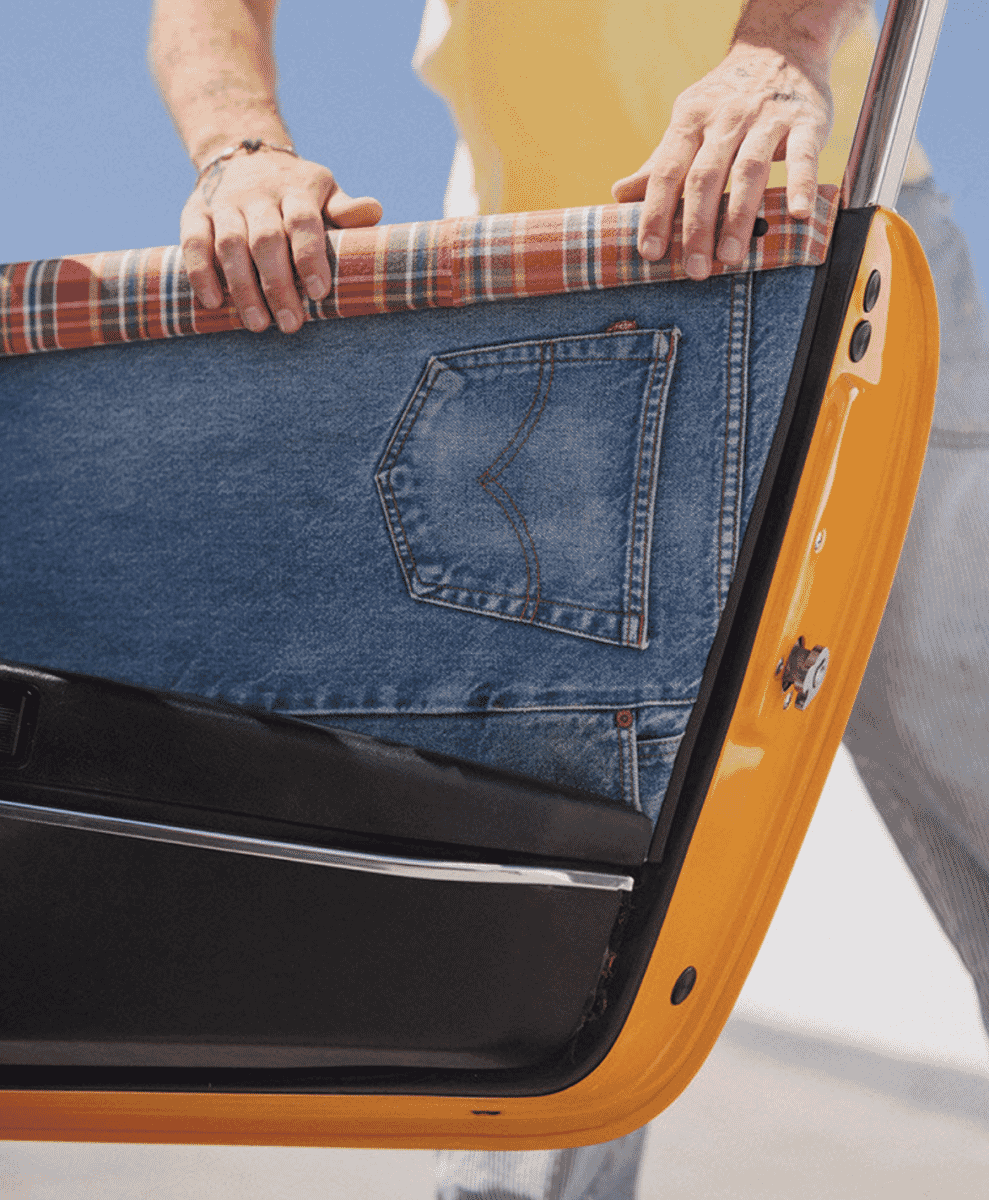
Step inside, and the "automotive masterpiece" vibes give way to an intimate, tactile experience that feels like stepping into your favorite vintage boutique. Wotherspoon has replaced sterile luxury leather with a soul-stirring mix of vintage Levi’s denim and heavy-duty flannels sourced from the 60s through the 90s. The steering wheel is wrapped in denim that will patina and fade with every mile you drive, much like a pair of raw selvedge jeans. My favorite detail? The functional denim pockets integrated directly into the door cards—a genius nod to workwear utility. It’s a masterclass in texture-blocking, proving that sustainability and "thrift-store" materials have a place in the upper echelons of luxury design.
The Streetwear Signature: Corduroy and Patchwork
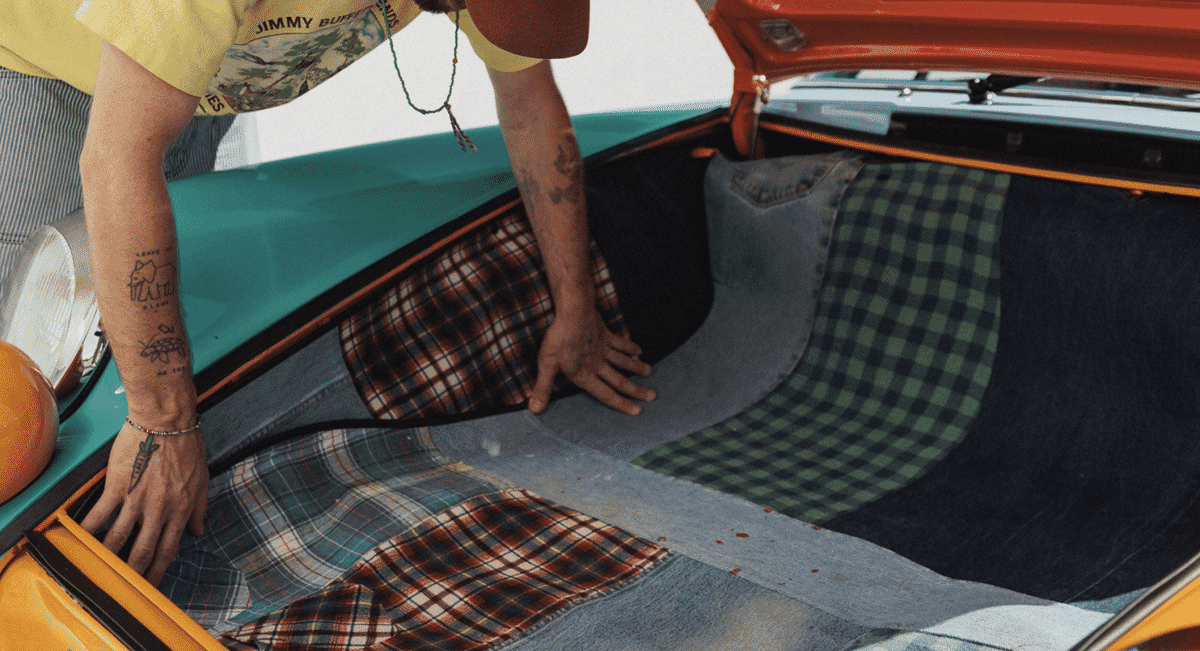
No Wotherspoon project would be complete without his signature corduroy. Pop the "frunk" (front trunk) and you’re met with a breathtaking display of patchwork craftsmanship. The lining is a meticulous collage of plaid and corduroy, executed with zero-flaw precision by the legendary Meyers Manx team. This is where the DIY aesthetic of streetwear meets the obsessive quality control of a supercar build. For the streetwear-obsessed reader, this patchwork is the ultimate Easter egg—a visual bridge between the shoes on your feet and the engine in the back. It’s these hidden details that elevate the car from a "paint job" to a fully realized piece of contemporary art.
Sustainable Luxury: The Cork Dashboard Heritage
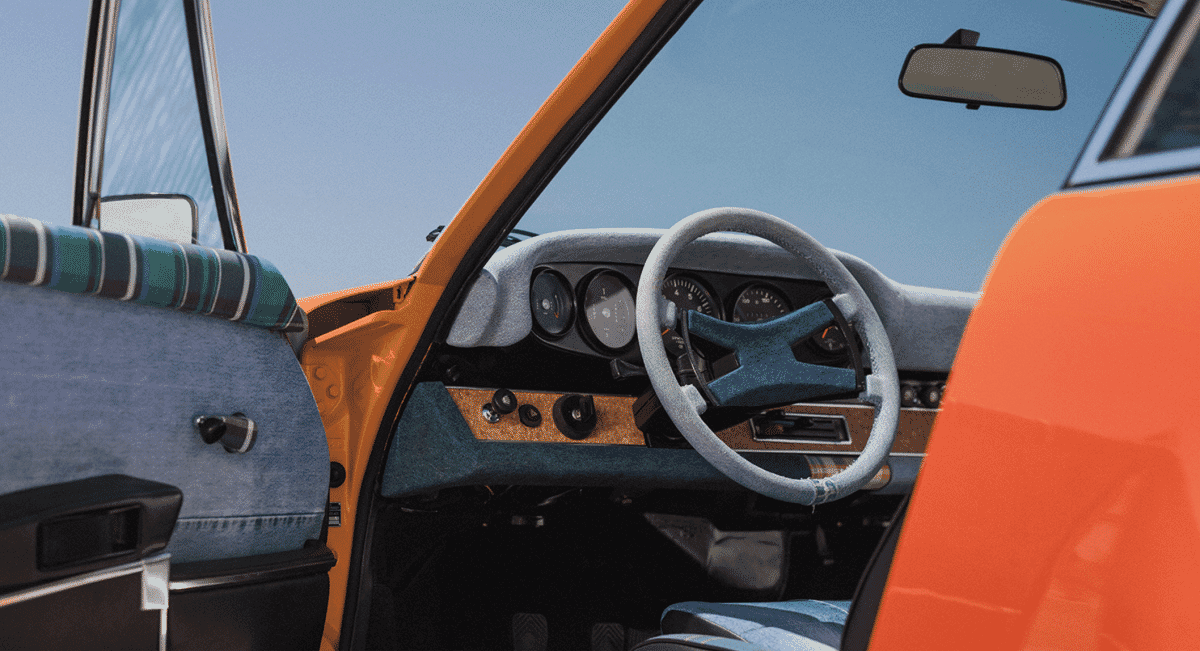
Beyond the loud colors, there is a sophisticated nod to heritage and sustainability. The dashboard features repurposed cork—a material Sean previously championed in his Porsche Taycan project—blending perfectly with the retro 70s gauges. The grainy, organic feel of the cork offers a grounded contrast to the neon exterior, reminding us that true luxury can be eco-conscious. It’s a vibe that feels very "New Porsche"—respecting the 1973 roots while integrating modern tech and responsible material sourcing. You aren't just looking at a dashboard; you're looking at the future of custom interiors.
Tokyo Bound: The Ultimate Living Archive
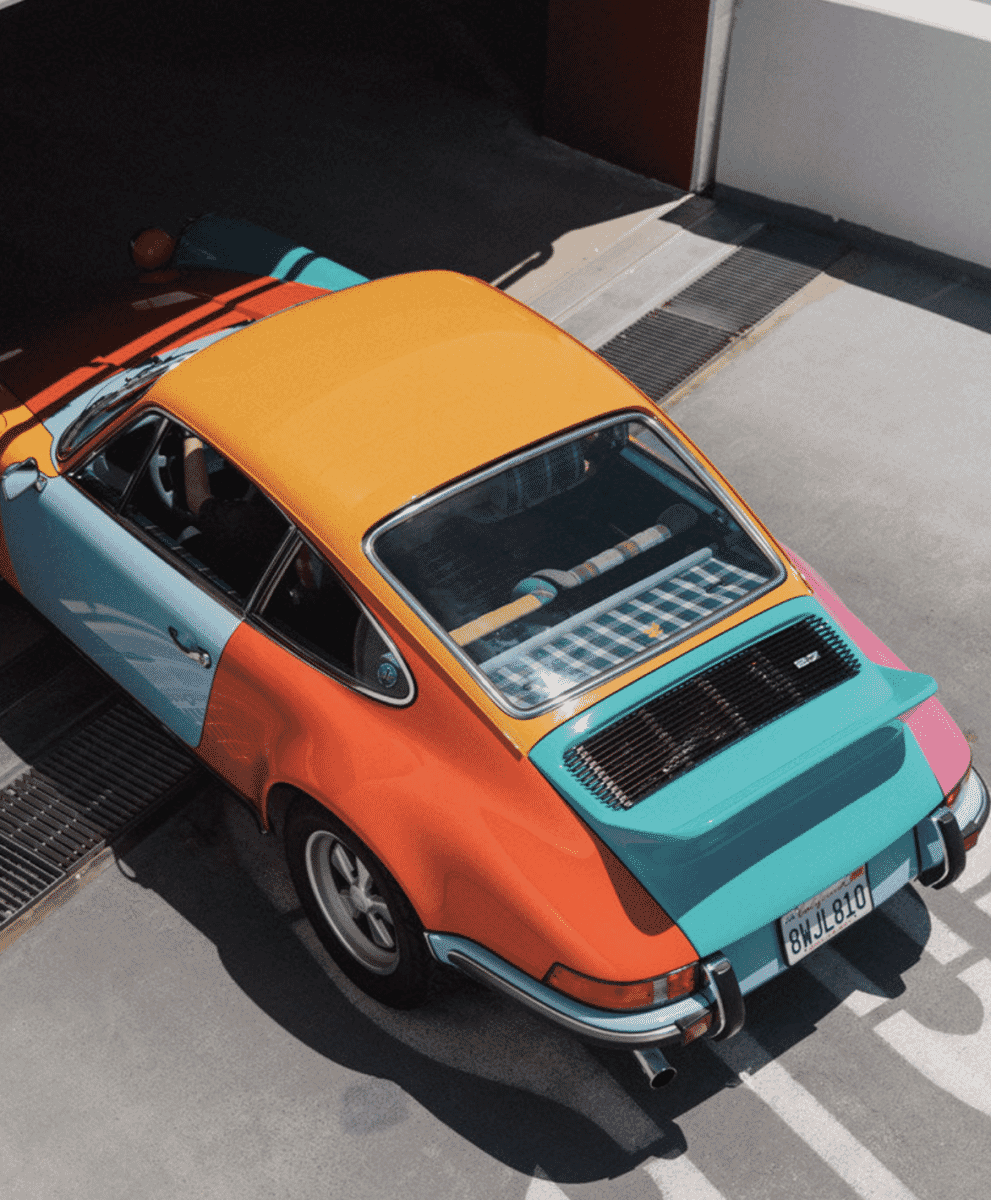
Currently owned by Philip Sarofim and part of the world-renowned Trousdale collection, this Harlequin 911 is more than a museum piece—it’s a global traveler. After turning heads at the Petersen Museum, this vibrant intersection of automotive and fashion history is officially Tokyo bound. It is set to be a headline showcase at the Tokyo Auto Salon from January 9-11, 2026. Whether you’re a fan of air-cooled flat-sixes or limited-edition corduroy kicks, this car represents the ultimate cultural crossover. It invites you to reimagine what a "classic" can be: not a static relic, but a living, breathing archive of youth culture.
This project proves that when you stop treating cars like untouchable icons and start treating them like a canvas, you find the soul of the machine.