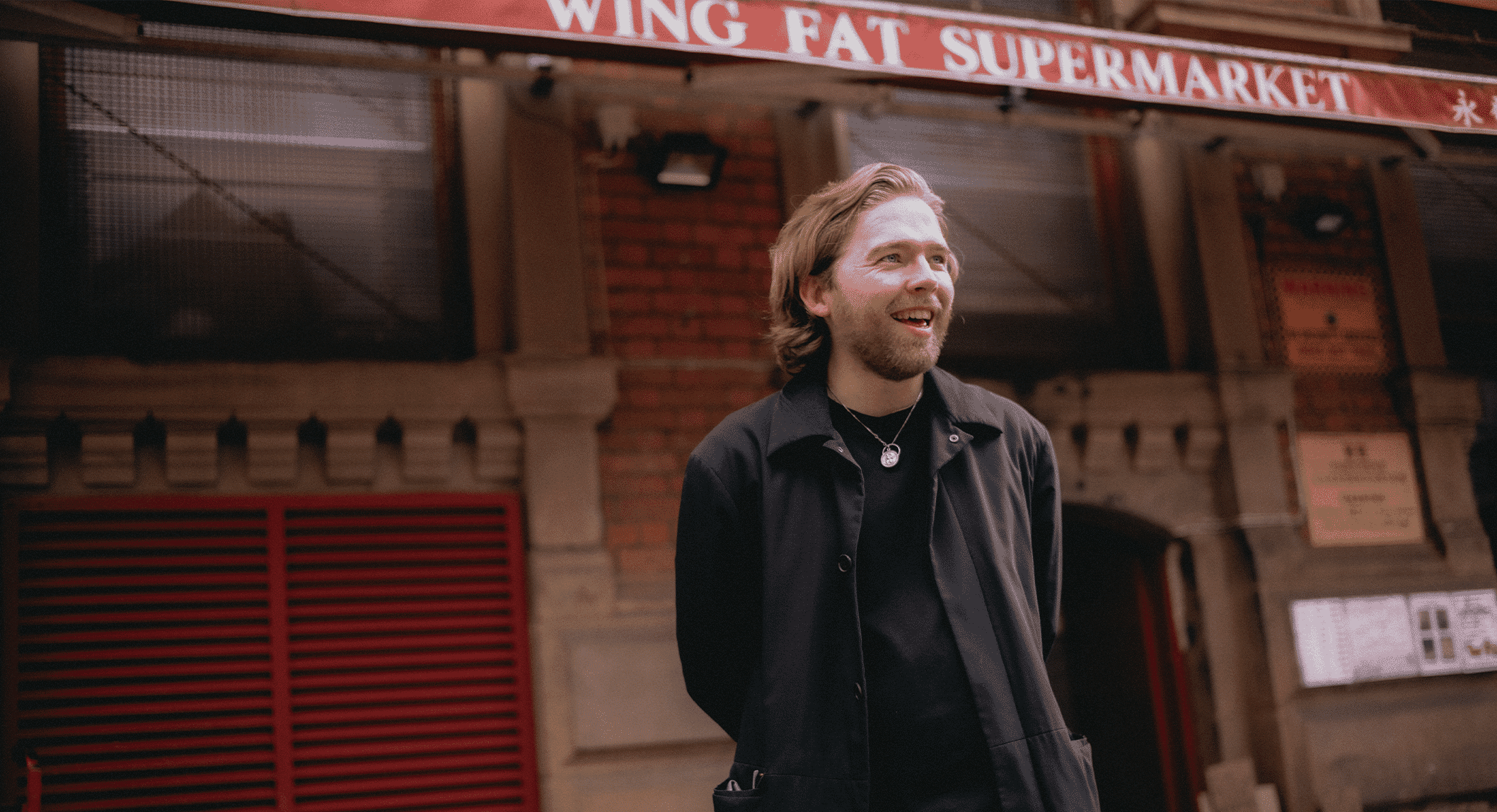
In the world of sustainable fashion, few garments hold as much cultural and environmental weight as the Patagonia fleece. It is more than just a layer; it’s a manifesto of durability and a testament to a man who decided that "business as usual" was the greatest threat to our planet.
Introduction: The Man Who Blacksmith-Forged a Revolution

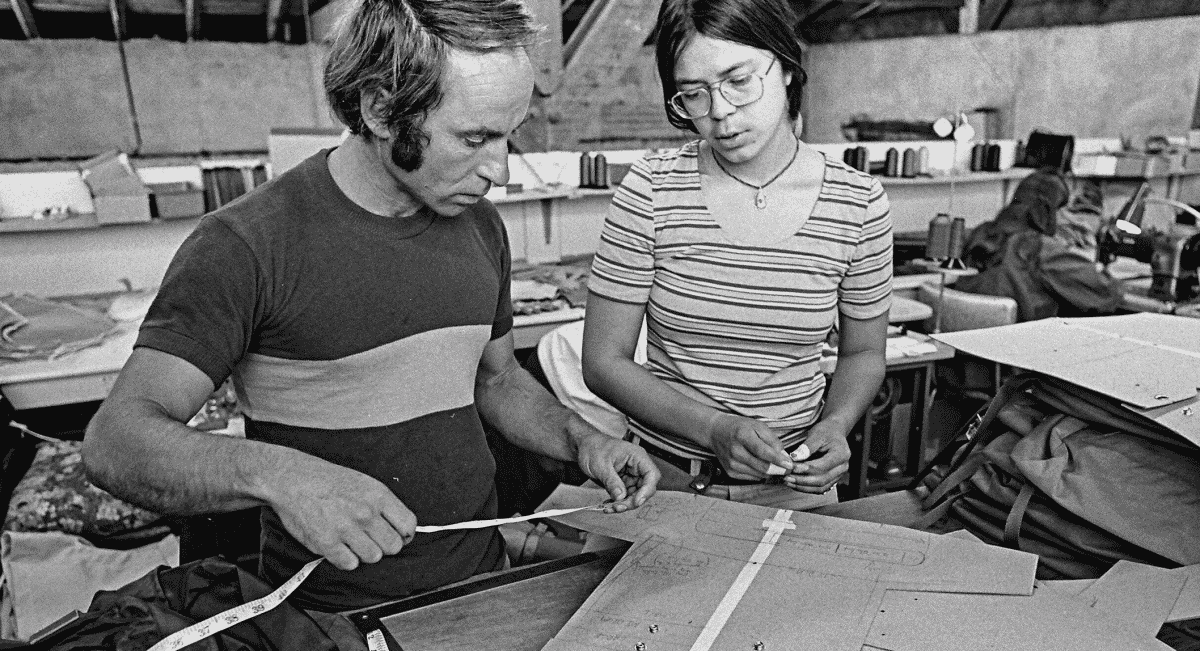
Before Patagonia became a global symbol of conscious consumption, it was born from the grit of a blacksmith’s forge. Yvon Chouinard didn’t set out to build a fashion empire; he wanted tools that didn't break and gear that didn't destroy the mountains he loved. This humble, rustic beginning—captured in the image of a man at a wooden desk—defines the brand’s soul. Chouinard’s philosophy, "Earth is our only shareholder," isn't a marketing slogan; it’s a radical business model. For you, the conscious consumer, this means every stitch in your fleece is backed by a commitment to the wild. The transition from forging pitons to redefining outdoor apparel was seamless because the core value remained the same: functional simplicity.
The Birth of Synchilla: From Toilet Seats to Technical Fabric
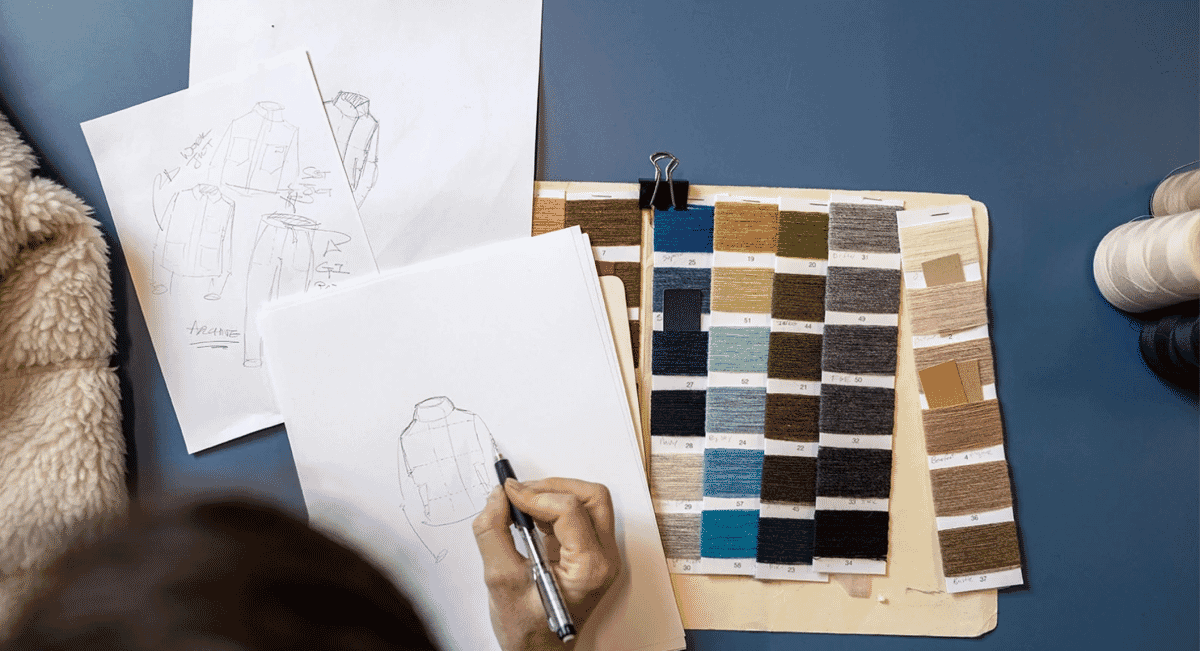
In the 1970s, the outdoor world was heavy, itchy, and damp. Traditional wool was the standard, but it absorbed water and weighed down the adventurer. The search for a lightweight alternative led Malinda Chouinard to a surprising discovery: polyester pile fabric often used for toilet seat covers. It was soft, insulating, and didn't hold moisture. Through hands-on experimentation in the Patagonia workshop—captured here in vintage sketches and technical notes—the team collaborated with Malden Mills (now Polartec) to refine this "toilet seat" fabric. The result was Synchilla in 1985—a revolution in moisture-wicking technology that offered warmth without the weight, effectively launching the fleece movement we know today.
The Design Philosophy: Functional Aesthetics
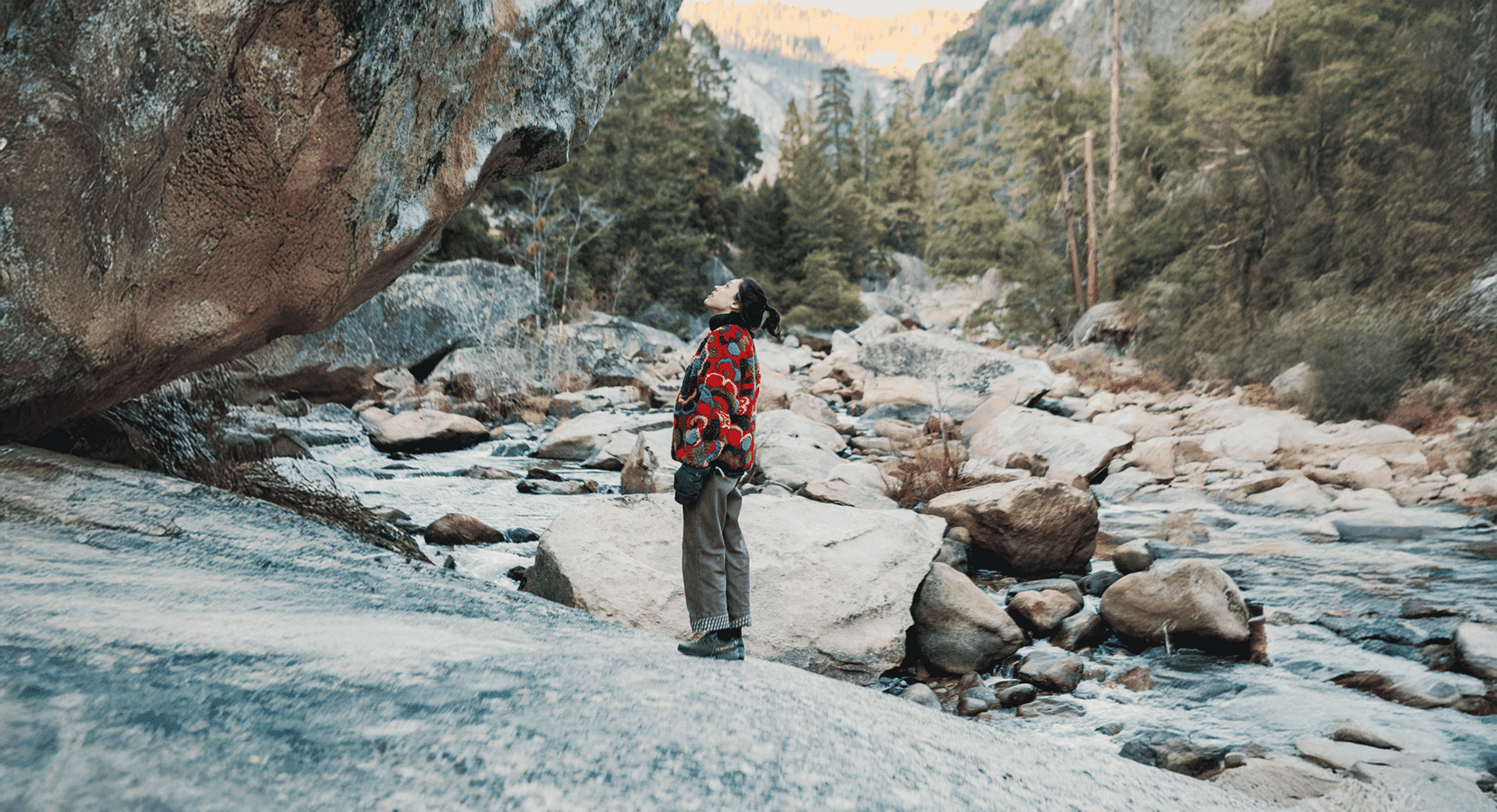
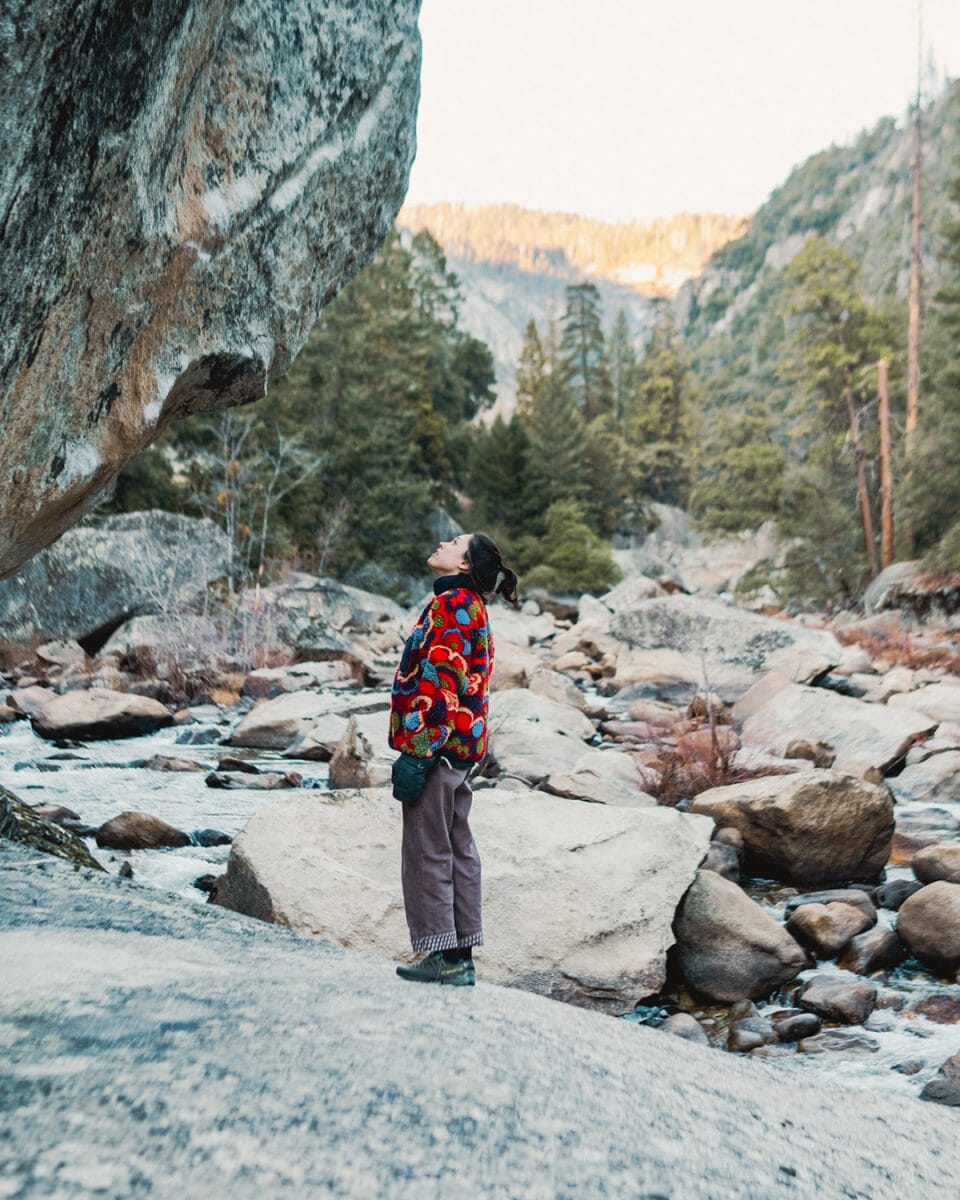
The "Clean Climbing" movement of the 1970s wasn't just about ethics; it dictated a new aesthetic. As climbers moved away from damaging the rock, they also moved away from restrictive, traditional attire. Patagonia embraced a palette that felt as vibrant and alive as the landscapes themselves. These lifestyle captures show a perfect harmony between rugged utility and visual strikingness. The focus shifted to versatile, lightweight layers that could handle a mountain stream or a rocky peak with equal ease. This era solidified the idea that high-performance gear could possess a distinct, colorful personality—a "functional aesthetic" that allows you to transition from a morning hike to a casual urban setting without losing your stylistic edge.
The Iconic Retro-X: The Windproof Standard
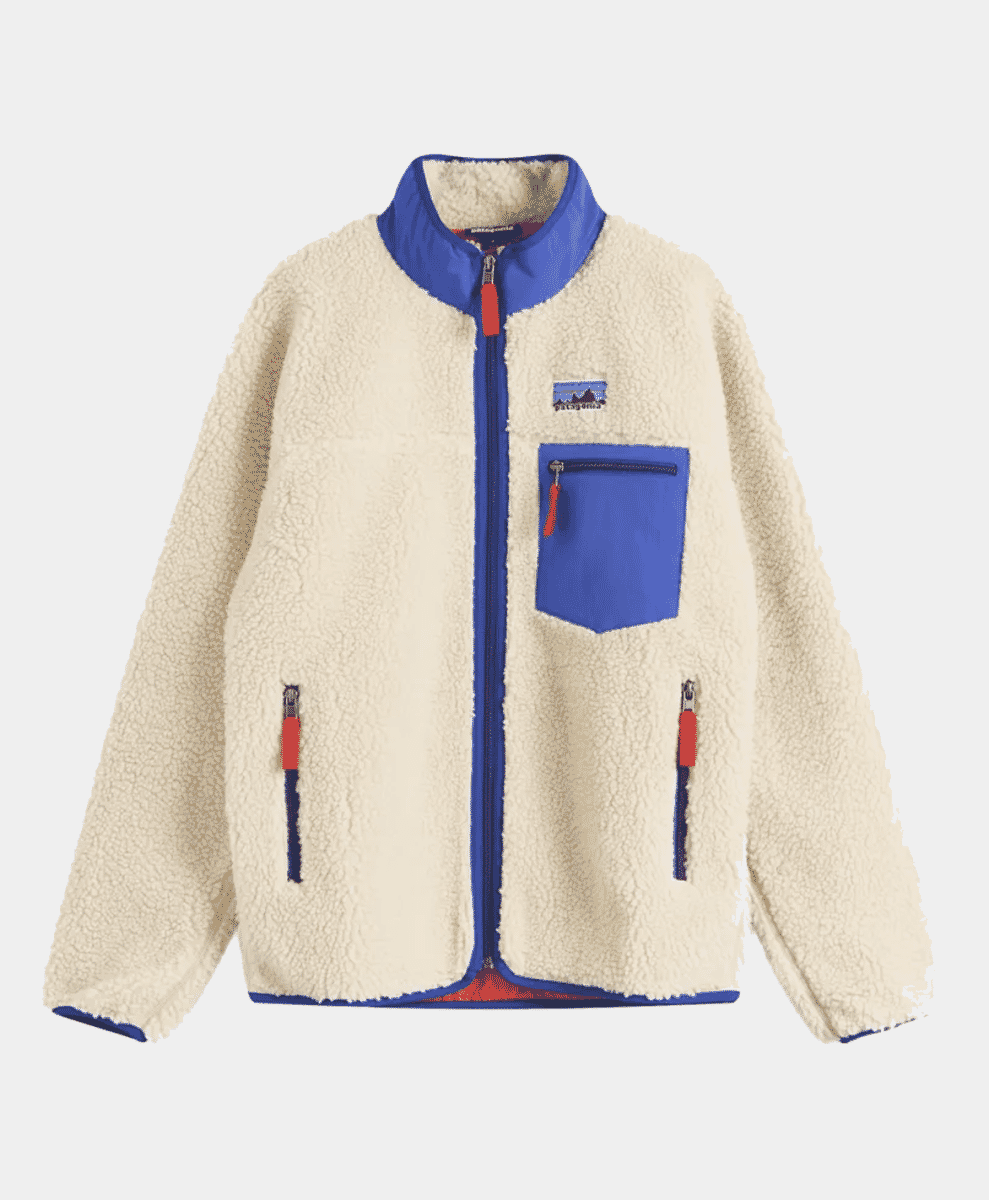
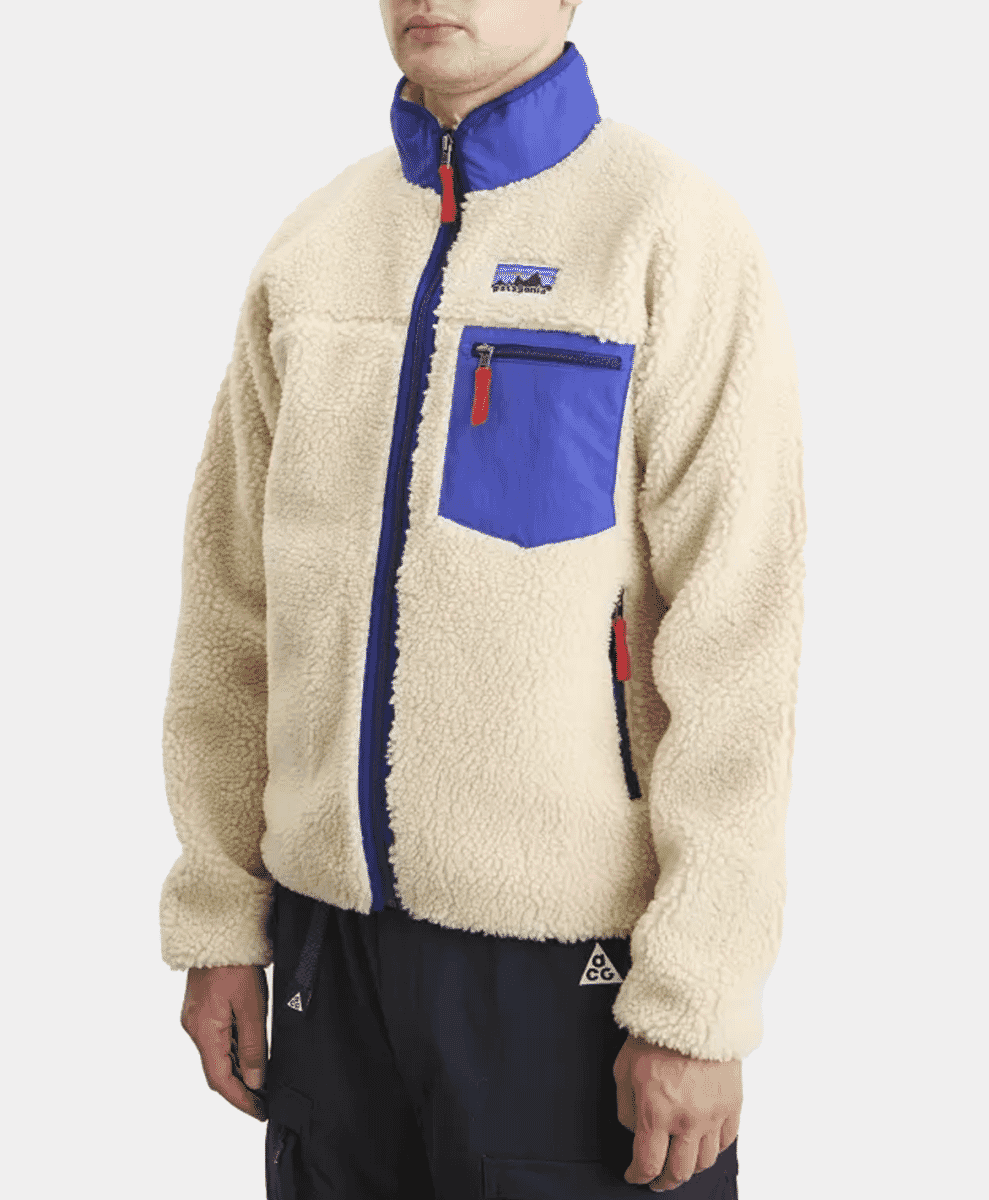
If there is a "grail" of the fleece world, it is the Retro-X. Introduced in 1993, it solved the one weakness of standard fleece: the wind. By bonding a windproof barrier between a thick, high-pile exterior and a moisture-wicking lining, Patagonia created a fortress of warmth. Note the distinctive design details in these studio shots—the 'Pelican' cream body contrasted with the sharp blue chest pocket and red zipper accents. This specific pocket design wasn't just for style; it was strategically placed for easy access while wearing a climbing harness or backpack. Today, it stands as a masterclass in heritage design, blending 90s nostalgia with a silhouette that remains a cornerstone of the circular economy.
The Retro Pile: Embracing Shearling Softness
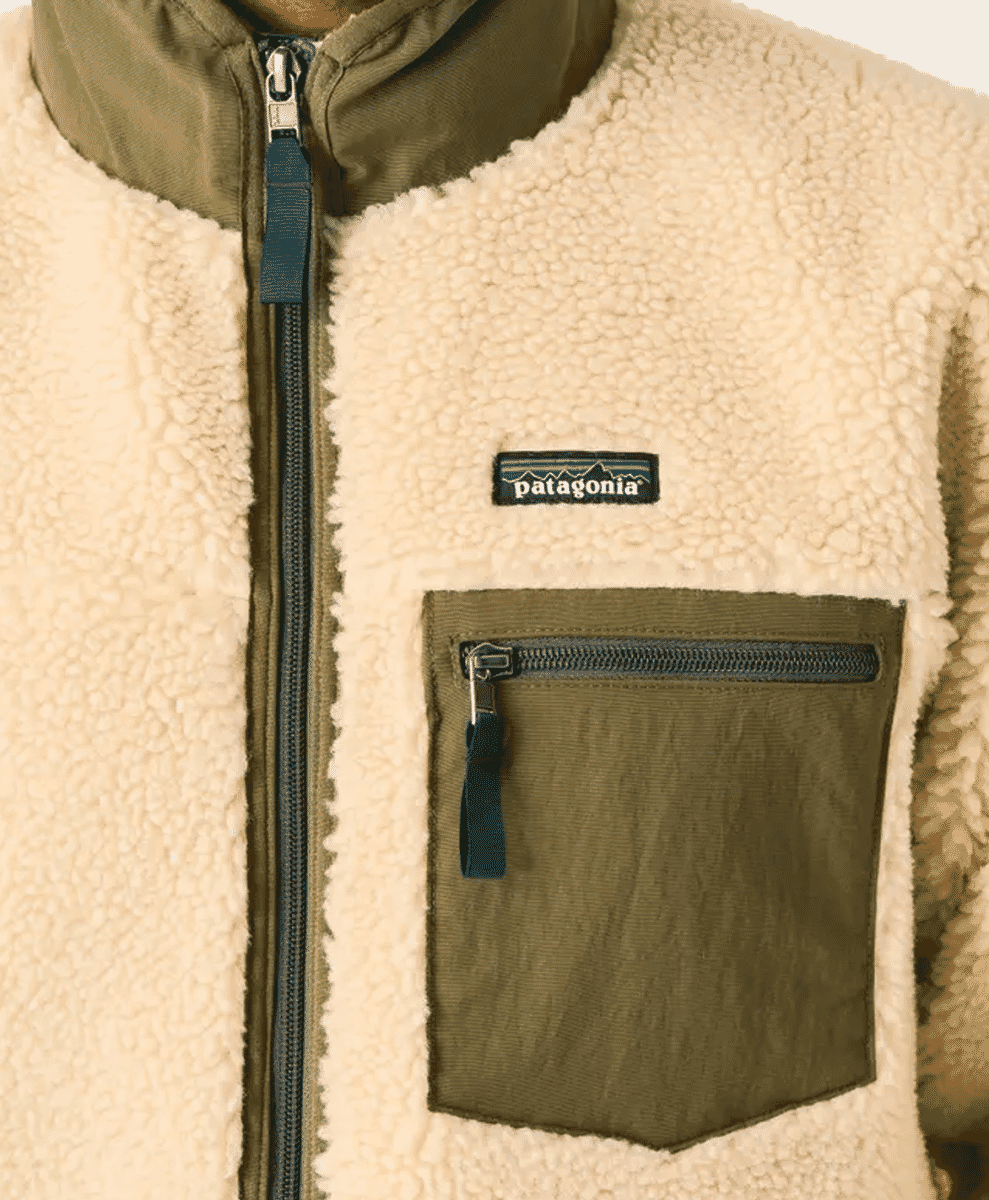
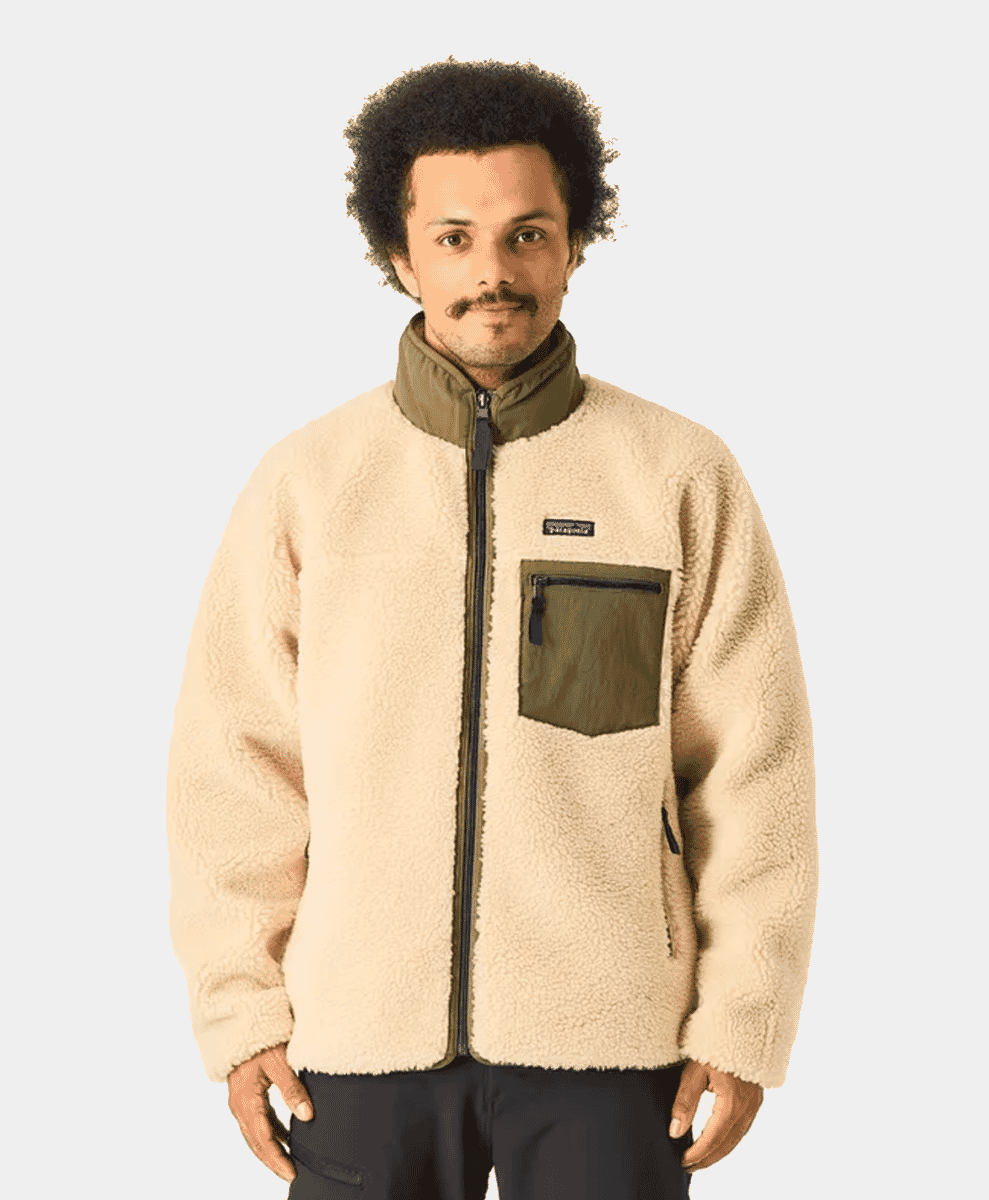
While the Retro-X is a technical shield, the Retro Pile is an embrace. A tribute to the very first experiments with pile fabric, this model focuses on the luxurious softness of double-sided shearling. It’s designed for the moments between the action—campside mornings, sunset walks, or crisp city winters. The olive green accents and earthy tones reflect a deep connection to nature. For the conscious wardrobe, the Retro Pile is a timeless investment; it offers immense warmth and a classic "fuzzy" texture that actually improves with age and wear. It’s a piece that prioritizes comfort without sacrificing the rugged durability that Chouinard first forged in his shop.
Technical Momentum: The R1 Air Zigzag
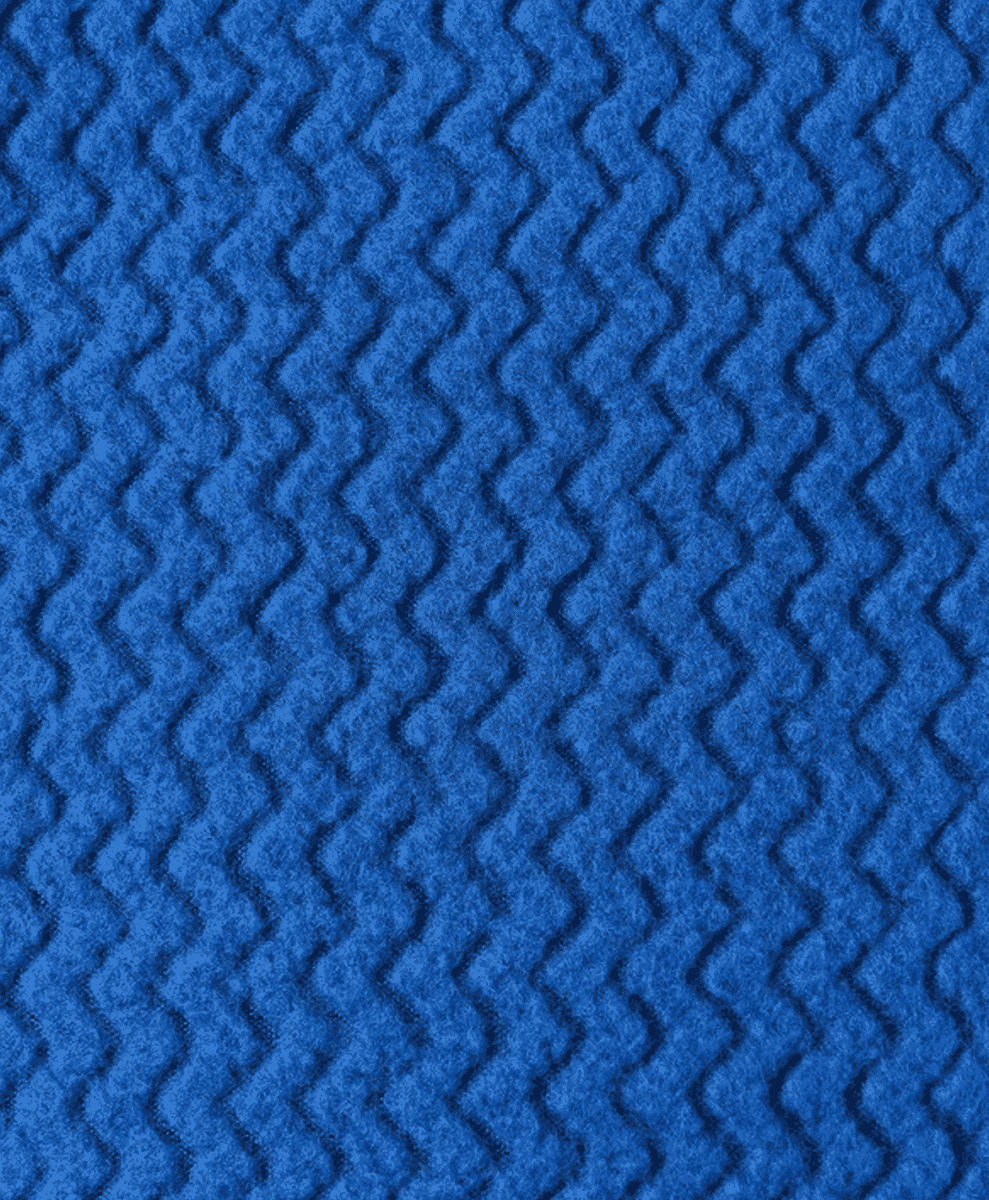
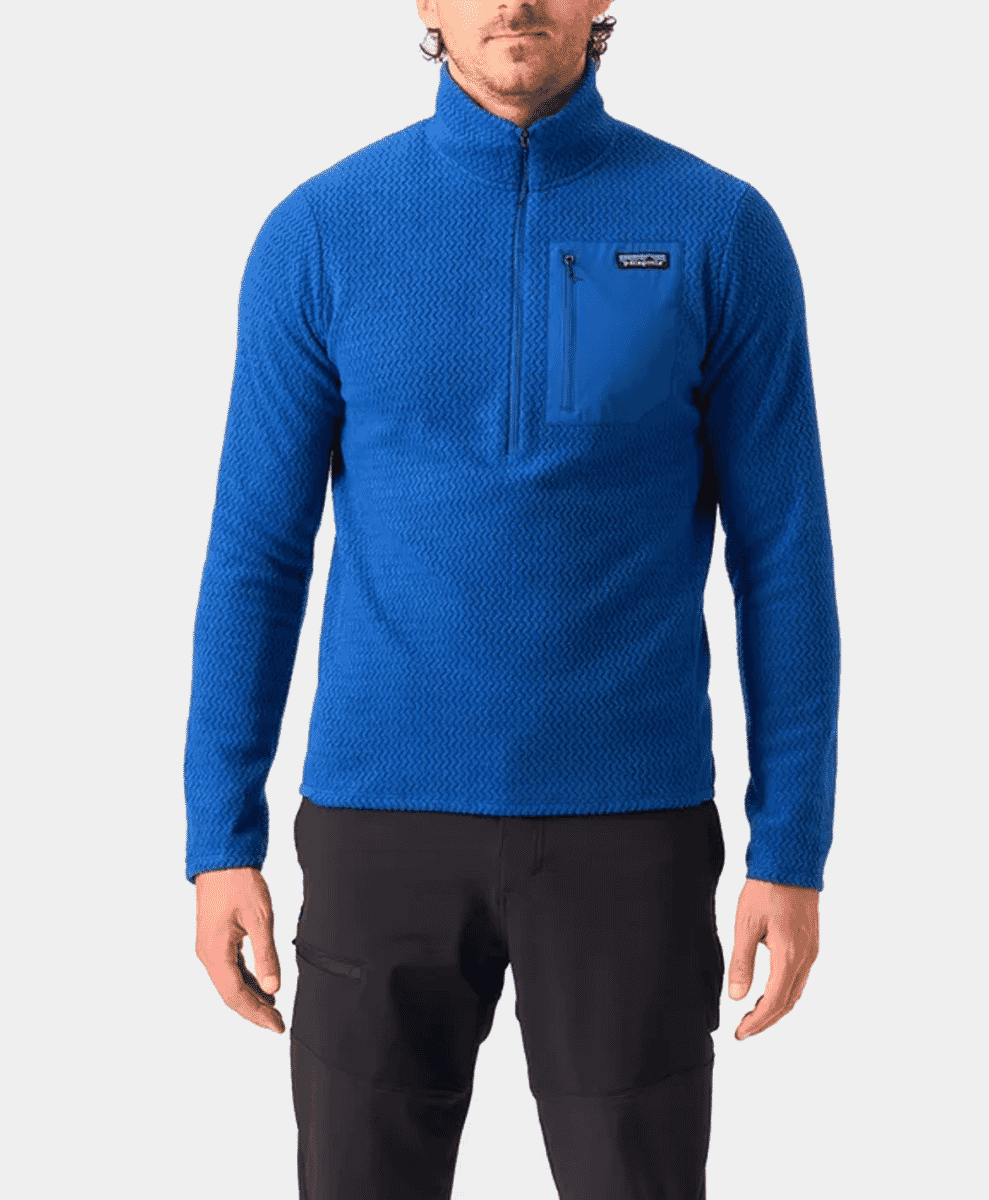
Patagonia’s innovation didn't stop in the 90s. The R1 Air represents the cutting edge of modern technical fleece. The "zigzag" texture you see here is a marvel of textile engineering. Made with 100% recycled polyester, the hollow-core yarns are woven in a unique pattern that traps heat when you’re stationary but allows moisture and excess heat to escape rapidly when you’re moving. This is high-performance gear for "high-output" activities—climbing, trail running, or backcountry skiing. The Smolder Blue colorway and technical fit demonstrate how Patagonia continues to lead the industry by merging high-science fabric development with a commitment to reducing the fashion industry's carbon footprint.
A Legacy of Recirculation: Sustainability and Worn Wear
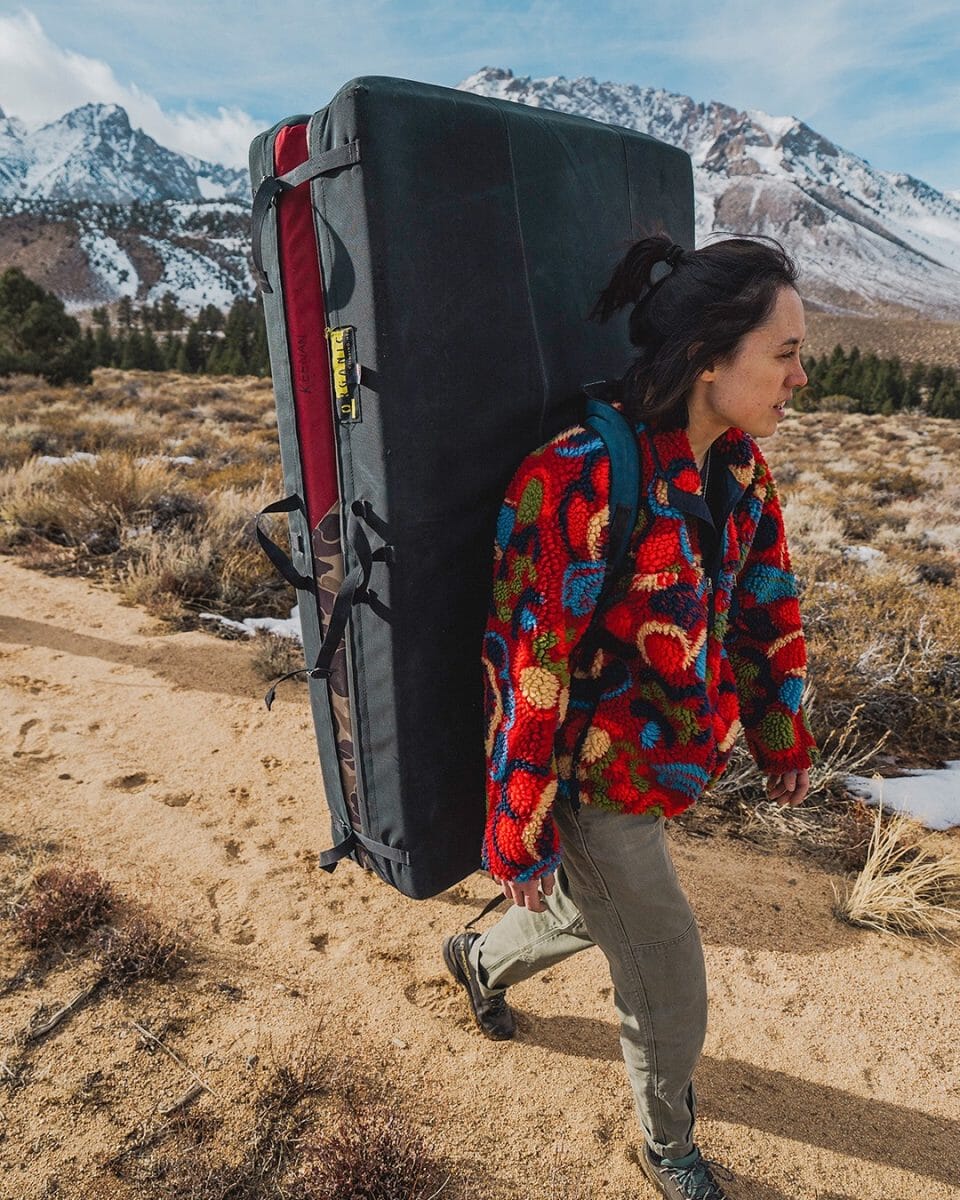
The true legacy of Patagonia fleece isn't just in its warmth; it’s in its footprint. In 1993, Patagonia became the first outdoor clothing manufacturer to transform trash into fleece, using recycled polyester from plastic soda bottles. Today, 100% of the Retro-X and Retro Pile styles are made from recycled materials. This final image of an adventurer in a snowy landscape serves as a reminder of what we are protecting. Through programs like "Worn Wear," Patagonia encourages you to repair, share, and recycle your gear rather than buying new. When you choose a Patagonia fleece, you aren't just buying a jacket—you are participating in a movement that proves style can, and must, coexist with the preservation of our wild places.
By choosing gear with history, you ensure a future for the very mountains that inspired its creation. Conscious fashion is no longer a compromise; it’s a commitment.